
The Drake Passage: World's Most Dangerous Ocean
The Drake Passage is the world's most rugged sea passage, stretching from the tip of South America to the farthest coast of Antarctica. It is a legend,…
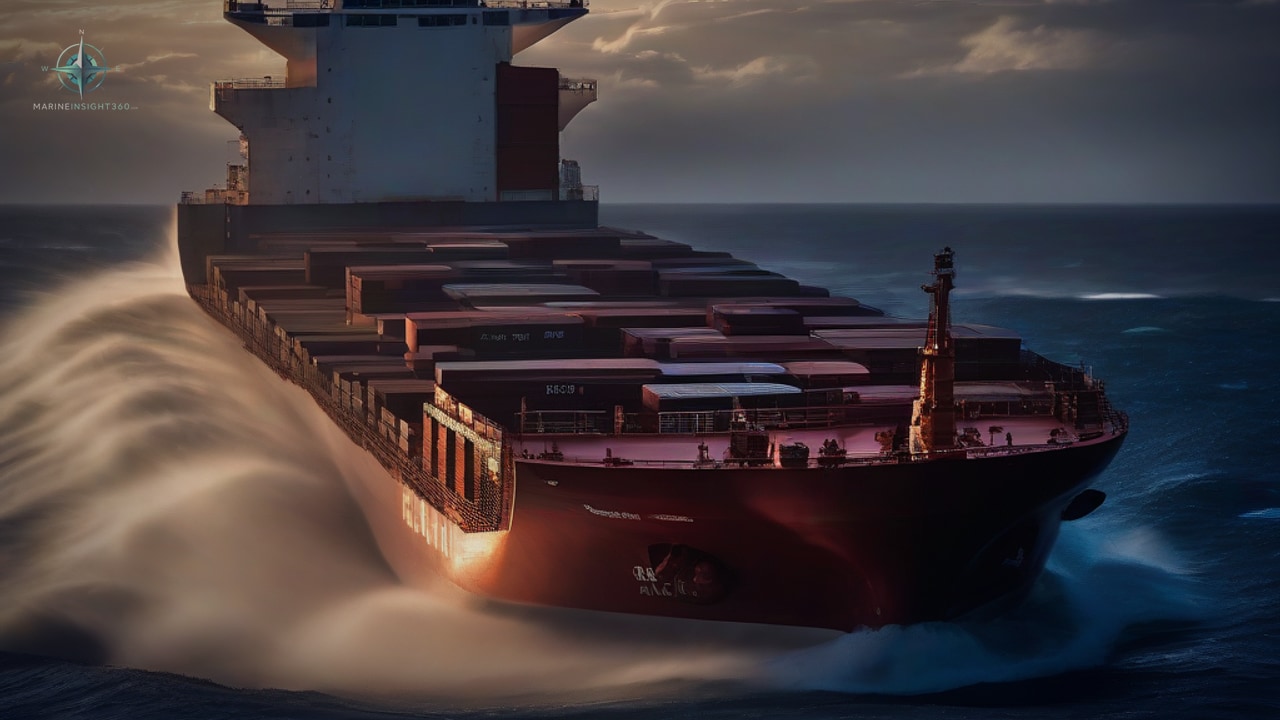
Drake Passage: The World's Most Dangerous Ocean
The Drake Passage, the water between Cape Horn at the southern tip of South America and the South Shetland Islands off the Antarctic Peninsula, has a reputation as the world's most rugged sea crossing. It gets so rough because the Antarctic Circumpolar Current flows round the whole planet with no land to slow it and squeezes through this gap, about 800 kilometres wide, while strong westerly winds blow most of the year. Some Antarctic cruise passengers dread it and others look forward to it: on an ice-strengthened expedition ship, riding the big Drake swells is part of the trip.
History of the Drake Passage
In Spanish the passage is called the Mar de Hoces, after the Spanish navigator Francisco de Hoces. In 1525 his ship was blown south of the Strait of Magellan, and he reported seeing what looked like the end of the continent. About fifty years later, in 1578, Francis Drake came through the Strait of Magellan into the Pacific and was hit by storms that drove his ships far to the south. He lost one ship and the others were scattered.
Being pushed south showed Drake that open sea lay below Tierra del Fuego and that the Atlantic and Pacific met there. He became a hero of English expansion, and the passage took his name in English. The Spanish saw him as a pirate (he did make a habit of seizing their treasure ships), which is why most Spanish sources still use the older name, Mar de Hoces.
What is the Drake Passage: The Mightiest Confluence of Oceans
So where exactly is it, and why does it get so much attention? About 800 kilometres wide at its narrowest, between Cape Horn and the South Shetlands, the Drake Passage is where the Atlantic, Pacific and Southern Oceans meet. The currents there can make you regret that second helping of pasta at dinner, and the Drake has little in common with busy, sheltered trade waters like the South China Sea. Almost every Antarctic cruise has to cross it, although there are alternatives: you can fly to Antarctica from South America, or sail to East Antarctica from New Zealand or Australia.
Why is the Drake Passage so dangerous?
The Drake Passage is notorious because the Antarctic Circumpolar Current flows round the whole planet here without any land to slow it down, and it squeezes through this gap. Add the strong westerly winds that blow most of the year and the crossing can get lively.
Modern expedition ships have stabilisers that take out much of the roll, and most passengers manage with seasickness tablets and a few dry biscuits. Even when the ship is moving a lot, you are safe. The captain and crew have crossed many times, and the ship is built for these waters.
The passage is unpredictable, and sometimes it is surprisingly calm. Crew call the rough version the "Drake Shake" and the flat version the "Drake Lake," and either way the crossing tends to be a memorable part of an Antarctic trip. You also have a good chance of seeing wildlife on the way, including hourglass dolphins, humpback whales and albatrosses.
When you board an Antarctica-bound ship, one of the first things the crew will tell you is to have seasickness pills ready. The Drake is the only part of the voyage likely to give passengers trouble (or excitement, depending on your stomach). Once you reach the Antarctic Peninsula, the waters between the islands are sheltered and the sailing is usually smooth.
On some ships the expedition staff will put on Michael Jackson's "Rock With You" for the small group of hardy guests who gather on the observation deck to cheer every big wave. If you are an experienced traveller who thinks you have seen it all, the Drake belongs on your list.
Spare a thought, too, for the crews of ships too big for the Panama Canal. When their routes take them round Cape Horn, they have to make the passage as part of the job. Since the canal opened and air travel took over, few people get to make this crossing at all.
On an Antarctic cruise you make it twice, once each way.
How to Manage Seasickness on the Drake Passage?
If you get motion sickness, it doesn't have to stop you from going to Antarctica. A few things help.
If you are prone to nausea, ask your doctor or pharmacist before the trip about medication. Most seasickness tablets work best if you take them before you feel ill, so consider starting them while the ship is still in the Beagle Channel.
Drink plenty of water, go easy on alcohol, and stick to light, plain food.
Fresh air makes a big difference. Go out on deck if you can and breathe the cold air.
Watching the horizon helps when you start to feel queasy, and ginger can settle an upset stomach.
If it gets bad, every expedition ship carries a doctor who has treated plenty of seasick passengers.
What to Do on a Drake Passage Cruise to Antarctica?
The crossing from Ushuaia to Antarctica takes about two days. Most people spend it getting to know the other passengers and going to lectures on Antarctic safety, history, geology and wildlife. Before landing you will have to clean your outer clothing and boots so you don't carry seeds or soil ashore, and you will get a list of rules for visiting. In between, there is good food, wine and plenty of hot chocolate.
The Drake is also good for birdwatching. Albatrosses and other seabirds often follow the ship for hours.
The slow, sometimes uncomfortable journey across the Drake has its own appeal. Once the ship leaves Ushuaia, you leave ordinary life behind and head for the wildest place most people will ever see.
The excitement builds through the crossing: the first dolphins, maybe the first whale, then the first iceberg and finally the first sight of land. If you fly over the Drake instead, you miss all of that.
Frequently asked questions
Why is the Drake Passage so dangerous?
The Antarctic Circumpolar Current flows round the planet with no land to slow it and is squeezed through the Drake Passage, and strong westerly winds blow there most of the year. Together they build big swells and an unpredictable sea.
Where is the Drake Passage?
It lies between Cape Horn at the southern tip of South America and the South Shetland Islands and the Antarctic Peninsula. At its narrowest it is about 800 kilometres wide, and it is where the Atlantic, Pacific and Southern Oceans meet.
Is the Drake Passage the most dangerous ocean in the world?
The Drake Passage is a stretch of sea rather than an ocean, but it is widely known as the world's roughest sea crossing. Modern expedition ships are built for it and carry stabilisers, so passengers are safe even when the ship is moving a lot.
How long does it take to cross the Drake Passage?
The crossing from Ushuaia to Antarctica takes about two days each way, and an Antarctic cruise makes it twice. Travellers who want to skip it can fly to Antarctica from South America instead.
How bad is the Drake Passage for passengers?
It varies from trip to trip: crews call the rough version the "Drake Shake" and the calm version the "Drake Lake". Most passengers manage with seasickness tablets taken before they feel ill, and every expedition ship carries a doctor.
Recommended Reading
Mooring a Ship: How Vessels Are Secured, and Why It's So Dangerous
Mooring is how a ship is secured to a berth, buoy or anchorage. The lines, the winches, the snap-back danger and the practices that keep deck crews alive.
What is ODAS (Ocean Data Collection System)?
Beneath satellite feeds, weather forecasts, and ship routing algorithms lies a vast, often invisible infrastructure of floating instruments quietly…
Amazing Ocean Mysteries & Phenomena You Never Know
The ocean's depths hold vast secrets. While scientists and analysts have solved many of these mysteries, many still baffle us.