
How To Inspect And Maintain Ship Busbars?
Busbars are copper plates or bars used in ship main switchboards and emergency panels to conduct current from generators or from one electrical terminal to another.
Busbars are copper plates or bars used in ship main switchboards and emergency panels to conduct current from generators or from one electrical terminal to another. Technically, there are no wire connections within the ship's main switchboards and emergency panels to connect the power from the generators to these panels. All high-voltage and current systems are connected to the busbars.
The copper plates or bars on the busbars are bolted together, and the bolts conduct electricity as needed. During normal ship operation, the busbar connections are exposed to harsh ship conditions, as well as vibrations generated by the ship and its machinery (such as main engines, auxiliary engines, compressors, etc.). These vibrations can cause the bolts on the busbars to loosen, potentially leading to short circuits or other electrical malfunctions. Loose connections within the switchboard can also cause sparks, which can cause fires.
Additionally, busductsare designed to carry high voltages and high currents, which can cause the lines to overheat due to the current flowing through the system. Therefore, bus ducts must be inspected and maintained regularly to ensure their smooth operation.
When should bus duct maintenance be performed?
When planning any bus duct maintenance, the highest safety standards must be followed, as even minor mistakes can result in electrocution or even death. Therefore, bus duct maintenance should be performed with the entire switchboard or panel switched off. Here are the safety precautions to be taken when maintaining the bus duct:
- Bus duct maintenance can be performed when the ship is out of power, i.e., when the ship's generators are not running and the main switchboard or emergency switchboard is not powered.
- If you want to inspect or operate the bus duct in the main switchboard, you must keep the emergency generator on.
- Remember that part of the main switchboard will be powered by the emergency switchboard.
- Therefore, familiarize yourself with the entire system and avoid these areas of concern.
- The best time to perform bus duct maintenance is when the ship is dry-docked.
Safety tips before bus duct maintenance:
- Place a "lockout" sign on all generators and emergency generators.
- Ensure the entire generator system, including the load-dependent start/stop system, is in manual mode.
- Always wear rubber gloves even when the switchboard is not in operation.
- Wear all necessary personal protective equipment when working on the switchboard.
If the vessel is completely de-energized, before cleaning the main and emergency switchboards, ensure the area is well-lit. This can be arranged from the shore workshop while the vessel is in dry dock.
How to inspect and maintain busbars?
- Any busbar maintenance should only be performed when the vessel is in dry dock or de-energized:
- Open the doors of the main and emergency switchboards where the inspection is being performed.
- Perform a visual inspection of the copper plates and bolts. Identify any missing or burnt areas.
- Gently tap the busbars with your hands or a metal or plastic stick (out of reach of your hands) to identify any loose connections. Always wear an electrician's gloves even when the busbars are not in use.
- The busbars are mechanically supported inside the switchboard by insulators, which may be made of rubber or ceramic (poor conductivity). Inspect the insulator sections for any damage.
- Using a suitable wrench or pre-torque wrench, tighten the nuts at the busbar connections in the main and emergency switchboards.
- Check the tightness of the circuit breaker wire connections.
- Vacuum the busbar and switchboard area.
- If any loose connections or sparks are found, turn off the adjacent busbars before tightening the nuts.
- If any metal or nuts are found missing inside the switchboard, always remove them as they can cause electrical shorts or fire.
Ship Motions – A Complete Guide
How are steel coils loaded onto ships?
Top Biggest Hospital Ships in the World
What does inspecting busbar connections involve?
The ship's electrician must regularly inspect the busbars, maintain accurate records, and adhere to a preventive maintenance schedule. This is done to prevent any accidents caused by electrical faults on board. Since the busbars are in the "live" state, the following safety precautions must be taken, and all necessary personal protective equipment must be worn when performing this inspection:
- Check the operating load of the generator using the kWh meter on the main switchboard.
- Open the busbar access door located at the back of the main switchboard (MSB) or switchboard (ESB).
- Perform a visual inspection and use an infrared thermometer to measure the temperature of the copper plate and busbar connection. The temperature should not exceed the specified limit, depending on the generator's load. For example, if the generator load is 50% and the ambient temperature is 28°C, the busbar temperature should be within 50°C. If the temperature is too high, it indicates a fault.
After completing the inspection and maintenance:
- Close the busbar access door.
- Remove the locking tab.
- Restore the main power supply to the generator.
- Notify the Chief Engineer and the relevant Mechanical Manager.
- Restore the main power supply and check the main switchboard and the emergency switchboard for any abnormal sounds.
- Use a laser thermometer to monitor the temperature of the busbar area.
- Keep the emergency switchboard in automatic mode.
Recommended Reading

Iran retaliates with missiles and drones, defying Trump’s warning
Answer: Iran’s recent launch of ballistic missiles toward Jordan and drones toward Bahrain, Kuwait and the United Arab Emirates creates an immediate…
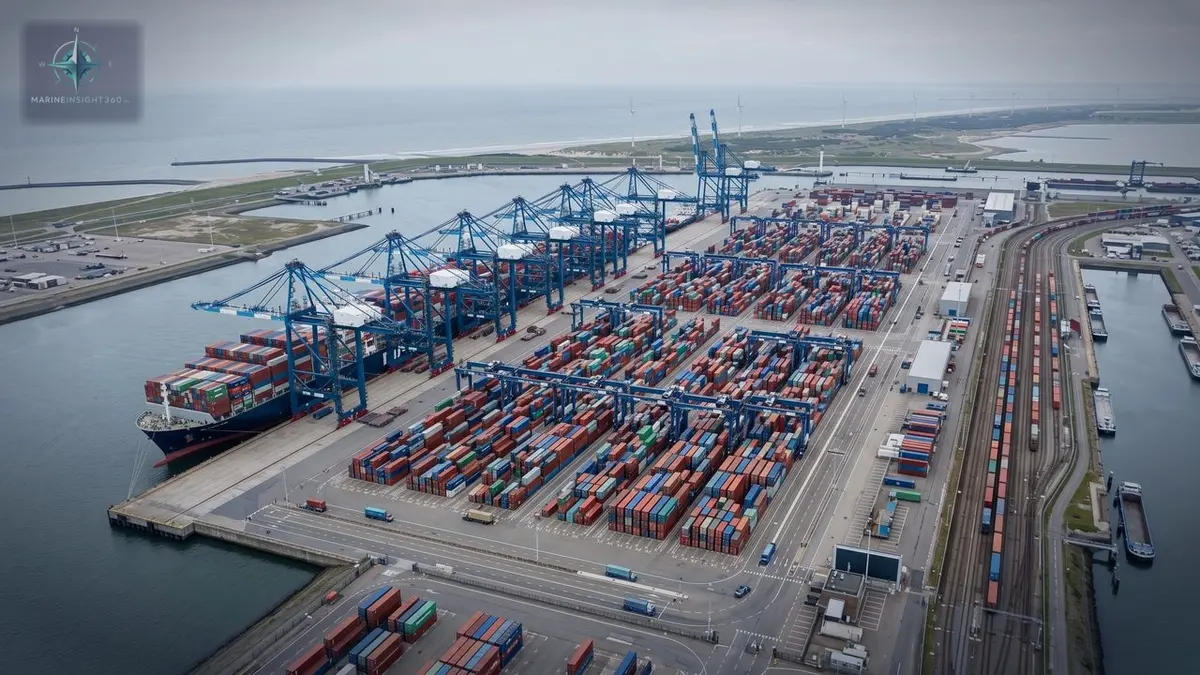
Hapag-Lloyd Invests in APM Terminals Rotterdam to Drive Growth
Hapag‑Lloyd’s new stake in APM Terminals Rotterdam aims to expand capacity, improve hinterland links and enhance crew efficiency in Europe’s busiest port.
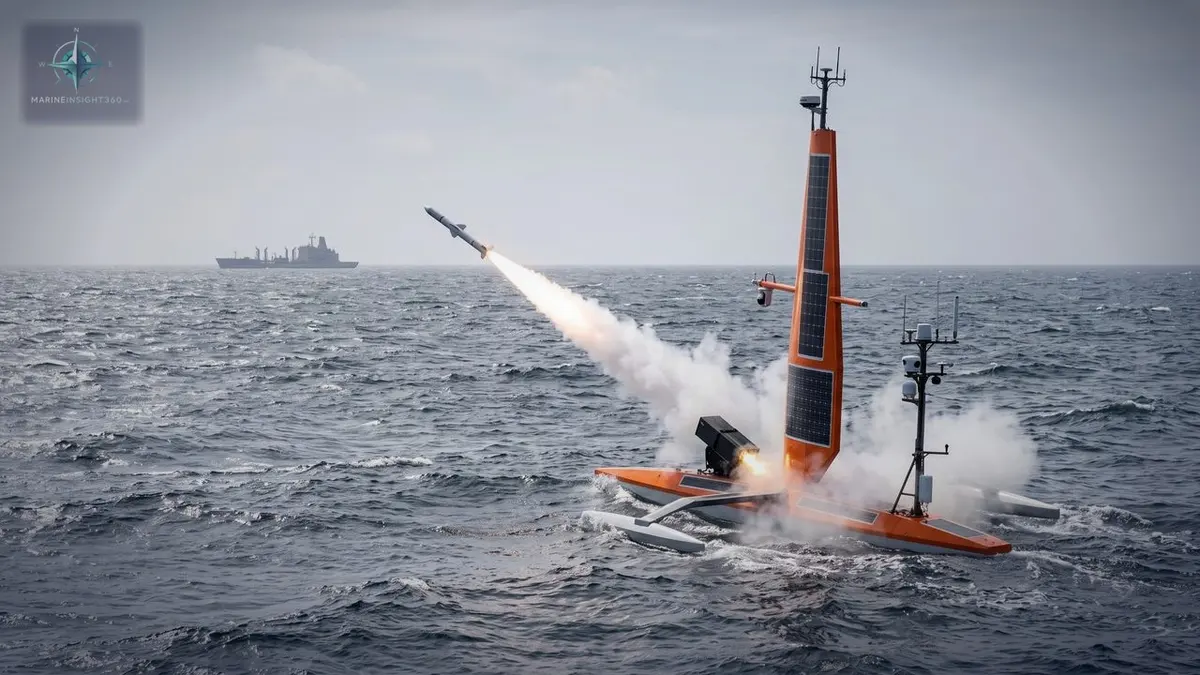
Saildrone Completes Missile Launch Test Aboard its Sail-Powered Surveyor
Saildrone’s autonomous vessel successfully launched a missile‑type payload, showing new possibilities for armed surveyors and implications for shipping operator