Autonomous Vessels: Legal Challenges Ahead
Liability, crewing rules and classification gaps stand between today's pilots and a fully crewless future.
The International Maritime Organization (IMO) has set a target of reducing greenhouse gas emissions from shipping by at least 50% by 2050, compared to 2008 levels. To achieve this goal, the industry is exploring various solutions, including the development of autonomous vessels. However, as the maritime sector moves towards a more autonomous future, it is facing significant legal challenges. For instance, the IMO's Maritime Safety Committee (MSC) has identified several regulatory gaps that need to be addressed before autonomous vessels can be widely adopted. According to a report by the IMO, 75% of maritime accidents are caused by human error, which autonomous vessels could potentially mitigate. Nevertheless, the lack of clear regulations and standards for autonomous vessels is hindering their development and deployment. The IMO's Convention on the International Regulations for Preventing Collisions at Sea (COLREGS) and the International Convention for the Safety of Life at Sea (SOLAS) will need to be revised to accommodate autonomous vessels.
The development of autonomous vessels is also being driven by technological advancements, with several companies already testing and deploying autonomous vessels. For example, the Norwegian company Kongsberg Gruppen has developed an autonomous vessel called the Yara Birkeland, which is expected to reduce emissions by 90% compared to traditional vessels. However, the operation of autonomous vessels raises several legal questions, including liability in the event of an accident. The IMO's Convention on Limitation of Liability for Maritime Claims (LLMC) sets out the rules for limiting liability for maritime claims, but it is unclear how these rules would apply to autonomous vessels. The International Chamber of Shipping (ICS) has called for clarity on liability rules for autonomous vessels, highlighting the need for a clear and consistent regulatory framework.
The use of autonomous vessels also raises questions about crewing rules and the role of ship officers. The IMO's Standards of Training, Certification and Watchkeeping (STCW) Convention sets out the requirements for the training and certification of ship officers, but it is unclear how these requirements would apply to autonomous vessels. The STCW Convention requires that ship officers be trained to respond to emergencies and take control of the vessel in the event of a malfunction, but autonomous vessels may not require human intervention in the same way. The European Union's (EU) Ship Source Pollution Directive (2005/35/EC) also sets out rules for the prevention of pollution from ships, but it is unclear how these rules would apply to autonomous vessels.
Regulatory Framework
The regulatory framework for autonomous vessels is still in its infancy, and several gaps need to be addressed before these vessels can be widely adopted. The IMO's MSC has identified several areas that require regulatory clarity, including the definition of an autonomous vessel, the role of the master and crew, and the requirements for navigation and communication equipment. The IMO's Navigation Committee (NAV) has also developed guidelines for the operation of autonomous vessels, including the use of Electronic Chart Display and Information Systems (ECDIS) and the implementation of cyber security measures. However, these guidelines are not mandatory, and more work is needed to develop a comprehensive regulatory framework for autonomous vessels. The Paris Memorandum of Understanding (MOU) on Port State Control also has a role to play in ensuring that autonomous vessels comply with international regulations, but its current framework may not be sufficient to address the unique challenges posed by autonomous vessels.
The classification societies, such as the American Bureau of Shipping (ABS) and the Det Norske Veritas (DNV), also have a critical role to play in developing standards and guidelines for autonomous vessels. The ABS has already developed a guide for the design and operation of autonomous vessels, which includes requirements for navigation and communication equipment, as well as guidelines for the training of personnel. The DNV has also developed a standard for the certification of autonomous vessels, which includes requirements for the design, construction, and operation of these vessels. However, more work is needed to develop a consistent and comprehensive set of standards and guidelines for autonomous vessels. The International Association of Classification Societies (IACS) has also developed a set of recommendations for the design and operation of autonomous vessels, which includes guidelines for the use of remote control systems and the implementation of cyber security measures.
The BIMCO (Baltic and International Maritime Council) has also developed a set of guidelines for the operation of autonomous vessels, including the use of standard contracts and the implementation of safety protocols. The BIMCO guidelines also emphasize the need for clear and consistent regulatory frameworks, as well as the development of international standards for the design and operation of autonomous vessels. The IMO's Facilitation Committee (FAL) has also developed a set of guidelines for the operation of autonomous vessels, including the use of electronic documentation and the implementation of single window systems. However, more work is needed to develop a comprehensive set of guidelines and standards for autonomous vessels, and to address the unique challenges posed by these vessels.
Classification and Certification
The classification and certification of autonomous vessels is a critical aspect of their development and deployment. The classification societies have a key role to play in this process, as they are responsible for verifying that autonomous vessels comply with international regulations and standards. The ABS has already developed a guide for the classification of autonomous vessels, which includes requirements for the design, construction, and operation of these vessels. The DNV has also developed a standard for the certification of autonomous vessels, which includes requirements for the design, construction, and operation of these vessels. However, more work is needed to develop a consistent and comprehensive set of standards and guidelines for autonomous vessels.
The IMO's Convention for the Safety of Life at Sea (SOLAS) also sets out requirements for the safety equipment and systems on board ships, including autonomous vessels. The SOLAS Convention requires that ships be equipped with navigation and communication equipment, as well as safety systems such as fire alarms and sprinkler systems. However, the SOLAS Convention may need to be revised to accommodate the unique characteristics of autonomous vessels, such as the use of remote control systems and the implementation of cyber security measures. The International Electrotechnical Commission (IEC) has also developed a set of standards for the safety of electrical and electronic systems on board ships, including autonomous vessels. The IEC standards include requirements for the design, construction, and testing of electrical and electronic systems, as well as guidelines for the implementation of cyber security measures.
The certification of autonomous vessels is also a critical aspect of their development and deployment. The classification societies have a key role to play in this process, as they are responsible for verifying that autonomous vessels comply with international regulations and standards. The ABS has already developed a guide for the certification of autonomous vessels, which includes requirements for the design, construction, and operation of these vessels. The DNV has also developed a standard for the certification of autonomous vessels, which includes requirements for the design, construction, and operation of these vessels. However, more work is needed to develop a consistent and comprehensive set of standards and guidelines for autonomous vessels, and to address the unique challenges posed by these vessels.
Implementation and Operation
The implementation and operation of autonomous vessels will require significant changes to the way that ships are designed, built, and operated. The use of remote control systems and the implementation of cyber security measures will be critical to the safe and efficient operation of autonomous vessels. The IMO's Maritime Safety Committee (MSC) has already developed guidelines for the operation of autonomous vessels, including the use of Electronic Chart Display and Information Systems (ECDIS) and the implementation of cyber security measures. However, more work is needed to develop a comprehensive set of guidelines and standards for autonomous vessels, and to address the unique challenges posed by these vessels.
The operation of autonomous vessels will also require significant changes to the way that ships are crewed and managed. The IMO's Standards of Training, Certification and Watchkeeping (STCW) Convention sets out the requirements for the training and certification of ship officers, but it is unclear how these requirements would apply to autonomous vessels. The STCW Convention requires that ship officers be trained to respond to emergencies and take control of the vessel in the event of a malfunction, but autonomous vessels may not require human intervention in the same way. The European Union's (EU) Ship Source Pollution Directive (2005/35/EC) also sets out rules for the prevention of pollution from ships, but it is unclear how these rules would apply to autonomous vessels.
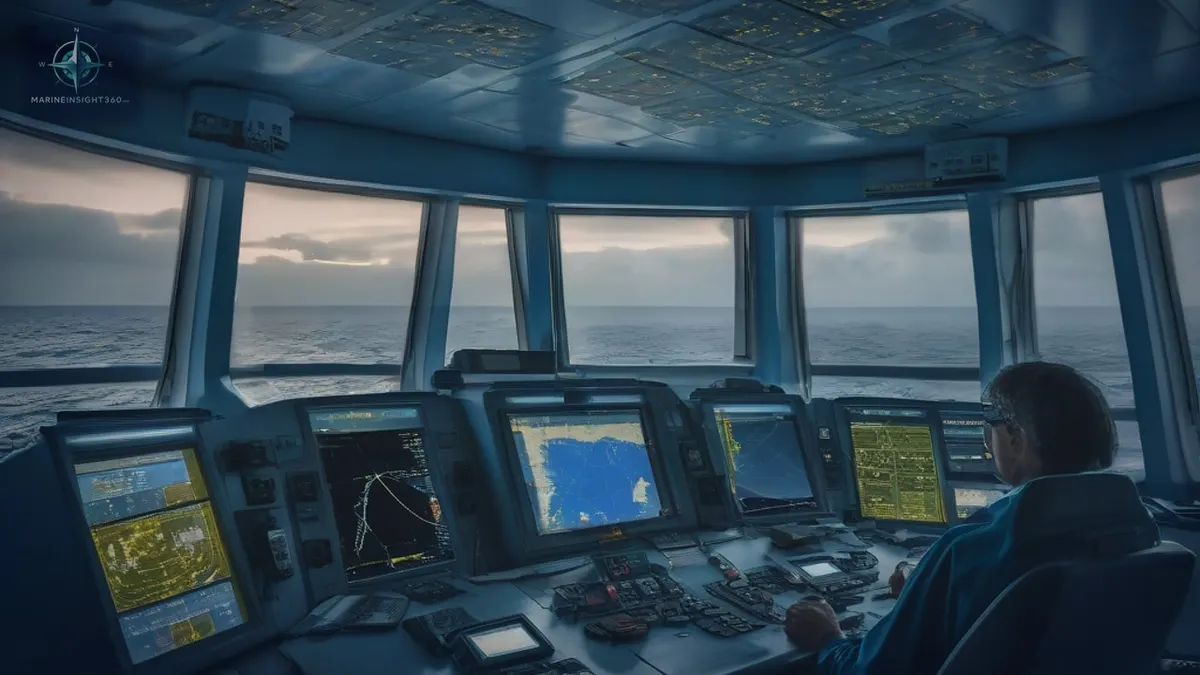
The Yara Birkeland, a fully electric and autonomous container ship, is an example of an autonomous vessel that is already in operation. The ship is equipped with a range of sensors and systems, including GPS, radar, and lidar, which enable it to navigate and operate autonomously. The ship is also equipped with a remote control system, which allows it to be controlled from a shore-based station in the event of an emergency. The Yara Birkeland is an example of how autonomous vessels can be designed and operated to reduce emissions and improve safety, but it also highlights the need for clear and consistent regulatory frameworks, as well as the development of international standards for the design and operation of autonomous vessels.
Future Directions
The future of autonomous vessels will depend on the development of clear and consistent regulatory frameworks, as well as the establishment of international standards for the design and operation of these vessels. The IMO's Maritime Safety Committee (MSC) has already begun work on developing guidelines and standards for autonomous vessels, including the use of Electronic Chart Display and Information Systems (ECDIS) and the implementation of cyber security measures. However, more work is needed to address the unique challenges posed by autonomous vessels, such as the need for clear and consistent liability rules and the development of standards for the training and certification of personnel.
The development of autonomous vessels will also require significant investment in research and development, as well as the establishment of partnerships between industry, government, and academia. The European Union's (