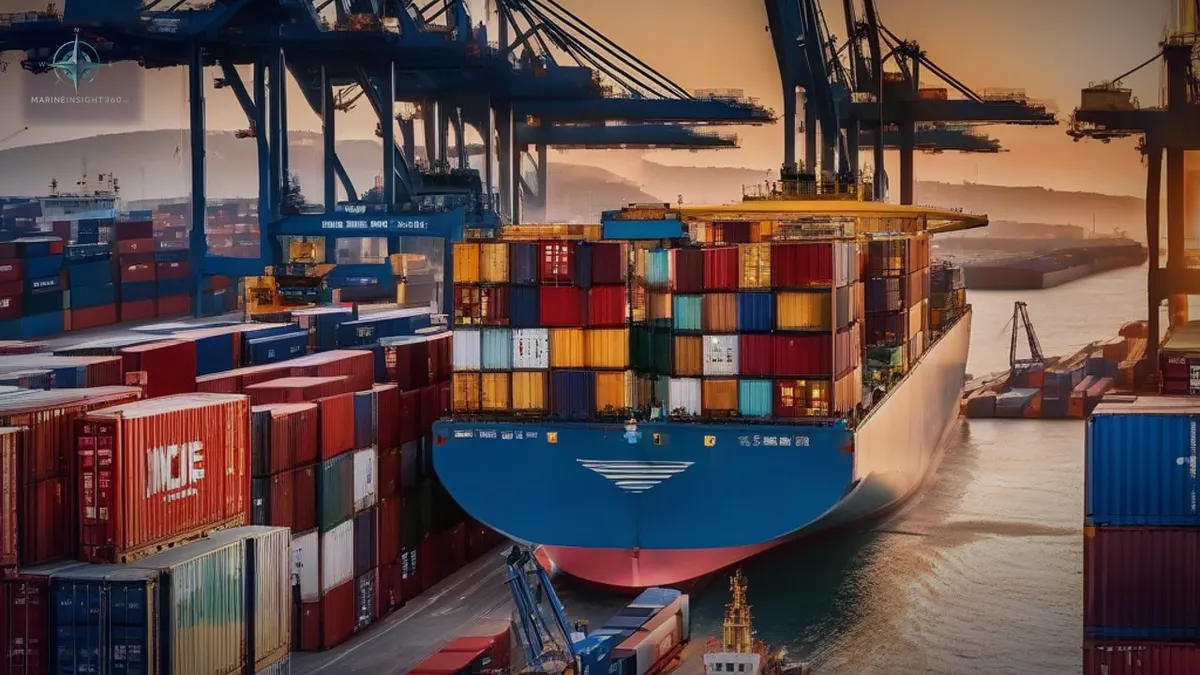
14 million barrels of stranded Iraq oil travels through Strait of Hormuz
In late June 2024, 14 million barrels of stranded Iraq oil moved through the Strait of Hormuz to Asian markets.
14 Million Barrels of Iraqi Oil Pass Through Strait of Hormuz Amid Geopolitical Tensions
In late June 2024, 14 million barrels of stranded Iraq oil moved through the Strait of Hormuz to Asian markets. The shipment shows how much Gulf export capacity rests on one waterway 21 miles wide at its narrowest point, and how quickly a closure there traps crude that has no other way out.
Strategic Importance of the Strait of Hormuz
The Strait of Hormuz, only 21 miles wide at its narrowest point, facilitates around a quarter of the world’s seaborne oil trade—approximately 20–21 million barrels per day (b/d) as of 2024. Its two unidirectional lanes are vital for exporting oil from the Persian Gulf, with limited alternatives if the strait becomes inaccessible. Iraq’s recent shipment of 14 million barrels underscores the urgency for countries to secure oil exports during periods of heightened regional instability.
Operational Challenges for Shipping Professionals
- Route Vulnerability: The strait’s narrow width and high traffic density increase collision risks. Vessel operators must adhere to strict transit protocols, including speed limits and designated lanes.
- Geopolitical Risks: Conflicts in the Middle East, such as the ongoing discussions involving US envoys in Qatar, can disrupt operations. Shipowners and crews must monitor diplomatic developments and adjust itineraries accordingly.
- Stranded Oil Logistics: When the strait is closed, tankers may be forced to queue or reroute, incurring delays and additional costs. Iraq’s successful transit of 14 million barrels in June demonstrates the importance of timing and coordination with buyers.
Implications for the Global Oil Market
A closure of the Strait of Hormuz could strand up to 160 million barrels of crude oil and condensate on tankers, as seen in previous crises. The 2026 Strait of Hormuz crisis scenario, though unverified in the source, suggests that such disruptions could ripple across global markets, driving up prices and straining supply chains. For seafarers, this means increased demand for skilled personnel to manage emergency rerouting and cargo security.
Key Considerations for Seafarers and Cadets
Crews navigating the strait should prioritize: Continuous situational awareness of geopolitical developments in the region. Training in emergency procedures for restricted waters. Understanding insurance and contractual obligations for high-risk routes. For cadets, studying historical strait closures (e.g., 2024 incidents) provides practical insights into risk management and contingency planning. Operators must also balance speed against safety, as the 14 million barrels of Iraqi oil required precise coordination to avoid bottlenecks.
Why Iraqi crude has no way out except Hormuz
Two pipelines exist to put Gulf crude on water outside the strait. Saudi Arabia's East-West line carries crude across the peninsula to Yanbu on the Red Sea, and the UAE runs a line from Habshan to Fujairah, which sits on the Gulf of Oman side of the chokepoint. Both belong to their host states and serve their own barrels first.
Iraq has no equivalent for its southern production. Basrah grades load at offshore terminals in the northern Gulf and have to sail the full length of the Gulf and through the strait to reach any buyer. The northern option, the pipeline from Kirkuk to Ceyhan on the Turkish Mediterranean coast, is a separate system carrying different crude and has spent long stretches shut.
That is the practical content of the word stranded. Once loading is finished there is no alternative discharge route and no swap arrangement waiting, so the cargo either transits or it sits. It is also why a movement of 14 million barrels was reported as an event rather than as routine liftings.
Source and verification
This report is based on information published by scmp.com. Claims attributed to military or government parties remain claims unless independently confirmed.