
After Iran war upheaval, global shipping eyes return to status quo
Explore how the US‑Israel offensive against Iran reshapes shipping routes, oil flows, and operational decisions for seafarers and shipping firms.
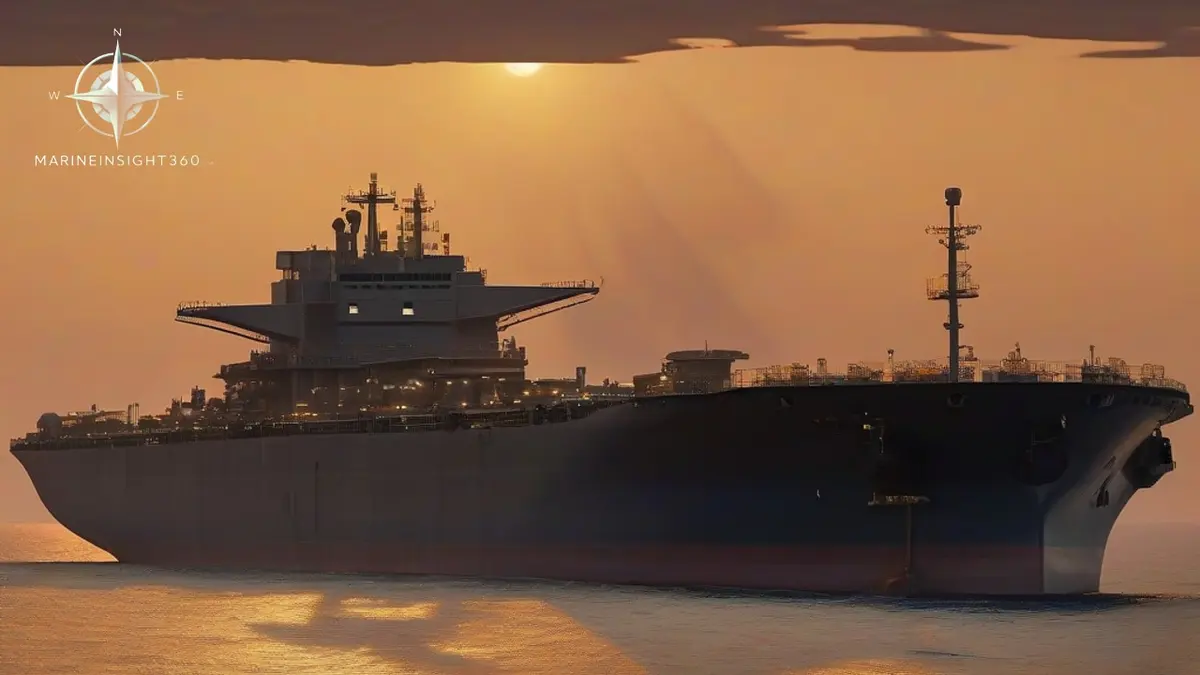
After Iran war upheaval, global shipping eyes return to status quo
The United States‑Israel offensive against Iran has become the most significant shock to merchant shipping since the COVID‑19 pandemic. While the conflict has disrupted routes and supply chains, analysts say the shipping industry’s resilience will keep it largely intact as hostilities subside.
Scale of the disruption
During the peak of the conflict, the Strait of Hormuz—a critical choke point for about 17–20 million barrels of oil per day—was threatened with blockade or mining. The threat alone forced shipping companies to divert vessels, increasing transit times and costs. The Red Sea, another key corridor for global freight, experienced a halt in traffic, compelling governments and firms to re‑route cargoes.
Impact on oil and LNG flows
With the Strait of Hormuz at risk, global oil and LNG supply lines faced potential interruptions. The figure of 17–20 million barrels per day underscores the strategic importance of this narrow waterway. Any sustained closure would have ripple effects across energy markets and shipping schedules.
Reopening of the Strait of Hormuz
After weeks of conflict, the Strait of Hormuz has begun to reopen. Iran has declared that the passage will remain open for global shipping, but vessels linked to the United States and Israel will not be permitted to use the route. This selective restriction adds a layer of complexity for operators who must assess vessel flag, ownership, and routing permissions.
Red Sea logistics shift
The shutdown of freight traffic in the Red Sea forced a rapid re‑planning of logistics. Shipping lines had to identify alternative routes, often through the Suez Canal or around the Cape of Good Hope, which increased voyage distances and fuel consumption. Companies also had to coordinate with port authorities in alternative hubs to accommodate the sudden surge in traffic.
Industry resilience and future outlook
Historically, the maritime sector has weathered geopolitical crises with minimal long‑term structural change. Analysts predict that, despite the current upheaval, the shipping industry will emerge largely unchanged. The primary adjustments will involve short‑term route re‑routing, increased insurance premiums, and heightened security protocols.
Key decision points for operators
- Route assessment: Evaluate the risk of remaining in contested waters versus the cost of detours.
- Insurance coverage: Verify that hull and cargo insurance covers geopolitical risks in the affected regions.
- Compliance checks: Confirm that vessels comply with any new restrictions, especially those linked to the U.S. and Israel.
- Crew safety: Ensure that crew members are briefed on emergency procedures and that vessels have adequate security measures.
Common mistakes to avoid
- Assuming all vessels can freely transit the Strait of Hormuz without checking flag or ownership restrictions.
- Underestimating the time and fuel costs of detours around the Cape of Good Hope.
- Neglecting to update insurance policies to reflect current geopolitical risks.
- Failing to coordinate with port authorities in alternative hubs for berth availability.
Edge cases for specialized vessels
Vessels carrying high‑value or hazardous cargoes may face stricter scrutiny. Operators should verify that their cargo classifications align with any new security protocols in the region.
Practical considerations for crews and operators
For seafarers, the immediate concern is safety. Vessels should maintain heightened vigilance when transiting near conflict zones. Crew members must be familiar with the latest maritime security advisories and the procedures for reporting suspicious activity.
Ship operators should keep an up‑to‑date log of any changes to routing permissions issued by the Iranian authorities. This log will be essential for compliance audits and for justifying route changes to insurers.
In terms of cost management, operators can mitigate increased fuel consumption by optimizing speed and ballast conditions on detoured routes. Regularly reviewing fuel efficiency metrics will help keep operating costs within acceptable ranges.
Next steps for seafarers and shipping professionals
To stay ahead of evolving conditions, consult the Marine Insight 360 Knowledge Base for the latest updates on maritime security and routing guidance. Reviewing the latest industry reports will also help in adjusting operational plans to the new status quo.
Why this matters
Global Shipping Eyes Return matters because maritime decisions rarely sit in one department. A route story may affect insurance, crew planning and cargo timing. A machinery topic may affect maintenance, safety permits and spare-part planning. A career question may affect training, documents and joining readiness.
For readers in the United States, United Kingdom, Europe, Canada, Australia, Singapore and other mature maritime markets, the useful angle is practical: what changes, what remains uncertain, and which checks should happen before a decision is made.
For related equipment checks and troubleshooting guides, continue with the marine machinery knowledge base.
Market context for high-compliance maritime regions
For readers in the United States, United Kingdom, Canada, Australia, Singapore and Europe, After Iran war upheaval, global shipping eyes return to status quo should be compared with ports, cargo owners, ship managers, charterers, insurers and route-risk teams. The same maritime topic can have different practical meaning under USCG, MCA, Transport Canada, AMSA, MPA Singapore and European authority expectations.
Use the market links below to connect the article with regional trade exposure, port activity, shipping jobs and commercial maritime demand.


