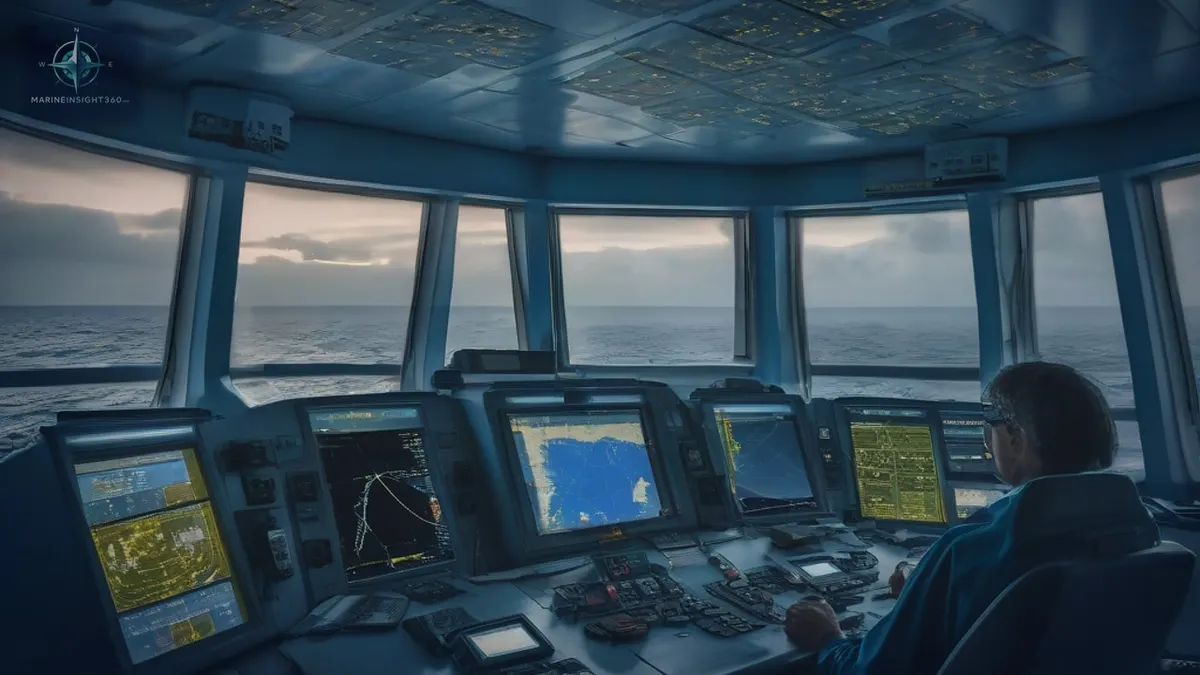
Australia Continues to Record High Numbers of Maritime Safety Incidents
Australia's maritime industry is experiencing a surge in safety incidents, with recent data showing a continued upward trend.
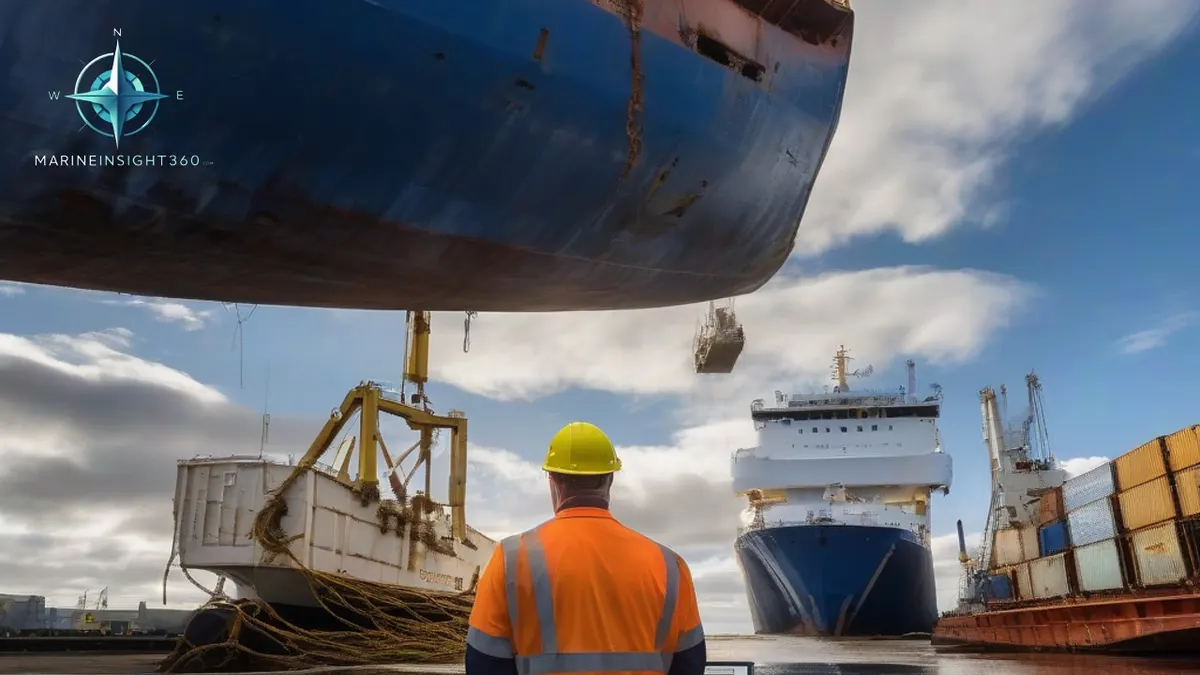
Australia records high maritime safety incidents.
Australia's maritime industry is experiencing a surge in safety incidents, with recent data showing a continued upward trend. The country's maritime authorities have reported a high number of incidents involving commercial vessels, including cargo ships and passenger ferries. These incidents range from minor accidents to major casualties, and have raised concerns about the safety of Australia's maritime sector.
The high number of incidents is a concern for the Australian maritime industry, as it may indicate a lack of adherence to safety protocols and regulations. The International Maritime Organization (IMO) and the Safety of Life at Sea (SOLAS) convention set strict safety standards for commercial vessels, and Australia is expected to enforce these regulations. However, the recent data suggests that some vessels operating in Australian waters may not be meeting these standards.
The incidents may also have implications for trade routes that pass through Australian waters, including the busy shipping lanes that connect Australia to Asia and the Americas. The safety of these routes is critical to international trade, and any disruption to shipping traffic could have major economic consequences. Australia's maritime authorities will need to take steps to address the high number of safety incidents and ensure that vessels operating in the country's waters are meeting strict safety standards.
This matters to the industry because safety incidents can have serious consequences for crew, passengers, and the environment, and can also disrupt global trade patterns.
What it means for the major markets
For operators and jobseekers in the US, UK, Europe, Singapore, Canada and Australia, the relevance of this safety story is in the detail behind the headline, what it changes for the trades and rules that market runs on.
What readers should watch
Safety stories need careful reading because early reports can change as investigations, inspections or company reviews progress. Readers should watch for official follow-up, company confirmation and any change in operational guidance before treating early details as final.
Why it's on our radar
Australia Continues to Record High Numbers of Maritime Safety Incidents earns coverage because its effects seldom stop at the headline; safety news like this lands on operators, charterers, insurers and seafarers together.
For readers across the major maritime markets, the value is practical: what shifts, what to verify, and which decisions it touches.
The operational read
For operators, this safety development can touch routing, cost, charter terms and onboard routines. The useful step is to map it to the teams it affects.
Treat the first report as a starting point and verify the specifics against official and company sources.
Keep an eye on
- Whether authorities or companies publish concrete follow-up.
- Any repricing of insurance, freight or compliance cost.
- Spread from a local issue to wider trades and fleets.
- Evidence that confirms, or trims, the early reporting.