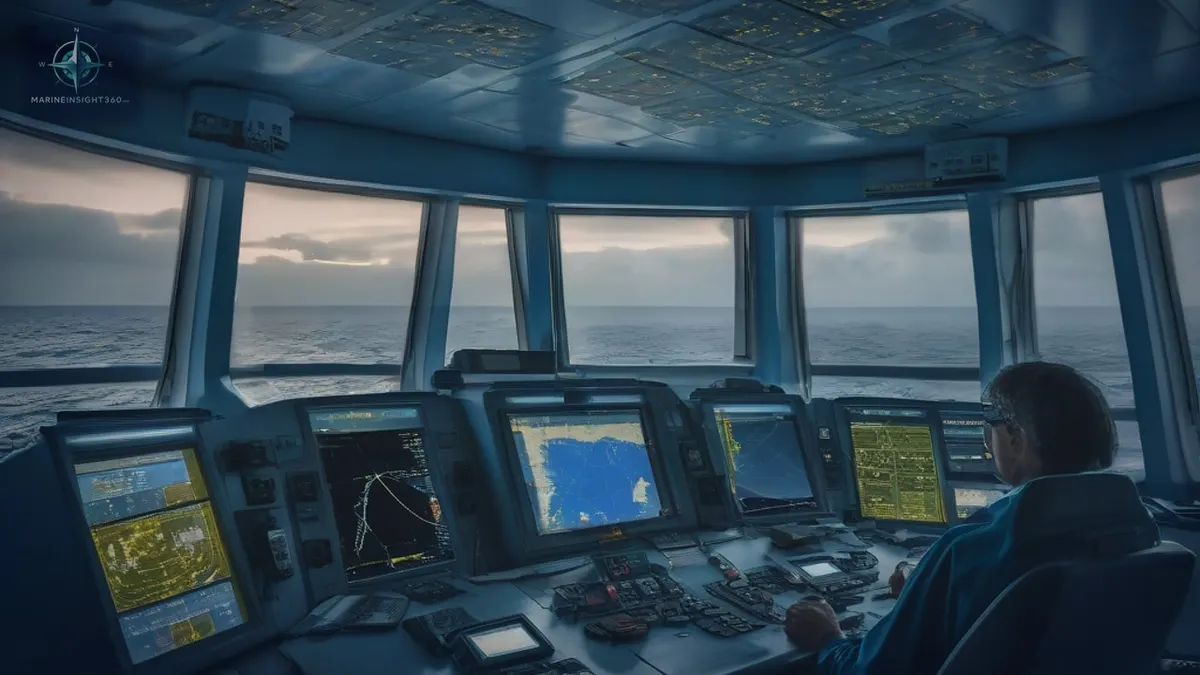
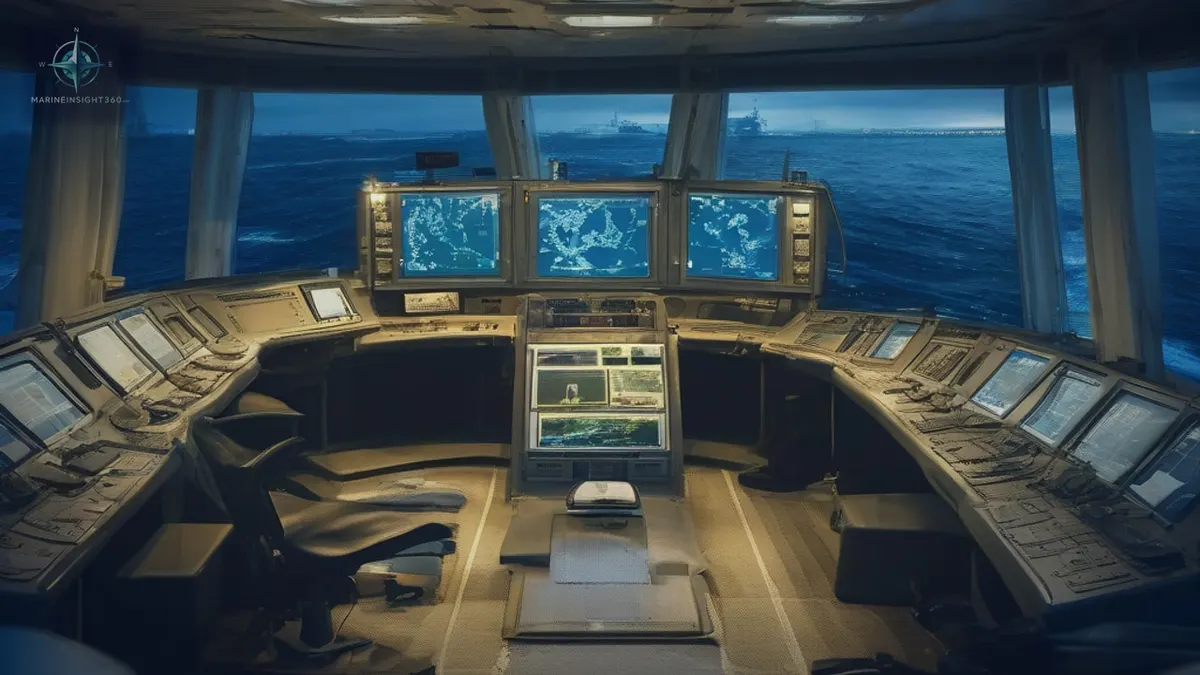
Autonomous roro vessel wins green light from Japan
This development marks a major milestone in the adoption of autonomous technology in the maritime industry.
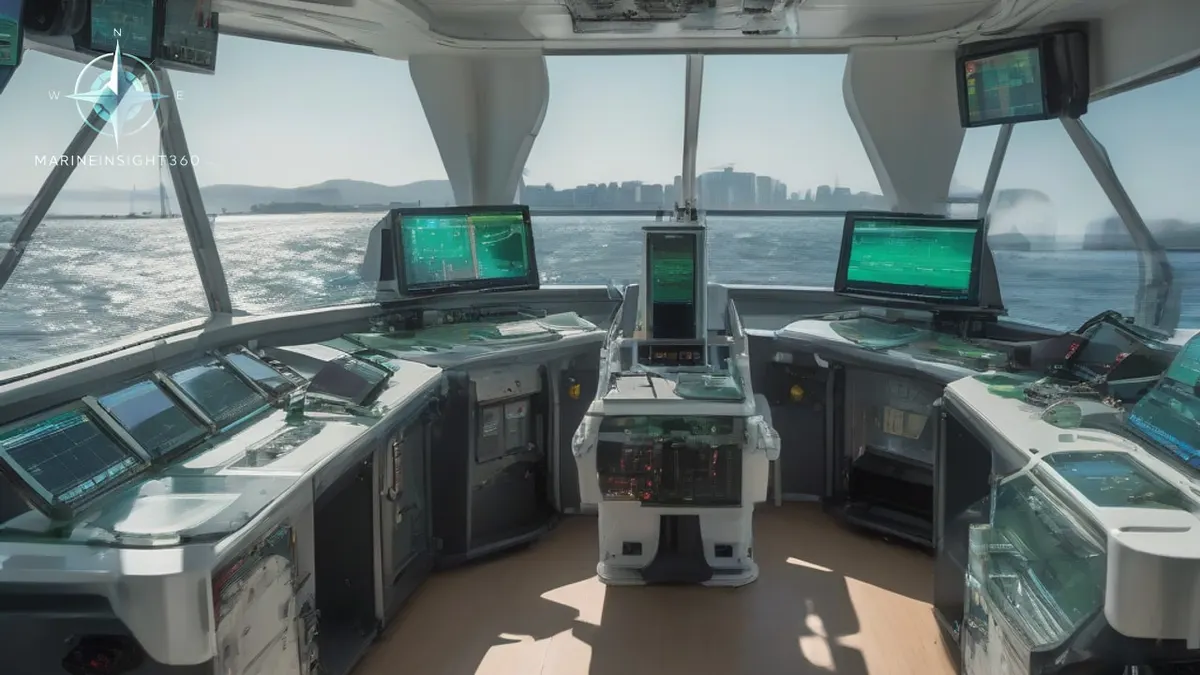
Japan has given the green light to an autonomous roro vessel. This development marks a major milestone in the adoption of autonomous technology in the maritime industry. The vessel will be able to operate without human intervention, relying on advanced sensors and software to navigate.
The use of autonomous vessels has the potential to improve safety and efficiency in the maritime industry. Autonomous vessels can reduce the risk of human error, which is a major cause of accidents at sea. They can also optimize routes and reduce fuel consumption, making them more environmentally friendly.
The International Maritime Organization (IMO) has been working to develop regulations for the use of autonomous vessels. The IMO has established a framework for the development and deployment of autonomous vessels, including guidelines for safety and security. The use of autonomous vessels will also need to comply with the Safety of Life at Sea (SOLAS) convention.
The approval of the autonomous roro vessel in Japan is a significant development for the maritime industry. Roro vessels play a critical role in the transportation of goods, particularly in the automotive and heavy equipment sectors. The use of autonomous technology in these vessels has the potential to improve the efficiency and safety of these operations.
This development matters to the industry because it has the potential to transform the way goods are transported by sea.
For the leading markets
Professionals in the world's busiest maritime markets treat a technology development as a data point on trade exposure, port activity and commercial demand, useful only where it touches their own routes and rules.
What readers should watch
Safety stories need careful reading because early reports can change as investigations, inspections or company reviews progress. Readers should watch for official follow-up, company confirmation and any change in operational guidance before treating early details as final.
The wider stakes
Why give this technology story attention? Because in shipping a single event ripples outward, to owners, cargo interests, insurers, ports and crews, faster than the first report suggests.
What matters is separating the confirmed facts from the knock-on effects on cost, routing, compliance and hiring.
How it plays out in practice
The practical footprint of a technology story reaches schedules, insurance clauses, crew briefings and procurement. Knowing which desk owns the response is half the work.
And because reporting evolves, weigh it against authoritative sources, regulators, class societies and port authorities, before it drives a decision.
What comes next
- Follow-up notices from port, flag or class bodies.
- Effects on chartering decisions, crewing demand or compliance workload.
- Whether the story escalates beyond its first market.
- New detail that firms up or scales back the initial account.
Reading it right
The honest way to use this technology update is to ask what, if anything, it changes for you: a route, a cost, a certificate, a hiring plan. Where the answer is nothing, it is background; where it is something, verify it before you rely on it.