Celebrating maritime excellence at Warsash awards — SMI DIGITAL
Explore how Warsaw Maritime School’s annual awards honor cadets and innovators, and what it means for seafarers worldwide.
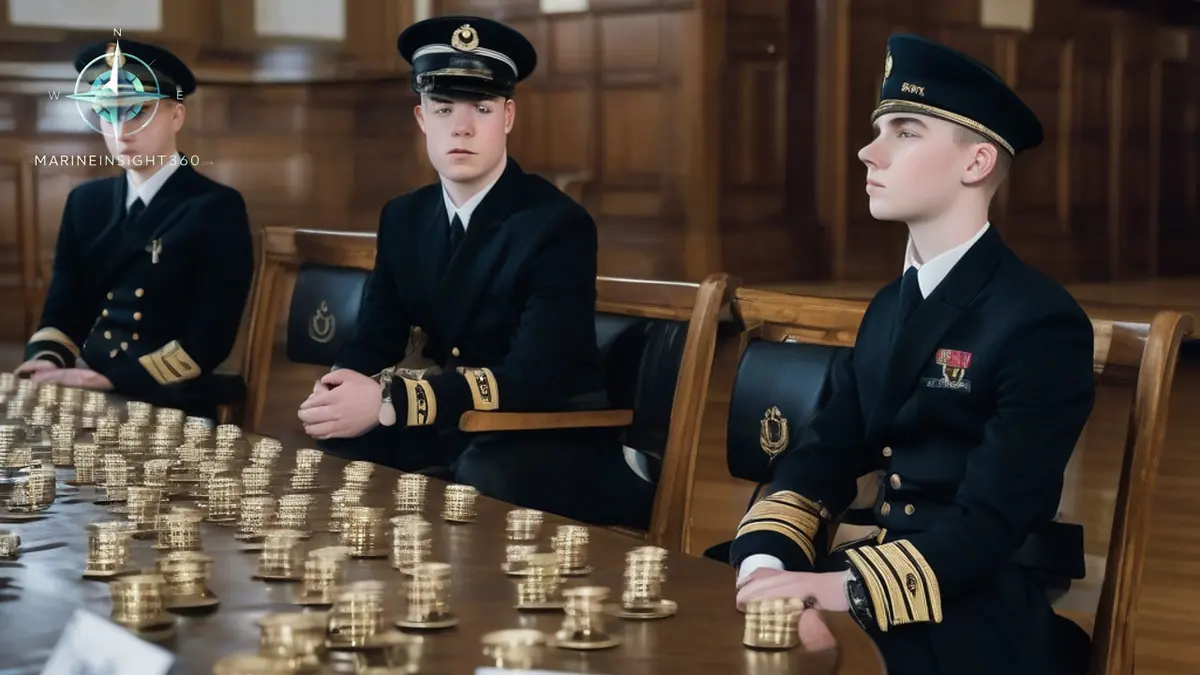
The Warsash awards are the annual ceremony held by the maritime school at Southampton Solent University to recognise the strongest cadets and innovators in marine engineering and navigation.
Why Warsash Awards Matter to the Maritime Community
Warsaw Maritime School (WMS) at Southampton Solent University hosts an annual ceremony that recognises the best and brightest in marine engineering and navigation. For seafarers, cadets and shipping professionals, the awards signal where academic excellence meets real‑world readiness. Winning an award can boost a career, open networking doors, and set a benchmark for peers.
Key Award Categories and Their Operational Significance
WMS awards span the full spectrum of maritime expertise. Categories include:
- Digital Transformation in Maritime – highlights innovative use of technology to improve safety, efficiency and sustainability.
- Advanced Shipbuilding and Naval Architecture – recognises breakthroughs in design, materials and construction techniques.
- Port Management and Integrated Operations – honours excellence in logistics, scheduling and terminal optimisation.
- Maritime Innovation Excellence Award – open to new entrants and businesses that introduce cutting‑edge solutions.
Each category reflects a critical area of the shipping industry. For example, a digital‑transformation award may spotlight a cadet who developed a real‑time monitoring app that reduces engine downtime. Such innovations translate directly into cost savings and safer voyages.
Spotlight on Cadet Winners
Two Officer Cadets from WMS were announced as winners at the Summer 2025 ceremony. While the source does not name them, their achievements demonstrate the calibre of talent emerging from the programme. In a separate event, deck cadet Scarlett Barnett‑Smith received the Bevis Minter Award at the Maritime UK Awards, underscoring the breadth of recognition WMS graduates receive.
These accolades serve as case studies for other cadets: focus on project work that solves real operational problems, document results meticulously, and engage with industry partners early.
Common Mistakes Cadets Make When Pursuing Awards
- Neglecting Documentation – award panels review detailed reports. Skipping data collection can cost a nomination.
- Ignoring Industry Relevance – projects that look impressive academically but lack practical impact are less likely to win.
- Underestimating Time Management – award deadlines often fall mid‑semester. Failing to plan can lead to rushed submissions.
Avoid these pitfalls by setting milestones, seeking mentor feedback, and aligning projects with current maritime challenges such as emissions reduction or digital safety.
Decision Criteria for Award Selection
While the exact rubric is internal, the following factors are typically considered:
- Innovation Level – originality and potential to disrupt existing practices.
- Technical Rigor – depth of engineering analysis or navigational precision.
- Operational Impact – measurable benefits to safety, cost or environmental performance.
- Presentation Quality – clarity, structure and professionalism of the final submission.
Understanding these criteria helps cadets tailor their projects to maximise impact and visibility.
How to Prepare for Future Warsash Awards
- Identify a maritime problem that aligns with one of the award categories.
- Collaborate with industry partners to gather real data.
- Document methodology, results and lessons learned in a concise report.
- Practice presenting to peers and faculty to refine communication skills.
- Submit before the deadline and keep a copy of all supporting materials.
Following this workflow not only improves award chances but also builds a portfolio that shipping companies value during recruitment.
Why This Matters to Shipping Professionals
Recognising cadets and innovators at WMS creates a pipeline of talent equipped with the latest technical skills and a mindset for continuous improvement. For shipowners, operators and port managers, this means access to fresh ideas that can enhance efficiency, safety and sustainability.
Next Step for Readers
Maritime professionals interested in staying ahead should visit the Marine Machinery and Shipboard Operations sections of Marine Insight 360 for deeper dives into the technologies highlighted by the awards.
What the cadetship behind the award certifies
The award is the visible part. The qualification underneath it is an MCA-approved route to a Certificate of Competency. A UK cadet is sponsored by a company, alternates college phases with sea phases, and carries a Training Record Book that ship's officers sign as each task is completed. The certificate follows that record rather than the term marks.
The gates are practical. An ENG1 medical is needed before the first sea phase and to keep working after it. STCW Regulation VI/1 basic training, covering personal survival, fire prevention and fire fighting, elementary first aid and personal safety, has to be held and kept in date. The route finishes at an MCA oral examination.
Where cadetships come apart
The common failure is administrative rather than academic. A Training Record Book that leaves the ship unsigned is sea time that cannot be counted, and it usually surfaces months later when the file reaches the MCA. Watchkeeping tasks missed in one sea phase have to be repeated on another ship, which pushes the whole programme back a rotation.
The other one is the medical. An ENG1 restriction or refusal can end a cadetship that is going well in every other respect, and the standard is worth reading before the years and the money go in.
For the certificate routes, eligibility and rank progression behind these awards, continue with the merchant navy career hub.