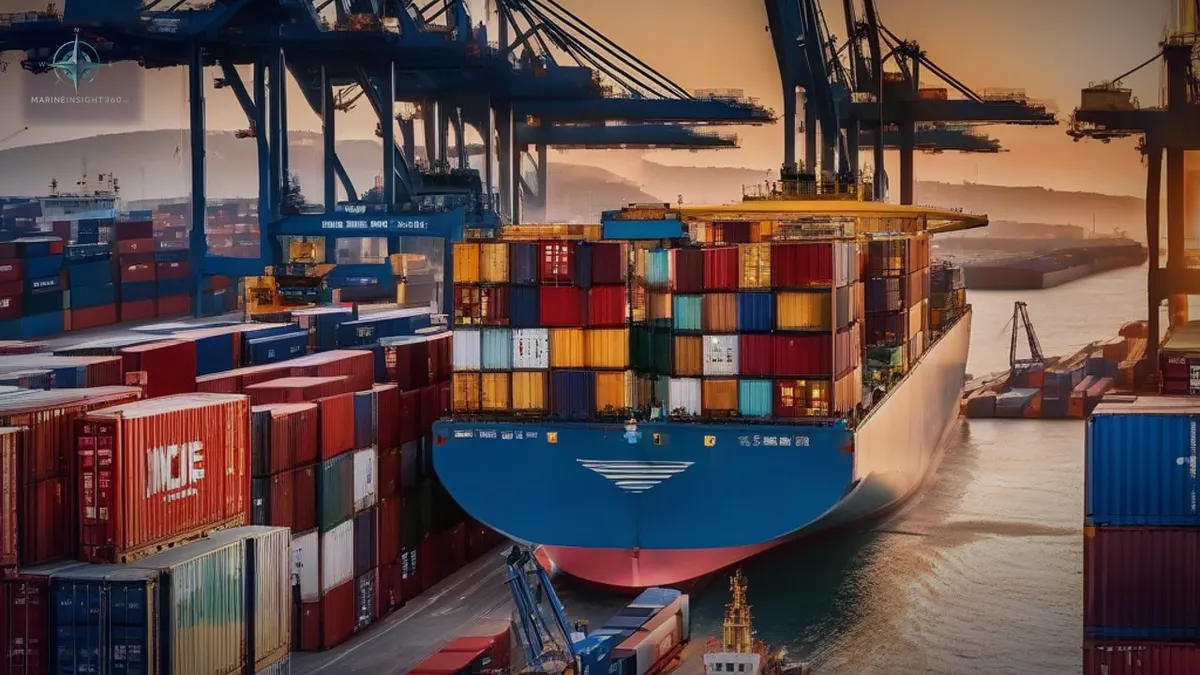
China just put the world's largest all-electric container ship into commercial service, a 419-foot vessel that carries 742 containers on the battery power of 300 electric cars and has no fuel tank at all
China has put the world's largest all-electric container ship into service, a 419-foot vessel carrying 742 containers on battery power alone.
The ship and its numbers
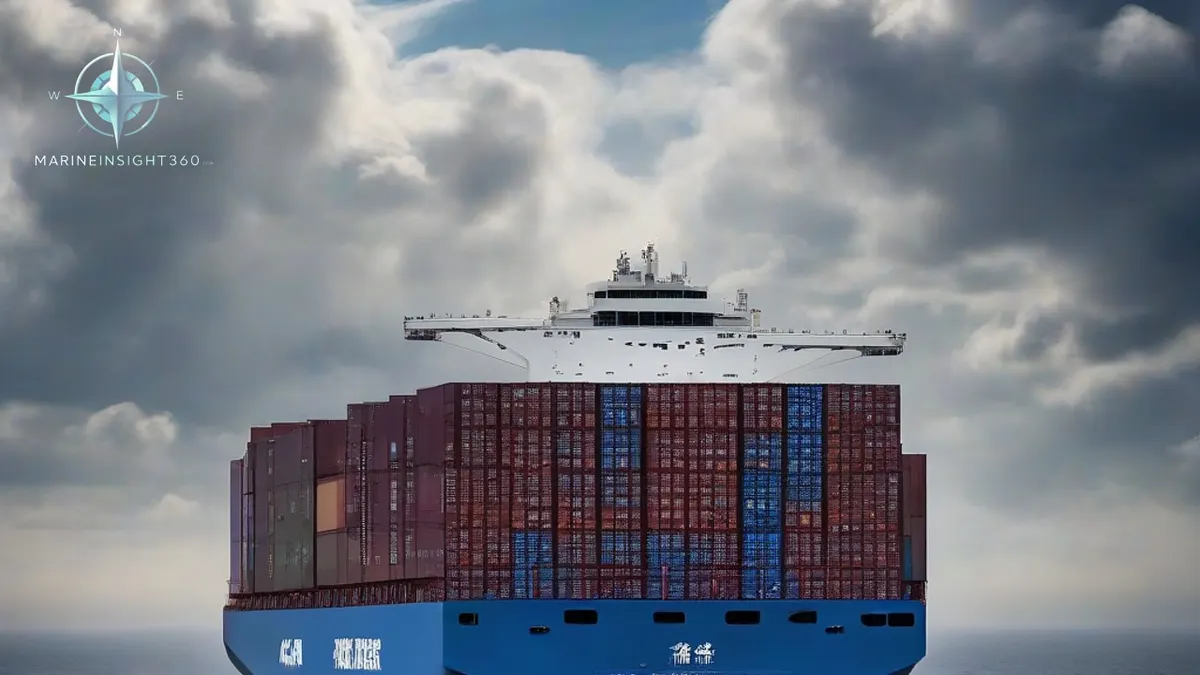
China has put the world's largest all-electric container ship into commercial service. The vessel is 419 feet long, carries 742 containers, and runs on battery capacity equivalent to around 300 electric cars. It has no fuel tank at all.
That last detail is the headline. Ships have carried batteries for years as hybrid support, but deleting the fuel system entirely commits the design to shore charging and fixed itineraries, and signals confidence that the batteries, not a backup engine, will carry the schedule.
Where full-electric shipping works
Battery energy density makes this a short-sea and river tool, not an ocean one. Fixed routes with reliable port calls let operators charge on schedule, and every sailing displaces heavy fuel oil burned close to populated waterways, where emissions matter most to human health.
The operating economics differ from conventional tonnage: electricity and battery amortisation replace bunkers and much of the machinery maintenance, since electric drivetrains have far fewer moving parts than a diesel plant. Crews trade fuel handling and purifier work for high-voltage safety competence.
Why the rest of the industry should watch
Deep-sea shipping will not run on today's batteries, and no serious operator claims otherwise. But the global fleet includes thousands of coastal, river and feeder vessels on exactly the duty cycles electrification suits, and China commissioning the largest example moves the practical frontier for that entire segment.
Each vessel like this also builds the industrial base that eventually changes the bigger equation: marine battery production, port charging infrastructure and classification experience all scale with use. The first fuel-tank-free box ship in service is how that flywheel starts turning.
The operating discipline is worth noting too. A ship without fuel is a ship whose schedule and charging windows must be planned as one system, with reserve margins for weather, delays and battery degradation over the vessel's life. Operators running this ship will generate exactly the service data, on range in practice, charging turnaround and cold-weather performance, that the next round of electric newbuildings will be designed against. Early operators are, in effect, writing the manual.
Reading the significance
This shipping development matters less for the announcement than for its reach. One story can move voyage plans, insurance terms, commercial choices and crewing needs at once.
The task is to trace what changes on the ground and what is still unconfirmed.
On the operational side
A shipping story of this kind can move compliance budgets, chartering assumptions, insurer expectations and crew planning at once. The question is not just what happened, but who needs to act.
Source discipline matters here: compare the account with official guidance and company disclosures before relying on it.
What to watch next
- Whether regulators, port authorities, companies or class societies issue follow-up guidance.
- Whether it shifts schedules, insurance terms, chartering or recruitment demand.
- Whether it stays local or spreads to wider routes and fleets.
- Whether later evidence confirms or narrows the early reporting.
Reading it right
The honest way to use this shipping development is to ask what, if anything, it changes for you: a route, a cost, a certificate, a hiring plan. Where the answer is nothing, it is background; where it is something, verify it before you rely on it.