
Deal between Danish NATO port and Chinese peer draws criticism
Deal between Danish NATO port and Chinese peer draws criticism: ports, trade and shipping-market context for US, UK, Canada, Australia, Singapore and...
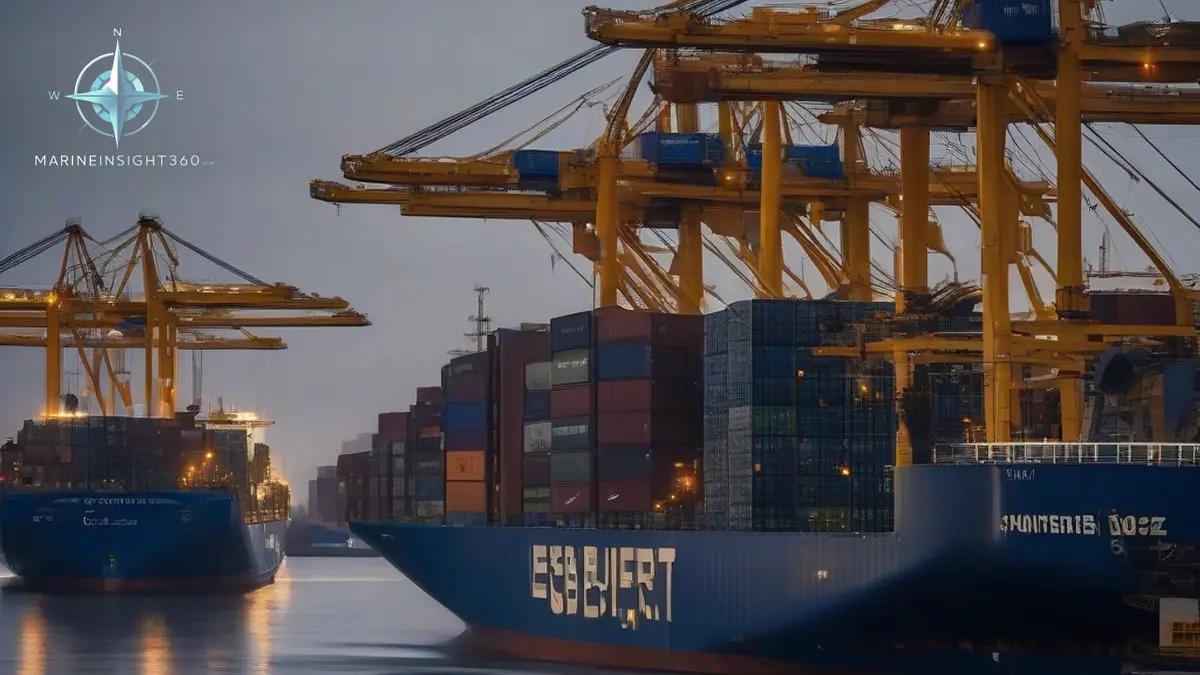
Deal Between Danish Nato Port is the focus of this article because it connects ship operators, insurers, charterers and route planners with the wider question behind Deal between Danish NATO port and Chinese peer draws criticism.
What the Cooperation Agreement Covers
Esbjerg Port in Denmark, a key NATO‑aligned facility and hub for EU wind‑energy projects, entered into a cooperation agreement with the state‑owned Ningbo‑Zhoushan Port Group in China. The deal, announced in Hamburg, Germany, aims to strengthen ties between the two ports but has sparked debate over potential Chinese influence in Danish maritime infrastructure.
Parties Involved
Esbjerg Port is a Danish public port that serves as a gateway for wind‑farm supply chains and general cargo. Ningbo‑Zhoushan Port Group, owned by the Chinese government, operates one of the world’s busiest container terminals. The partnership links a NATO‑aligned port with a major Chinese state entity.
Scope of Cooperation
While the agreement’s precise terms are not fully disclosed, typical port‑to‑port cooperation includes joint logistics, shared best practices, and coordinated infrastructure development. The partnership may also facilitate the exchange of technical expertise and support the growth of green shipping initiatives, given Esbjerg’s role in the wind‑energy supply chain.
Why the Deal Draws Criticism
Critics argue that the partnership could grant China a foothold in Danish maritime operations, raising security concerns. The fact that Esbjerg is a NATO port intensifies worries about potential intelligence or surveillance access. The deal’s timing, amid heightened scrutiny of Chinese investment in critical infrastructure, has amplified the debate.
Political Reactions
Danish Parliament Speaker Søren Gade has faced criticism for approving the agreement. Opponents claim the decision bypassed thorough security vetting. Meanwhile, Danish Prime Minister Lars Løkke Rasmussen is alleged to have personally intervened to stop a Chinese company from acquiring an old, disused military port, suggesting a broader concern about Chinese expansion in Denmark.
Public Perception of China’s Influence
In Denmark, many view China as a distant economic partner rather than a strategic threat. However, the partnership has challenged that perception, prompting calls for clearer guidelines on foreign investment in ports that serve NATO interests.
Implications for Seafarers, Cadets, and Shipping Professionals
Seafarers operating in Danish waters should be aware that port agreements can affect operational protocols, security procedures, and crew safety. Cadets studying maritime logistics may need to consider how international partnerships influence supply chain resilience and port governance.
Key Decision Criteria for Operators
- Security Clearance: Verify whether the new partnership requires additional security checks for vessels docking at Esbjerg.
- Regulatory Compliance: Confirm that the agreement aligns with Danish maritime regulations and NATO security standards.
- Operational Impact: Assess whether the partnership changes cargo handling times, berth availability, or customs procedures.
- Risk Management: Evaluate potential risks of data sharing or technology transfer that could affect vessel operations.
Common Mistakes to Avoid
- Assuming the agreement automatically grants Chinese entities operational control over Danish port facilities.
- Overlooking the need for updated crew training on new security protocols that may arise from the partnership.
- Ignoring the possibility of increased scrutiny from NATO or EU maritime oversight bodies.
Edge Cases to Watch
- Vessels carrying dual‑use or sensitive cargo that might be subject to heightened inspection under the new partnership.
- Ships from countries with strained relations with China, which may face additional security checks at Esbjerg.
What Seafarers Should Do Next
Stay informed about any changes to port procedures at Esbjerg. Check the Marine Insight 360 Shipboard Operations section for updates on security protocols in ports with foreign partnerships. If you operate in Danish waters, consult your company’s compliance officer to ensure all operational plans align with the latest regulations.
Why this matters
Deal Between Danish Nato Port matters because maritime decisions rarely sit in one department. A route story may affect insurance, crew planning and cargo timing. A machinery topic may affect maintenance, safety permits and spare-part planning. A career question may affect training, documents and joining readiness.
For readers in the United States, United Kingdom, Europe, Canada, Australia, Singapore and other mature maritime markets, the useful angle is practical: what changes, what remains uncertain, and which checks should happen before a decision is made.
Operational context
In daily maritime work, deal between danish nato port should be compared with vessel type, flag requirements, company procedures, port expectations, cargo risk and crew competence. The same topic can look different on a container ship, bulk carrier, tanker, offshore vessel, training ship or shore-side logistics desk.
That is why this article avoids treating the subject as a standalone headline. It connects the issue with the checks that ship operators, insurers, charterers and route planners can use when reading a report, preparing for a voyage, reviewing a procedure or planning a career step.
For connected route-risk and trade coverage, continue with the maritime markets hub.
Next steps
For connected route-risk and trade coverage, continue with the maritime markets hub. Use the linked hub to compare the topic with related guidance before making operational, training or commercial decisions.
Market context for high-compliance maritime regions
For readers in the United States, United Kingdom, Canada, Australia, Singapore and Europe, Deal between Danish NATO port and Chinese peer draws criticism should be compared with ports, cargo owners, ship managers, charterers, insurers and route-risk teams. The same maritime topic can have different practical meaning under USCG, MCA, Transport Canada, AMSA, MPA Singapore and European authority expectations.
Use the market links below to connect the article with regional trade exposure, port activity, shipping jobs and commercial maritime demand.


