
Emerging Houthi–Al-Shabaab co-operation and the growing threat to Red Sea shipping
Emerging Houthi–Al-Shabaab co-operation and the growing threat to Red Sea shipping: ports, trade and shipping-market context for US, UK, Canada,...
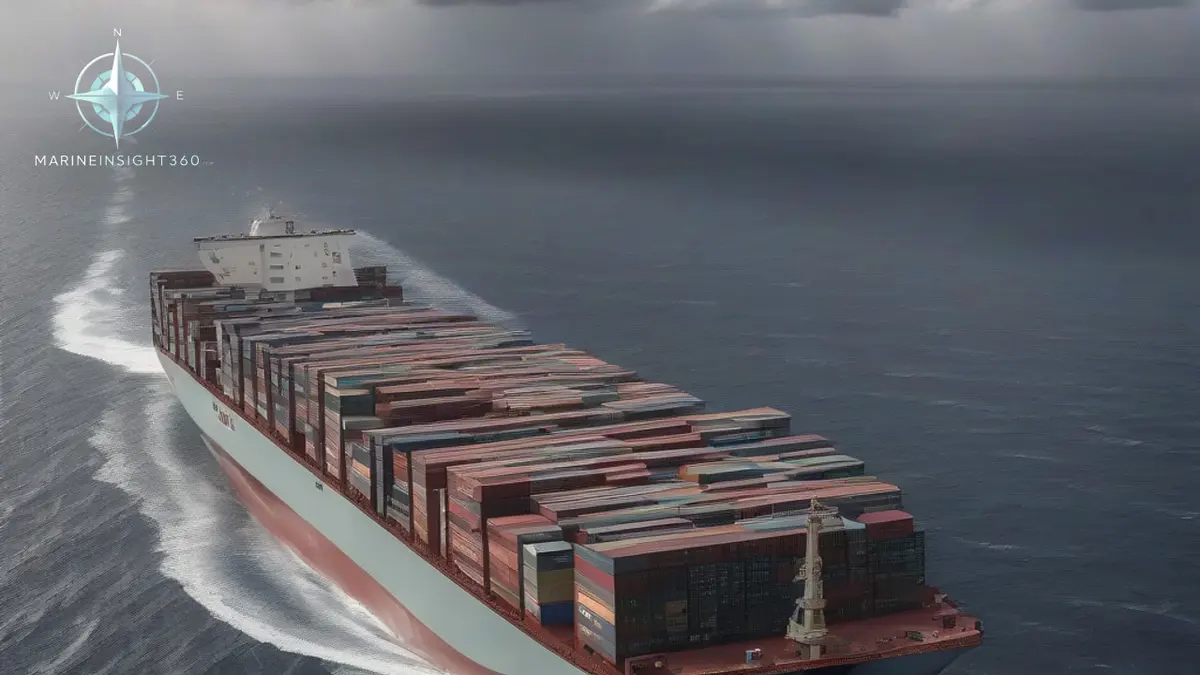
Understanding the Houthi-Al-Shabaab Dynamic in the Red Sea
Recent reports suggest the Houthi movement in Yemen has allegedly provided support to Al-Shabaab militants in Somalia. While the scale of this cooperation remains limited, the implications for Red Sea shipping are significant. This collaboration highlights a growing regional security risk that maritime professionals must monitor closely.
Key Concerns for Shipping Operations
The Red Sea corridor is a critical artery for global trade, with over 10% of global shipping transiting the region annually. The potential for coordinated attacks between Houthi and Al-Shabaab groups introduces new risks:
- Increased piracy threats: Al-Shabaab’s history of coastal attacks combined with Houthi capabilities could lead to more sophisticated asymmetric warfare tactics.
- Disrupted routing: Vessel operators may face mandatory detours, increasing transit times and fuel costs by 15-20% in worst-case scenarios.
- Security protocol adjustments: Ships transiting the Bab-el-Mandeb Strait may require enhanced onboard security measures, including armed guards.
Operational Implications for Seafarers
For crew members and ship operators, the evolving threat landscape demands proactive preparedness:
- Review and update ship security plans to address potential coordinated attacks.
- Monitor official advisories from maritime authorities like the UK MCA and USCG.
- Ensure crew training includes scenarios involving multiple hostile groups operating in tandem.
Strategic Considerations for Shipping Companies
Maritime businesses should evaluate risk mitigation strategies, including:
- Revising insurance coverage for expanded threat zones.
- Collaborating with regional naval task forces for convoy protection.
- Investing in real-time threat monitoring systems for route planning.
Next Steps for Maritime Professionals
Stay informed through official channels while maintaining operational readiness. For detailed guidance on maritime security protocols, consult the Marine Insight 360 Knowledge Base section on ship security measures.
Why this matters
Red Sea Shipping matters because maritime decisions rarely sit in one department. A route story may affect insurance, crew planning and cargo timing. A machinery topic may affect maintenance, safety permits and spare-part planning. A career question may affect training, documents and joining readiness.
For readers in the United States, United Kingdom, Europe, Canada, Australia, Singapore and other mature maritime markets, the useful angle is practical: what changes, what remains uncertain, and which checks should happen before a decision is made.
Operational context
In daily maritime work, red sea shipping should be compared with vessel type, flag requirements, company procedures, port expectations, cargo risk and crew competence. The same topic can look different on a container ship, bulk carrier, tanker, offshore vessel, training ship or shore-side logistics desk.
That is why this article avoids treating the subject as a standalone headline. It connects the issue with the checks that cadets, officers, ratings, recruiters and maritime students can use when reading a report, preparing for a voyage, reviewing a procedure or planning a career step.
Checks for readers
- Identify whether the topic affects safety, compliance, maintenance, navigation, cargo, careers or commercial planning.
- Confirm the latest company procedure, official notice, training requirement or port instruction before acting.
- Separate background context from instructions that require a qualified officer, engineer, surveyor or shore-side approval.
- Use related Marine Insight 360 pages to build a stronger topic cluster instead of reading one article in isolation.
Evidence and trust signals
A useful maritime article should show where the reader needs evidence, even when the page is an explainer rather than a breaking-news report. Look for dates, vessel context, source attribution, regulatory references, equipment details, route names, job requirements or operational constraints that can be verified.
When evidence is missing or the situation is changing, treat the article as a starting point. For safety-critical, legal, medical, immigration, training or commercial decisions, confirm the details through official channels and qualified professionals.
Common mistakes to avoid
The most common mistake is using a single headline or general article as if it were a vessel-specific instruction. A second mistake is ignoring geography, flag state, ship type, cargo type or rank. A third is missing the difference between background knowledge and a procedure that must be approved onboard or ashore.
Readers should also avoid comparing markets too loosely. Requirements and expectations in the United States, United Kingdom, Australia, Canada, Singapore and Europe can differ from other regions, especially in careers, port compliance, insurance and safety reporting.
How to use this guide
Use this guide to frame the right questions before going deeper. If red sea shipping affects your vessel, crew, course, job application, port call, cargo movement or procurement decision, write down what must be verified, who owns the action and which record proves the answer.
For related reading, continue through the merchant navy career hub and connect this page with nearby topics. Internal linking helps readers move from background context to practical guidance without losing the thread.
Market context for high-compliance maritime regions
For readers in the United States, United Kingdom, Canada, Australia, Singapore and Europe, Emerging Houthi–Al-Shabaab co-operation and the growing threat to Red Sea shipping should be compared with ports, cargo owners, ship managers, charterers, insurers and route-risk teams. The same maritime topic can have different practical meaning under USCG, MCA, Transport Canada, AMSA, MPA Singapore and European authority expectations.
Use the market links below to connect the article with regional trade exposure, port activity, shipping jobs and commercial maritime demand.


