German Seaports Paralyzed by Daylong Strike Over Contract Impasse
A daylong strike at German ports halted cargo movements, delaying vessels and affecting global supply chains. Learn the operational impact and how to respond.
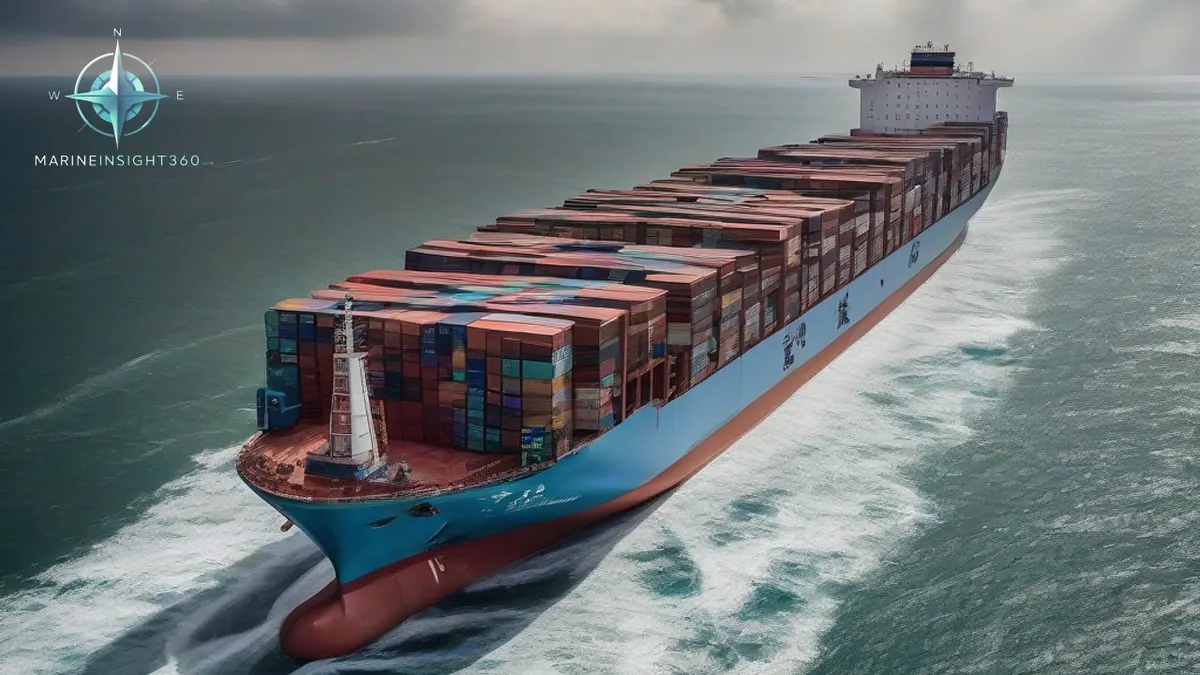
German Seaports Paralyzed by Daylong Strike Over Contract Impasse
German seaports were shut down for a full day after a strike by port workers over a stalled contract negotiation. The walk‑out halted cargo movements, delayed vessel schedules, and forced shipping lines to reroute or delay shipments.
What Happened and Why It Matters
The strike was triggered by a disagreement between the port authorities and the workers’ union over contract terms. The impasse led to a coordinated stoppage of all port operations, including loading, unloading, and terminal services. Shipping companies experienced immediate delays, and the ripple effect reached global supply chains that rely on German ports for transatlantic and intra‑European trade.
Operational Impact on Shipping Lines
Vessel schedules were disrupted, causing berth re‑allocations and increased demurrage costs. Freight forwarders had to find alternative routes, often adding extra transit time and freight charges. Crew members on affected vessels faced extended lay‑overs, impacting crew change plans and onboard welfare.
Decision Criteria for Shipping Companies During Port Strikes
- Assess alternative berths: Identify nearby ports with available capacity and similar cargo handling capabilities.
- Calculate cost implications: Weigh demurrage, fuel, and rerouting costs against the potential delay of the strike.
- Communicate with stakeholders: Keep shippers, agents, and customers informed to manage expectations.
- Monitor strike duration: Coordinate with port authorities and unions for updates on negotiations and potential resolution.
Common Mistakes to Avoid
- Underestimating the strike’s duration and its effect on berth availability.
- Failing to update cargo owners promptly, leading to contractual penalties.
- Neglecting crew welfare during extended lay‑overs, which can affect morale and safety.
Next Steps for Shipping Professionals
Review your vessel’s contingency plans for port strikes and update your risk assessment. For detailed guidance on handling port disruptions, visit Marine Insight 360’s Shipboard Operations section.