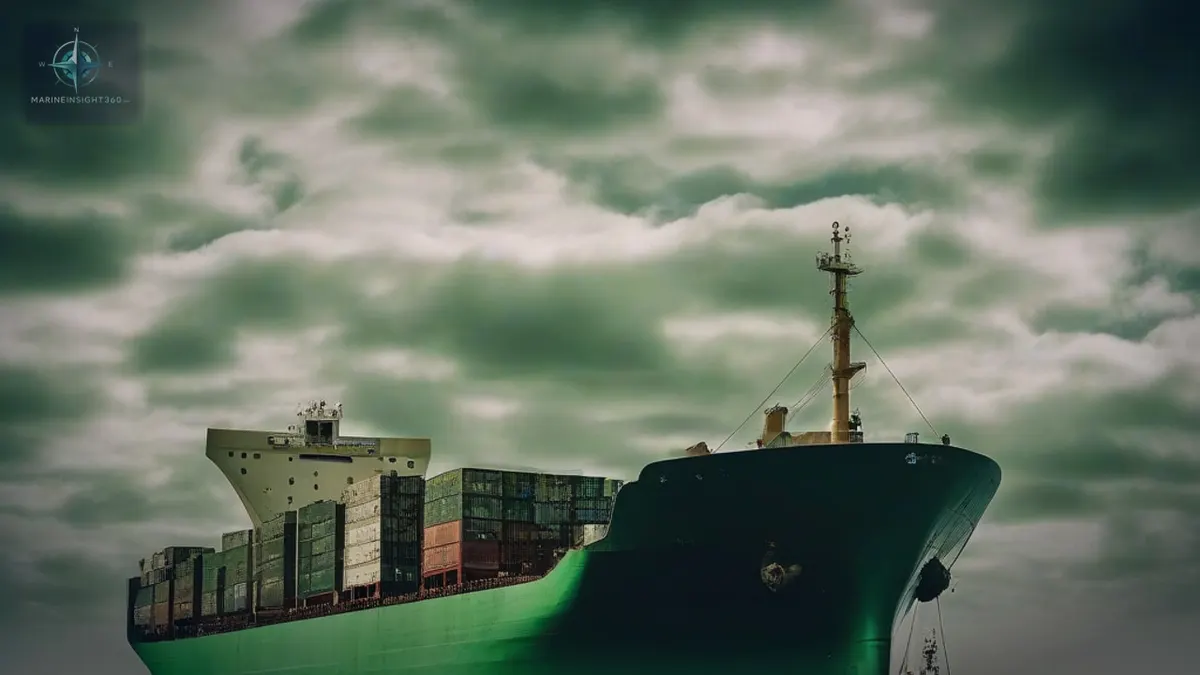
Green Shipping Plan Is Delayed After Trump Backlash
A green shipping plan aimed at cutting vessel emissions has been delayed after backlash from the Trump administration.
The delay and its context
A green shipping plan intended to reduce emissions from ships has been delayed following backlash from the Trump administration. The plan forms part of the broader international effort to cut pollution from maritime transport, which moves the overwhelming majority of world trade and remains a significant emissions source.
The International Maritime Organization has spent years assembling the regulatory scaffolding for cleaner shipping, including the global sulphur cap that took effect in 2020. Measures aimed at greenhouse gases were the next stage, and the delayed plan belongs to that stage.
Politics is now a shipping variable
The episode illustrates something fleet planners already price in: environmental regulation of shipping is exposed to political cycles in major states. A rule's timetable can stretch or compress depending on which government sits at the table, even when the underlying framework is multilateral.
For owners weighing investments, delay cuts both ways. It relieves near-term compliance pressure on existing tonnage, but it prolongs uncertainty about which standards a newbuilding ordered today must meet across a 25-year life. Most large owners respond by keeping fuel flexibility in their designs rather than betting on a single regulatory outcome.
What to watch from here
Three signals matter. Whether the delay has a stated end date or is open-ended. Whether other jurisdictions, particularly the EU with its existing shipping measures, proceed independently and create a two-speed compliance map. And whether charterers keep demanding emissions performance commercially even where regulation pauses.
That last force is easy to underestimate. Cargo owners with their own climate commitments increasingly select tonnage on carbon intensity regardless of the regulatory calendar, which means the market can keep moving even when the policy stalls. The industry decarbonizes at the speed of its most demanding customers, not its slowest regulator.
The quiet casualty of delay is fuel supply. Producers weighing investments in green methanol, ammonia and similar fuels need confident demand forecasts to commit capital, and a stalled regulatory timetable pushes those decisions out in turn. Ships can be built fuel-ready faster than fuels can be scaled, so every pause on the policy side lengthens the queue on the supply side, and the industry inherits the wait at both ends.
The wider stakes
Why give this sustainability story attention? Because in shipping a single event ripples outward, to owners, cargo interests, insurers, ports and crews, faster than the first report suggests.
What matters is separating the confirmed facts from the knock-on effects on cost, routing, compliance and hiring.
How it plays out in practice
The practical footprint of a sustainability story reaches schedules, insurance clauses, crew briefings and procurement. Knowing which desk owns the response is half the work.
And because reporting evolves, weigh it against authoritative sources, regulators, class societies and port authorities, before it drives a decision.
What comes next
- Follow-up notices from port, flag or class bodies.
- Effects on chartering decisions, crewing demand or compliance workload.
- Whether the story escalates beyond its first market.
- New detail that firms up or scales back the initial account.
Reading it right
The honest way to use this decarbonisation story is to ask what, if anything, it changes for you: a route, a cost, a certificate, a hiring plan. Where the answer is nothing, it is background; where it is something, verify it before you rely on it.