
Hormuz closure amplifies Turkish sphere of influence in Eurasia
Hormuz closure amplifies Turkish sphere of influence in Eurasia: ports, trade and shipping-market context for US, UK, Canada, Australia, Singapore and...
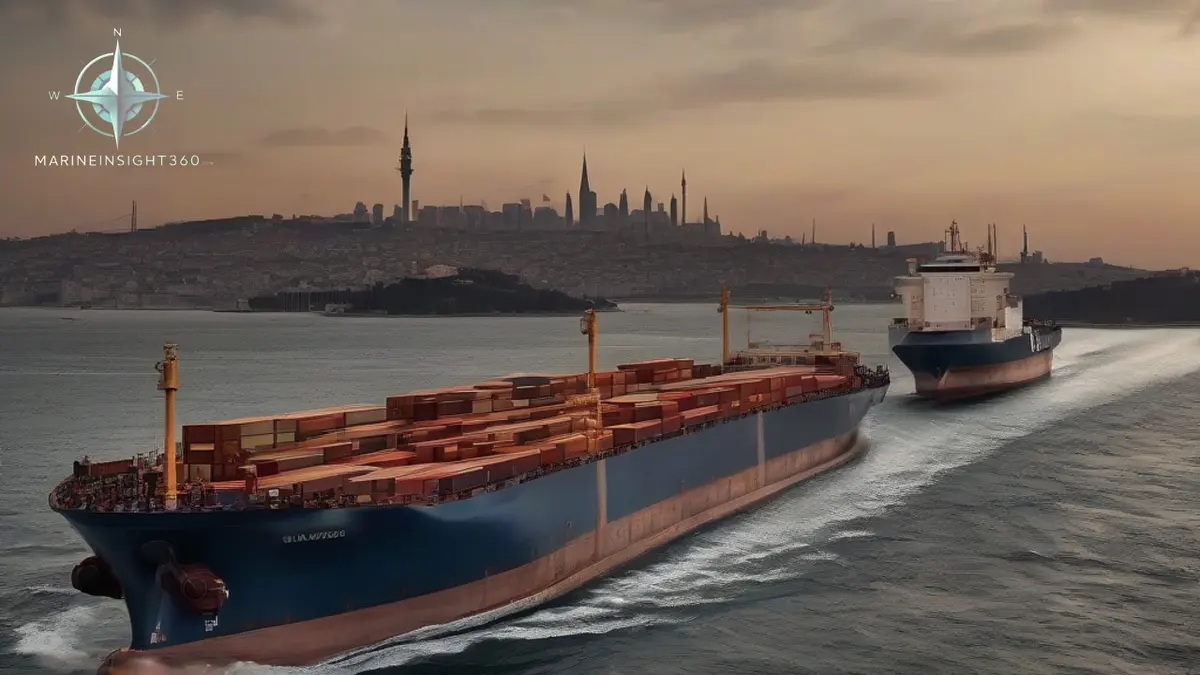
Hormuz Closure Amplifies Turkish Sphere is the focus of this article because it connects marine engineers, engine ratings and technical managers with the wider question behind Hormuz closure amplifies Turkish sphere of influence in Eurasia.
Hormuz Closure and Its Ripple Effect on Eurasian Trade
The recent shutdown of the Strait of Hormuz has forced shipping companies to rethink routes, insurance, and cost structures. The closure also signals a shift in geopolitical influence, giving Turkey a larger role in Eurasian trade corridors.
Why the Strait Matters
The Strait of Hormuz is one of the world’s most critical energy chokepoints. Roughly 20% of global oil passes through its narrow waters. When the strait is closed, the flow of energy and goods is disrupted, affecting markets and shipping schedules worldwide.
Immediate Consequences for Shipping
With the strait virtually shut, shipping and insurance costs have risen sharply. Oil prices have also climbed, adding further pressure on freight rates. These changes are felt most acutely in Asia, where many economies depend on the steady flow of oil and goods through Hormuz.
Turkey's Emerging Role
Turkey has positioned itself as a key transit hub in the new landscape. The closure has accelerated the development of two commercial corridors that bypass the Persian Gulf, allowing vessels to skirt the strait entirely. This shift gives Turkey strategic autonomy in Eurasian trade and expands its sphere of influence across the region.
What Seafarers, Cadets, and Shipping Professionals Need to Know
- Route Planning – New routes must be charted to avoid the strait. Consider the additional distance, fuel consumption, and port call times when calculating voyage costs.
- Insurance Coverage – Higher insurance premiums reflect the increased risk of longer voyages and potential geopolitical disruptions. Review your coverage to ensure it aligns with the new routes.
- Cost Management – Rising freight rates and oil prices can erode margins. Look for ways to optimize fuel usage and negotiate better terms with carriers.
- Regulatory Compliance – Keep abreast of any new maritime regulations or sanctions that may arise from the shift in trade routes.
- Training and Preparedness – Cadets should study the new corridors and understand the geopolitical context. Seafarers should be prepared for longer voyages and potential delays.
Strategic Decision-Making in a Shifting Landscape
Shipping companies must weigh the trade-offs between longer routes and higher costs versus the risk of staying in a congested or politically unstable area. Decision criteria include:
- Fuel consumption versus route length
- Insurance premium changes
- Potential delays at alternate ports
- Impact on delivery schedules and customer commitments
- Long‑term strategic positioning in Eurasian trade networks
Understanding these factors helps operators make informed choices that balance profitability with risk mitigation.
Next Steps
For seafarers and shipping professionals, the immediate action is to review current voyage plans and adjust them to the new corridors. Cadets should incorporate this scenario into their training modules, focusing on geopolitical risk assessment and route optimization. To stay ahead, consult Marine Insight 360’s Shipboard Operations section for detailed guidance on navigating altered trade routes.
Why this matters
Hormuz Closure Amplifies Turkish Sphere matters because maritime decisions rarely sit in one department. A route story may affect insurance, crew planning and cargo timing. A machinery topic may affect maintenance, safety permits and spare-part planning. A career question may affect training, documents and joining readiness.
For readers in the United States, United Kingdom, Europe, Canada, Australia, Singapore and other mature maritime markets, the useful angle is practical: what changes, what remains uncertain, and which checks should happen before a decision is made.
Operational context
In daily maritime work, hormuz closure amplifies turkish sphere should be compared with vessel type, flag requirements, company procedures, port expectations, cargo risk and crew competence. The same topic can look different on a container ship, bulk carrier, tanker, offshore vessel, training ship or shore-side logistics desk.
That is why this article avoids treating the subject as a standalone headline. It connects the issue with the checks that marine engineers, engine ratings and technical managers can use when reading a report, preparing for a voyage, reviewing a procedure or planning a career step.
Checks for readers
- Identify whether the topic affects safety, compliance, maintenance, navigation, cargo, careers or commercial planning.
- Confirm the latest company procedure, official notice, training requirement or port instruction before acting.
- Separate background context from instructions that require a qualified officer, engineer, surveyor or shore-side approval.
- Use related Marine Insight 360 pages to build a stronger topic cluster instead of reading one article in isolation.
For related equipment checks and troubleshooting guides, continue with the marine machinery knowledge base.
Market context for high-compliance maritime regions
For readers in the United States, United Kingdom, Canada, Australia, Singapore and Europe, Hormuz closure amplifies Turkish sphere of influence in Eurasia should be compared with ports, cargo owners, ship managers, charterers, insurers and route-risk teams. The same maritime topic can have different practical meaning under USCG, MCA, Transport Canada, AMSA, MPA Singapore and European authority expectations.
Use the market links below to connect the article with regional trade exposure, port activity, shipping jobs and commercial maritime demand.


