
How Hormuz tensions are reshaping Indian Ocean geopolitics
How Hormuz tensions are reshaping Indian Ocean geopolitics: safety, training and compliance context for US, UK, Canada, Australia, Singapore and...
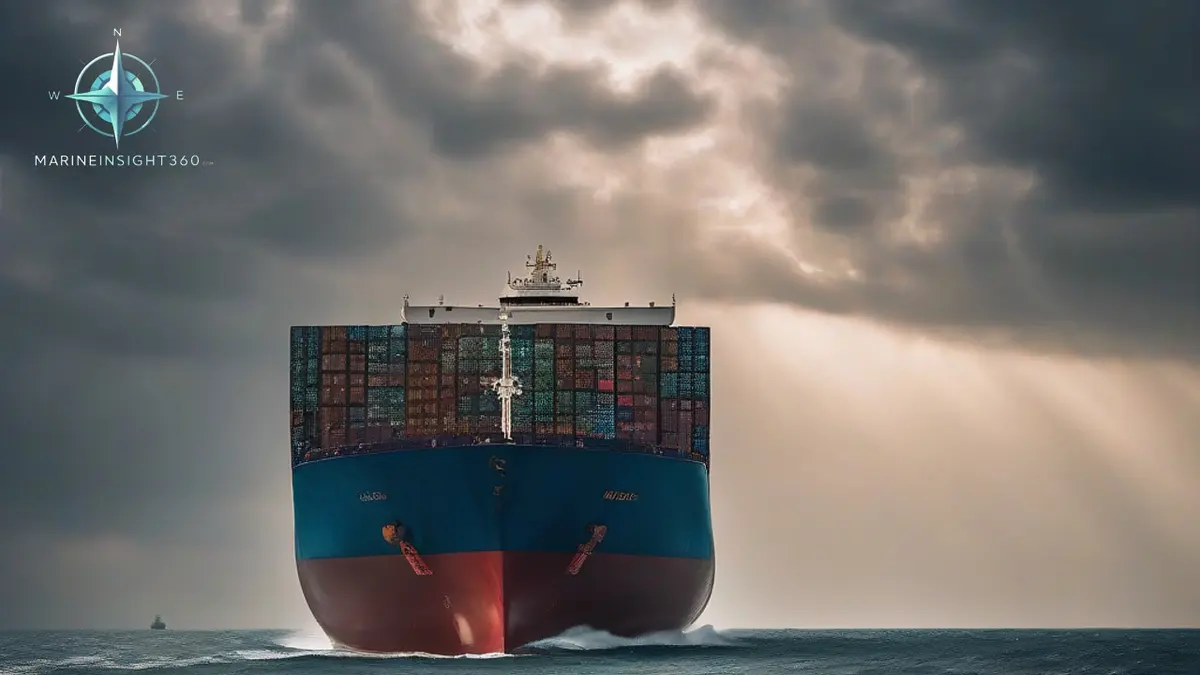
How Hormuz tensions are reshaping Indian Ocean geopolitics
When the Strait of Hormuz sees a flare‑up, the ripple reaches the Indian Ocean’s shipping lanes, India’s energy supply, and the daily routines of seafarers. Understanding the stakes helps operators plan safer routes, manage costs, and protect crews.
Why the Strait matters
The Strait of Hormuz is a narrow waterway that connects the Persian Gulf to the Arabian Sea. It is the world’s most important energy chokepoint. More than two‑thirds of India’s oil imports transit the strait, making the country’s fuel security directly tied to its calmness.
Historically, the Portuguese seized Hormuz to control maritime commerce in the Indian Ocean. That legacy underscores the strait’s long‑standing strategic value.
Current tensions and the shipping crisis
Recent military tensions involving Iran have tightened the strait’s security environment. The conflict has disrupted global trade routes and exposed a looming shortage of strategic minerals, as the shipping crisis in the Strait of Hormuz shows. Nearly all of Iran’s oil exports move by sea from Kharg Island, its primary oil terminal in the Gulf.
When the strait’s flow is threatened, Asian states feel the brunt. A potential closure would disproportionately affect their economies, given their reliance on the corridor for energy and raw materials.
Implications for shipping operators
Route planning and risk assessment
Operators should monitor intelligence on strait conditions and maintain alternative routing plans. A delay of even a few hours can cascade into schedule slippage and higher fuel costs. Diversifying routes may add distance but can reduce exposure to sudden blockages.
Insurance and liability considerations
Insurance premiums often rise when a vessel’s route passes through high‑risk chokepoints. Operators must weigh the cost of higher coverage against the risk of a strait closure. A clear risk register helps justify the expense to stakeholders.
Crew safety and communication protocols
Seafarers on vessels that routinely transit the Hormuz should receive updated training on emergency procedures specific to chokepoint navigation. Regular drills, clear communication channels with shore authorities, and real‑time updates from maritime security services are essential.
Common mistakes to avoid
- Assuming the strait will remain open without contingency plans.
- Underestimating the time required to reroute and the associated fuel burn.
- Neglecting to update crew on evolving security advisories.
Edge cases for smaller vessels
Charterers of smaller tankers or cargo ships may find alternative routes less costly in distance but more expensive in fuel due to increased speed requirements. A cost‑benefit analysis that includes fuel, crew hours, and insurance is crucial.
Decision criteria for operators
When deciding whether to transit the Hormuz, consider:
- Current security assessment – rely on official advisories and real‑time intelligence.
- Alternative route feasibility – evaluate distance, fuel consumption, and port availability.
- Insurance impact – compare premium adjustments against potential loss exposure.
- Crew readiness – ensure training and communication systems are up to date.
These criteria help operators balance safety, cost, and schedule integrity.
What this means for the crew on board
For seafarers, the key takeaways are:
- Stay informed about strait conditions through official briefings.
- Participate in drills that simulate a sudden route change.
- Maintain clear communication with the bridge and shore support.
- Understand how a strait closure could affect the ship’s schedule and cargo handling.
Prepared crews reduce the risk of accidents and ensure smoother operations during uncertain times.
Next steps for seafarers and shipping professionals
To deepen your understanding of how Hormuz tensions affect your operations, consult the Marine Insight 360 Knowledge Base. It offers detailed risk assessment tools, up‑to‑date security advisories, and best‑practice guides for navigating high‑risk chokepoints.
Why this matters
Reshaping Indian Ocean Geopolitics matters because maritime decisions rarely sit in one department. A route story may affect insurance, crew planning and cargo timing. A machinery topic may affect maintenance, safety permits and spare-part planning. A career question may affect training, documents and joining readiness.
For readers in the United States, United Kingdom, Europe, Canada, Australia, Singapore and other mature maritime markets, the useful angle is practical: what changes, what remains uncertain, and which checks should happen before a decision is made.
Operational context
In daily maritime work, reshaping indian ocean geopolitics should be compared with vessel type, flag requirements, company procedures, port expectations, cargo risk and crew competence. The same topic can look different on a container ship, bulk carrier, tanker, offshore vessel, training ship or shore-side logistics desk.
That is why this article avoids treating the subject as a standalone headline. It connects the issue with the checks that marine engineers, engine ratings and technical managers can use when reading a report, preparing for a voyage, reviewing a procedure or planning a career step.
For related equipment checks and troubleshooting guides, continue with the marine machinery knowledge base.
Market context for high-compliance maritime regions
For readers in the United States, United Kingdom, Canada, Australia, Singapore and Europe, How Hormuz tensions are reshaping Indian Ocean geopolitics should be compared with safety management, crew training, inspections, PPE, emergency readiness and employer duties. The same maritime topic can have different practical meaning under USCG, MCA, Transport Canada, AMSA, MPA Singapore and European authority expectations.
Use the market links below to connect the article with local compliance, port-state, training and safety expectations in high-value maritime regions.


