How the MV Estonia Disaster Reshaped Passenger Ship Safety
How the development affects maritime stakeholders The MV Estonia disaster led to major changes in passenger ship safety.
The MV Estonia disaster, the 1994 Baltic Sea ferry sinking that killed 852 people after the bow door failed and flooded the car deck, is why SOLAS passenger ship safety and design rules were tightened.
MV Estonia disaster reshaped passenger ship safety.
How the development affects maritime stakeholders
The MV Estonia disaster led to major changes in passenger ship safety. On September 28, 1994, the ferry sank in the Baltic Sea, resulting in the loss of 852 lives. This tragedy prompted a thorough investigation into the cause of the accident. The investigation found that the bow door of the ship had failed, causing water to flood the car deck.
The International Maritime Organization (IMO) took immediate action to prevent such disasters from happening again. New safety regulations were implemented, including changes to the design and construction of passenger ships. The IMO also updated the Safety of Life at Sea (SOLAS) convention to include stricter safety standards for passenger ships. These changes have had a lasting impact on the maritime industry, particularly for ships operating on busy trade routes such as the Baltic Sea.
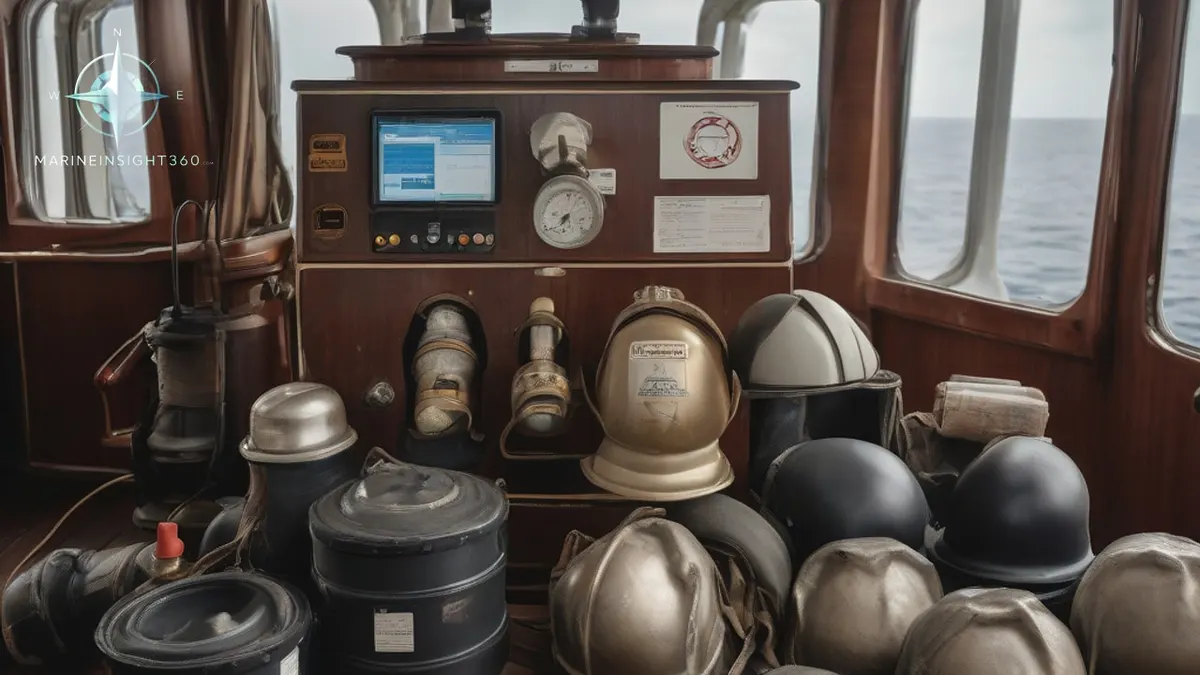
The MV Estonia disaster also led to improvements in safety equipment and procedures. Ships are now required to have enhanced life-saving appliances, such as life rafts and emergency beacons. Crew training has also been improved, with a focus on emergency preparedness and response. These changes have been implemented across the global fleet, including ferries, cruise ships, and other passenger vessels.
The maritime industry has learned valuable lessons from the MV Estonia disaster. The changes implemented as a result of this tragedy have improved safety standards for passenger ships, reducing the risk of similar accidents occurring in the future. This matters to the industry because safety is a top priority for shipowners, operators, and regulators, and the lessons learned from the MV Estonia disaster continue to shape safety policies and practices today.
Where to go from here
Turn a safety development into action by tracing it to the original source, flagging the teams it affects, and revisiting the plans, routing, budgets, crewing, it could disturb.
What it means for the major markets
For operators and jobseekers in the US, UK, Europe, Singapore, Canada and Australia, the relevance of this safety story is in the detail behind the headline, what it changes for the trades and rules that market runs on.
Why it's on our radar
How the MV Estonia Disaster Reshaped Passenger Ship Safety earns coverage because its effects seldom stop at the headline; safety news like this lands on operators, charterers, insurers and seafarers together.
For readers across the major maritime markets, the value is practical: what shifts, what to verify, and which decisions it touches.
The operational read
For operators, this safety development can touch routing, cost, charter terms and onboard routines. The useful step is to map it to the teams it affects.
Treat the first report as a starting point and verify the specifics against official and company sources.
Keep an eye on
- Whether authorities or companies publish concrete follow-up.
- Any repricing of insurance, freight or compliance cost.
- Spread from a local issue to wider trades and fleets.
- Evidence that confirms, or trims, the early reporting.
Reading it right
The honest way to use this safety story is to ask what, if anything, it changes for you: a route, a cost, a certificate, a hiring plan. Where the answer is nothing, it is background; where it is something, verify it before you rely on it.