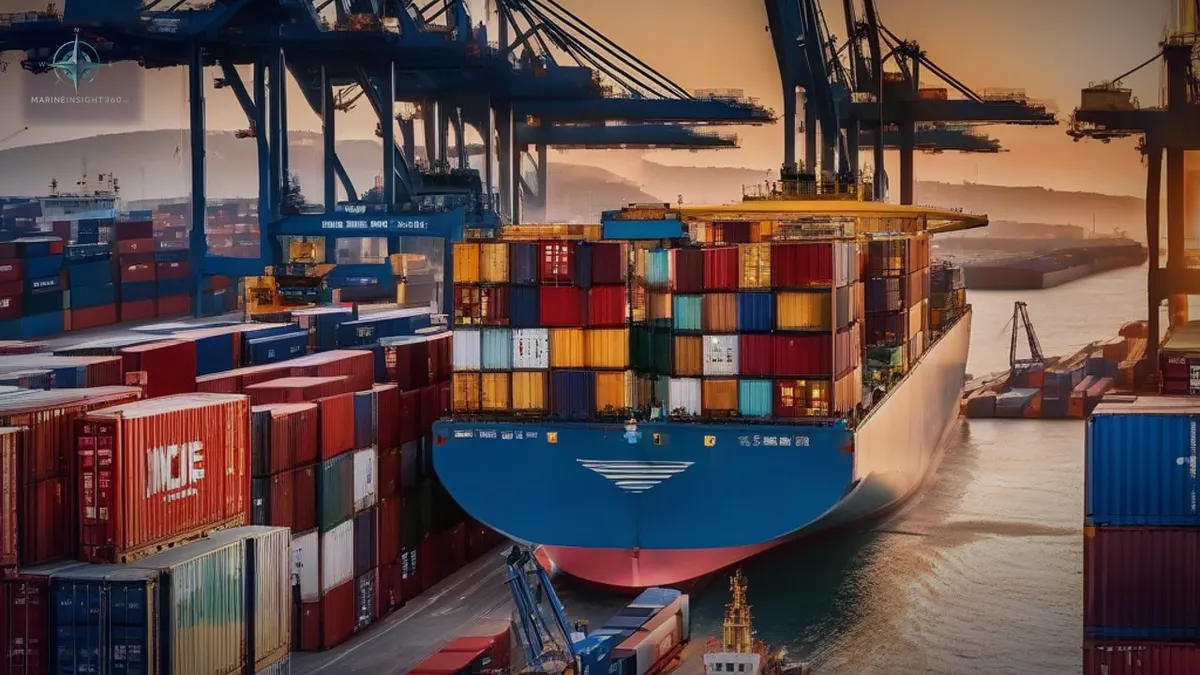
Hybrid energy vessel carrying over 2,000 EVs docks at Karachi Port
Grande Shanghai combines clean energy technology with Pakistan's first-ever RoRo electric vehicle shipment.
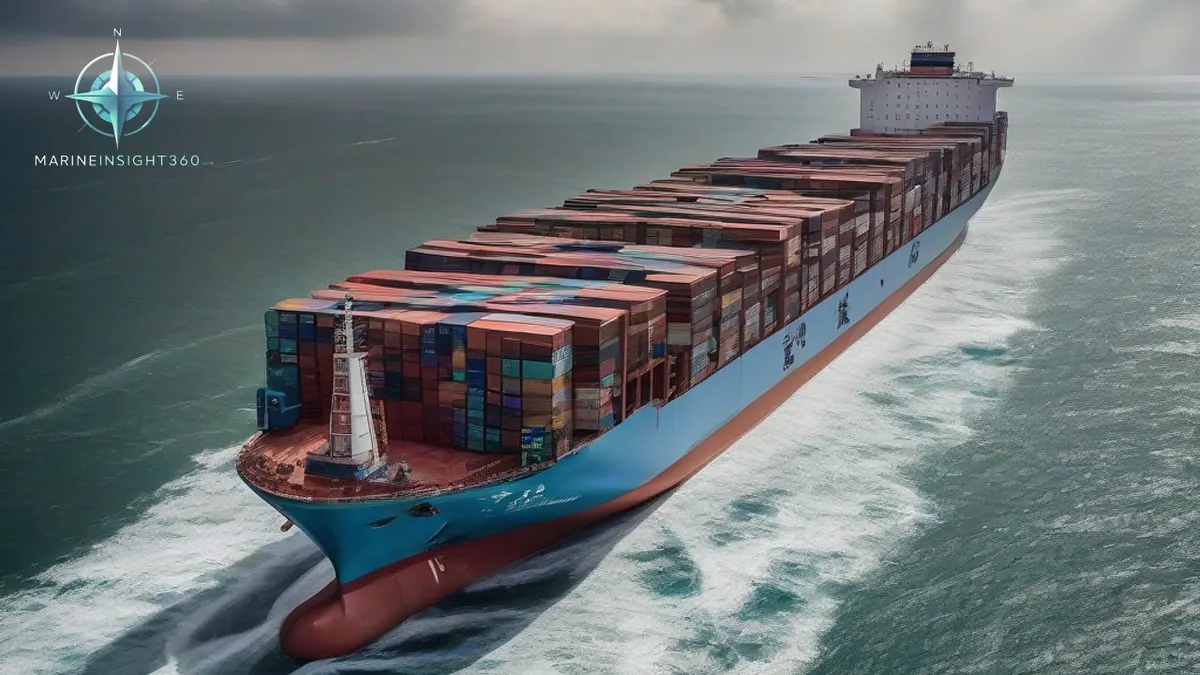
Karachi Port Docks First RoRo Vessel with 2,000 EVs
MV Grande Shanghai has become the first roll‑on/roll‑off (RoRo) ship to bring more than 2,000 electric vehicles (EVs) into Pakistan, marking a milestone for the country’s green logistics and for the global shipping community. The vessel also carried 171,951 cubic metres of liquefied natural gas (LNG), the largest LNG cargo ever handled at the Port of Karachi’s PGPCL terminal.
Why Karachi Port Became a Milestone for EV Shipping
Karachi Port Trust (KPT) handled the first commercial shipment of BYD EVs from China, a move that demonstrates the port’s expanding capacity to support high‑volume, high‑value cargoes. Maritime Affairs Minister Junaid Chaudhry highlighted the event as a sign of Pakistan’s commitment to sustainable transport. For operators, the port’s KICT/KGTML terminal now offers a proven pathway for large RoRo consignments, reducing the need for transshipment and lowering overall transit times.
Hybrid Energy Vessel Design and Cargo Capacity
MV Grande Shanghai is a hybrid‑powered vessel with a beam of 47.8 m, giving it ample deck space for vehicle stowage. Its design allows it to switch between LNG and conventional fuels, cutting emissions and fuel costs. The ship’s 171,951 cubic metres of LNG cargo set a new benchmark for the PGPCL terminal, proving that large LNG loads can be integrated with vehicle transport without compromising safety or schedule.
Key Decision Criteria for Shipping EVs via RoRo
- Vehicle weight and dimensions – EVs are heavier than internal combustion cars; the vessel’s deck layout must accommodate the increased load without exceeding structural limits.
- Battery safety – Proper segregation, ventilation, and fire‑suppression systems are mandatory to mitigate the risk of thermal runaway.
- Securing procedures – Robust lashing and tie‑down plans prevent vehicle movement during rough seas, protecting both cargo and crew.
- Port infrastructure – Adequate gantry cranes, roll‑barriers, and charging facilities are required for efficient loading and unloading.
- Regulatory compliance – Compliance with IMO’s MSC 2020 sulphur cap and the International Maritime Organization’s guidelines for hazardous cargoes is essential.
Operational Challenges of RoRo EV Shipments
While RoRo offers speed and cost advantages over containerised transport, it introduces unique risks. Battery‑laden vehicles can generate heat; inadequate ventilation can lead to hazardous atmospheres. A common mistake on board is under‑securing vehicles, which can cause damage during roll‑overs or high‑wave conditions. Crew training on battery handling and emergency response is therefore critical.
Trade‑Offs: RoRo vs. Containerised Transport
- Speed – RoRo typically reduces port turnaround by 30–40 % compared with container loading.
- Cost – Lower handling fees and no need for specialized container equipment can cut freight costs.
- Risk – Higher fire risk from batteries and the need for specialized crew training.
- Flexibility – Containers can be transferred between vessels, while RoRo cargo is tied to a single ship.
Implications for Shipping Operators and Port Authorities
Operators must evaluate whether the vessel’s hybrid propulsion offers a tangible fuel‑cost advantage over traditional LNG carriers. For ports, the arrival of a high‑volume EV shipment signals the need to upgrade safety protocols, install dedicated charging bays, and train stevedores in battery handling. The Karachi Port Trust’s successful handling of the BYD consignment sets a precedent that other ports can emulate.
Cost and Time Factors
- Fuel savings – Hybrid engines can reduce fuel consumption by up to 15 % on long voyages.
- Port fees – RoRo vessels often pay lower berth fees due to shorter loading times.
- Customs clearance – Dedicated EV customs procedures can expedite clearance, cutting lay‑over by 12 h.
Future Outlook for EV Logistics
The successful deployment of MV Grande Shanghai demonstrates that large‑scale EV shipments via RoRo are feasible and economically viable. As global demand for electric mobility rises, ports that can accommodate hybrid vessels and battery‑laden cargoes will gain a competitive edge. Shipping lines should consider integrating hybrid propulsion into their fleets and developing specialized training for crews handling high‑voltage vehicles.