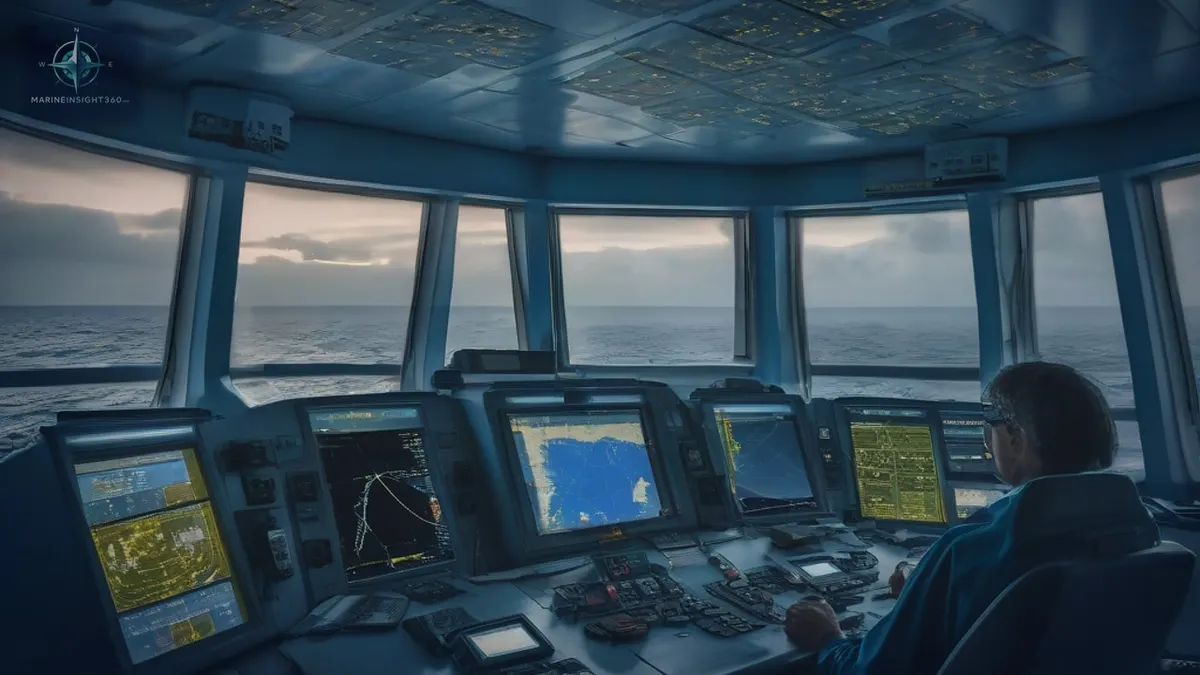
IMO announces evacuation plan in the Strait of Hormuz
IMO announces evacuation plan in Strait of Hormuz The International Maritime Organization has announced an evacuation plan for the Strait of Hormuz.
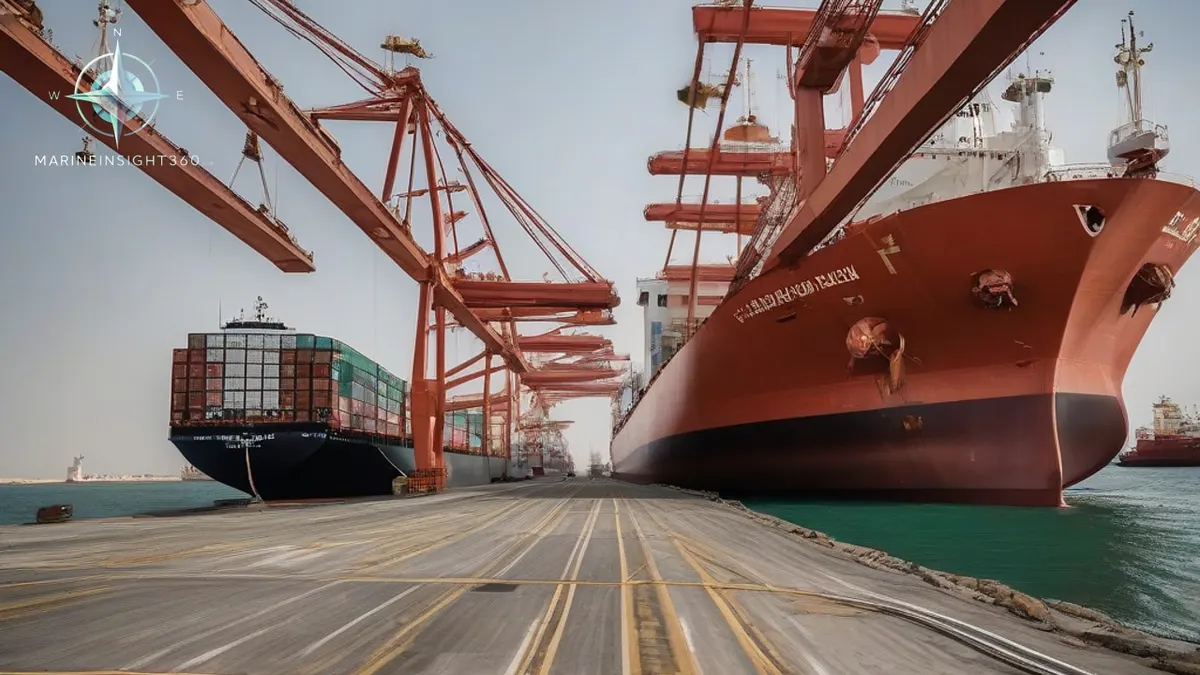
IMO announces evacuation plan in Strait of Hormuz
The International Maritime Organization has announced an evacuation plan for the Strait of Hormuz. This plan is designed to ensure the safe evacuation of crew members from ships in distress in this critical waterway. The Strait of Hormuz is a vital trade route, with a large volume of oil tankers and cargo ships passing through it every day.
The evacuation plan is part of the IMO's efforts to enhance safety and security in the region. The IMO has been working closely with member states and other stakeholders to develop procedures for emergency situations. The plan takes into account the specific challenges of the Strait of Hormuz, including its narrow width and high volume of traffic. Ships operating in this region must comply with SOLAS regulations, which require them to have emergency evacuation procedures in place.
The IMO's evacuation plan will provide a framework for ships to follow in emergency situations. This will help to minimize the risk of accidents and ensure that crew members can be evacuated quickly and safely. The plan will also help to reduce the risk of environmental damage, by ensuring that ships can be evacuated and repaired quickly. The IMO will continue to monitor the situation in the Strait of Hormuz and update the evacuation plan as necessary.
The IMO's evacuation plan is a welcome development for the shipping industry, which has been concerned about safety and security in the region. The plan will help to reassure shipowners and operators that the IMO is taking steps to protect their crews and vessels. This matters to the industry because a safe and secure Strait of Hormuz is essential for the smooth operation of global trade routes.
For the leading markets
Professionals in the world's busiest maritime markets treat a safety development as a data point on trade exposure, port activity and commercial demand, useful only where it touches their own routes and rules.
What readers should watch
Security and route-risk stories can influence voyage planning, war-risk clauses, crew briefings and insurer expectations. Readers should watch for official follow-up, company confirmation and any change in operational guidance before treating early details as final.
The wider stakes
Why give this safety story attention? Because in shipping a single event ripples outward, to owners, cargo interests, insurers, ports and crews, faster than the first report suggests.
What matters is separating the confirmed facts from the knock-on effects on cost, routing, compliance and hiring.
How it plays out in practice
The practical footprint of a safety story reaches schedules, insurance clauses, crew briefings and procurement. Knowing which desk owns the response is half the work.
And because reporting evolves, weigh it against authoritative sources, regulators, class societies and port authorities, before it drives a decision.
What comes next
- Follow-up notices from port, flag or class bodies.
- Effects on chartering decisions, crewing demand or compliance workload.
- Whether the story escalates beyond its first market.
- New detail that firms up or scales back the initial account.