Large explosion as MSC container ship struck in the Gulf
The maritime industry has once again been confronted with a stark reminder of the volatile security landscape impacting critical global waterways, following
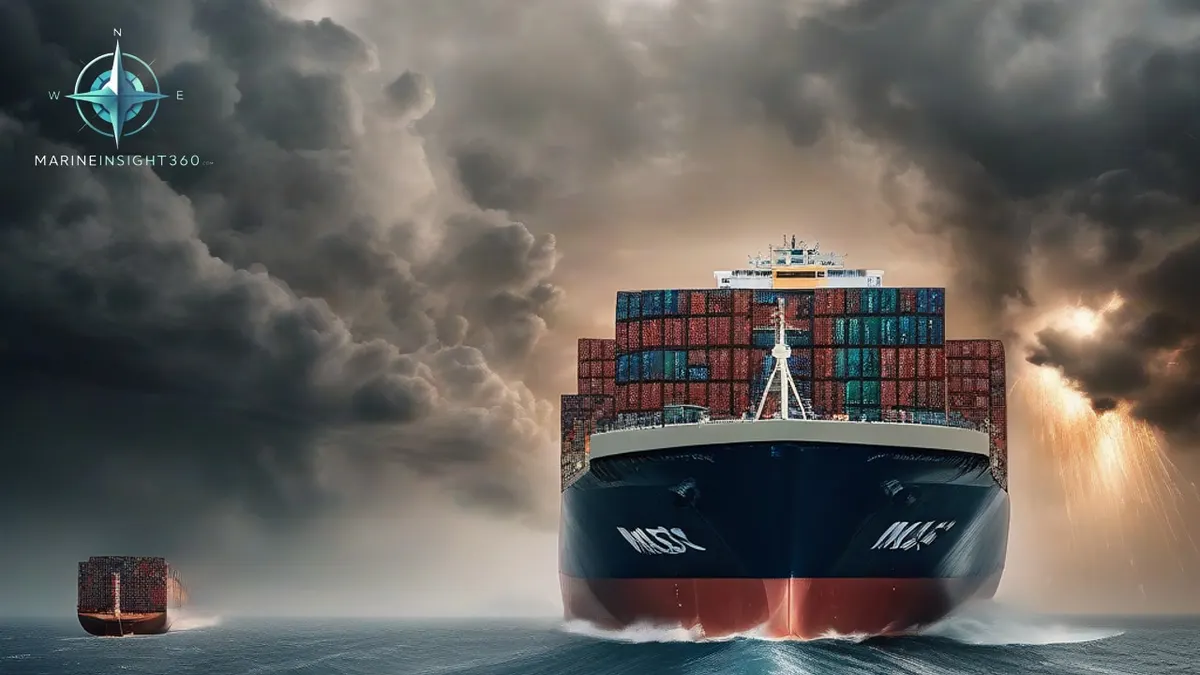
An MSC container ship is reported to have been struck by a large explosion in the Gulf, a corridor carrying much of the world's energy and container traffic, with the cause and any casualties still unconfirmed.
The maritime industry has once again been confronted with a stark reminder of the volatile security landscape impacting critical global waterways, following reports of a large explosion affecting an MSC container ship in the Gulf. This incident, while details are still emerging, immediately brings to the fore the persistent and complex security challenges faced by seafarers, shipowners, and port operators navigating these indispensable regions. It underscores the continuous need for vigilance and robust risk management in an environment where geopolitical tensions can rapidly escalate into direct threats to commercial shipping.
Key facts about Large explosion as MSC container ship struck in the Gulf
The Gulf, encompassing vital maritime choke points such as the Strait of Hormuz, is an indispensable artery for global trade, particularly for energy shipments and the vast container traffic connecting East and West. An MSC vessel, representing one of the world's largest container shipping lines, signifies the broad potential impact such an event can have. The disruption to a major carrier's operations in this strategic locale can reverberate far beyond the immediate incident, affecting meticulously planned supply chains, cargo schedules, and ultimately, consumer markets worldwide.
Incidents of this nature raise profound concerns for the safety and welfare of seafarers, whose lives are directly endangered, and for the integrity of vessels, a fundamental principle enshrined in the International Convention for the Safety of Life at Sea (SOLAS). Shipowners and managers are compelled to rigorously assess and update their security protocols, adhering to the framework provided by the International Ship and Port Facility Security (ISPS) Code. Furthermore, the specter of increased war risk insurance premiums looms, directly impacting operational economics and potentially influencing route choices and the financial viability of certain voyages.
The broader implications extend to the predictability and cost-effectiveness of maritime logistics. Prolonged insecurity in key transit regions can compel rerouting decisions, leading to longer transit times, increased fuel consumption, and potential congestion at alternative ports. This chain reaction disrupts the delicate balance of global trade, adding layers of complexity and cost for all stakeholders. The incident reinforces the critical importance of continuous adherence to established Best Management Practices (BMPs) and ongoing threat assessments by maritime intelligence networks to mitigate these evolving risks.
Ultimately, this event underscores the shared responsibility of flag states, port states, and international bodies like the International Maritime Organization (IMO) in safeguarding maritime commerce and the lives of seafarers. Collaborative intelligence sharing, coordinated naval presence, and a unified international stance against threats to shipping remain critical not only for immediate response but for fostering a more secure and predictable environment for the future of global maritime trade.
The incident highlights the imperative for persistent vigilance and adaptive security strategies across the entire maritime ecosystem to safeguard global commerce and the lives dedicated to it.
Acting on it
The practical follow-through on a safety development is short: confirm, communicate, and reassess any cost, compliance or scheduling call it might change.
Why the big markets care
In the high-volume markets, the US, UK, Europe, Singapore, Canada and Australia, this safety story matters to the extent it moves freight, regulation, hiring or investment in those trades.
Why this counts
Large explosion as MSC container ship struck in the Gulf is worth a pause because maritime stories compound: a single change touches owners, charterers, insurers, ports and crews, and the consequences outlast the news cycle.
Read it for the operational meaning, the decisions it affects and the facts still to be pinned down.