Safety

Maritime safety – who will help if the chain of command fails?

Chain of command fails in maritime safety.

ABB· Jun 9, 2026· 2 min read
Maritime safety – who will help if the chain of command fails?

Maritime safety relies on a clear chain of command to prevent accidents and respond to emergencies. This chain of command is established by international regulations such as those set by the International Maritime Organization (IMO) and the Safety of Life at Sea (SOLAS) convention.

The chain of command typically starts with the ship's master and extends to other crew members, each with their own responsibilities and roles. However, if this chain of command fails, the safety of the ship, its crew, and cargo can be compromised.

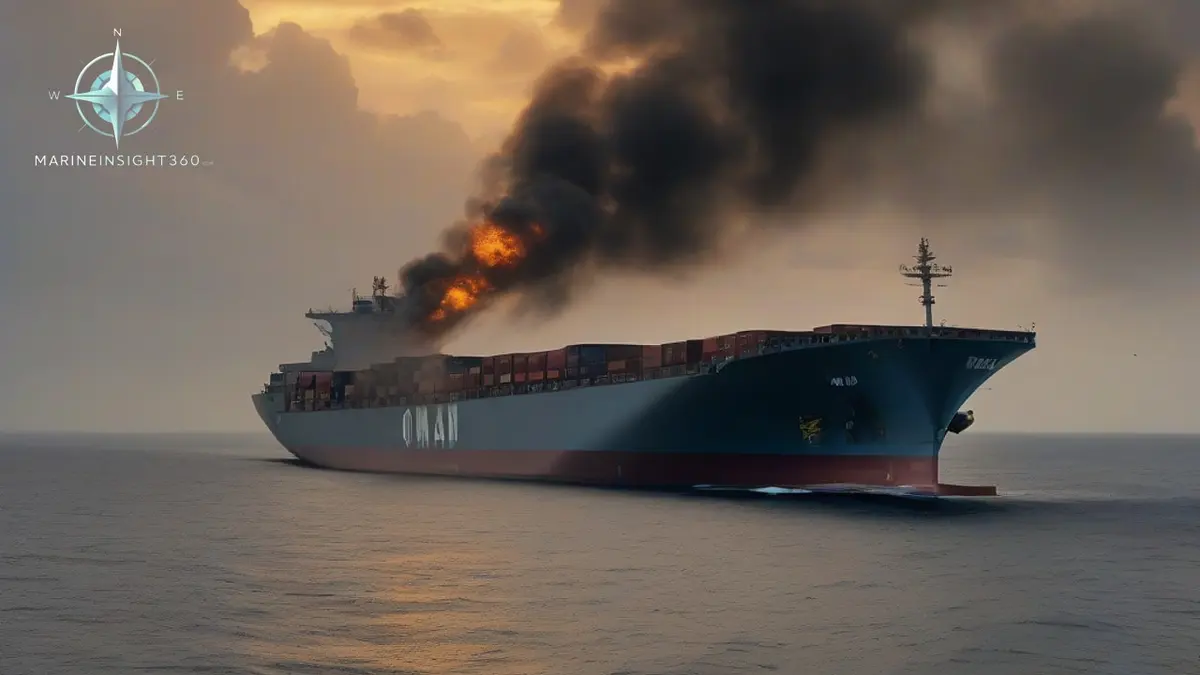
In such situations, external help may be required to prevent or mitigate the consequences of an accident. This help can come from nearby ships, coastal authorities, or emergency response services. The IMO and SOLAS regulations also require ships to have emergency plans in place, which include procedures for responding to accidents and calling for external help when needed.

The effectiveness of these emergency plans and the ability of external services to respond quickly and effectively can be critical in preventing accidents or minimizing their impact. For example, ships operating in busy trade routes such as the English Channel or the Strait of Malacca may have access to a higher level of emergency response services compared to those operating in more remote areas.

This matters to the industry because a failure in the chain of command can have serious consequences for the safety of seafarers, ships, and cargo.

Filed under:Safety

Related Reading