Mediator Pakistan says encouraging US and Iran to resume talks
Discover how Pakistan’s mediation of US‑Iran talks could affect shipping routes, port operations and crew safety across global hubs.
Pakistan Steps In as Mediator Between the US and Iran
Pakistan says it is relaying messages between Washington and Tehran and pressing the US and Iran to resume talks, urging both sides to show restraint under a memorandum of understanding.
How Pakistan’s Mediation Could Influence Shipping Routes
For vessels transiting the Persian Gulf and the Strait of Hormuz, any escalation between the US and Iran can trigger immediate operational risks. A sudden flare‑up could lead to:
- Increased security patrols by naval forces.
- Potential rerouting of ships to avoid the Strait.
- Higher insurance premiums for voyages through the region.
Pakistan’s role as a neutral conduit may reduce the likelihood of a sudden escalation, preserving the status quo for shipping lanes. However, the effectiveness of mediation depends on the willingness of both parties to commit to a ceasefire, which remains uncertain.
Decision Criteria for Shipping Companies
When assessing the impact of geopolitical developments, operators should weigh the following factors:
- Risk of Conflict: Evaluate the probability of hostilities escalating into naval engagements that could threaten vessels.
- Regulatory Environment: Monitor any new sanctions or maritime restrictions imposed by the US or Iran that could affect port access or cargo handling.
- Insurance Coverage: Review policy clauses that cover war risk and determine whether additional coverage is required.
- Crew Safety: Consider the safety of crew members in the event of an incident, especially for ships with mixed nationalities.
These criteria help operators decide whether to maintain current routes, seek alternative passages, or adjust cargo loads.
Common Mistakes and Trade‑Offs
Shipping professionals often fall into two pitfalls during geopolitical crises:
- Underestimating the Speed of Change: Treating diplomatic developments as static can lead to outdated route plans. Regularly update risk assessments as new statements from Pakistan or other mediators emerge.
- Overreliance on a Single Channel: Assuming that Pakistan’s mediation alone will prevent conflict ignores the complex web of alliances and interests. Diversify contingency plans across multiple routes.
Trade‑offs include balancing the cost of detours against the potential loss of cargo value or time. A detour may add days to a voyage but could save a ship from a dangerous confrontation.
Operational Impact for Crew and Port Operators
For crew members, the primary concern is safety. In the event of heightened tensions, crews may face:
- Increased surveillance by naval vessels.
- Mandatory changes to navigation plans.
- Potential delays at ports due to security checks.
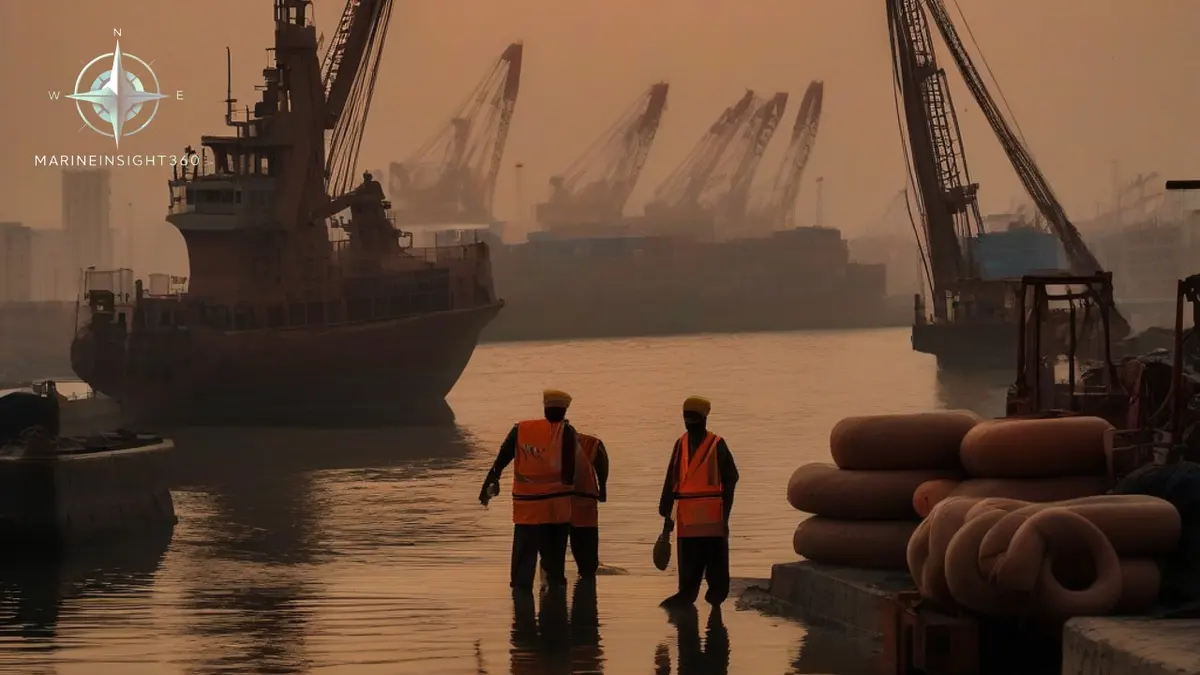
Port operators should prepare for sudden shifts in traffic patterns. Ports that previously handled high volumes of traffic through the Strait may see a temporary decline, affecting revenue streams and staffing needs.
What Shipping Professionals Can Do Now
1. Update Risk Profiles: Use the latest statements from Pakistan, the US, and Iran to refresh your risk matrices.
2. Engage with Insurance Providers: Confirm coverage for war risk and discuss any additional premiums required.
3. Plan Alternative Routes: Identify feasible detours that keep transit times within acceptable limits.
4. Stay Informed: Follow reputable maritime news outlets and the Marine Insight 360 Ports section for real‑time updates.
By acting proactively, shipping companies can mitigate disruption while maintaining compliance with international maritime law.
Why This Matters to the Industry
Pakistan’s mediation offers a potential pathway to stability that could preserve critical shipping lanes and protect crew safety. Shipping professionals who act on the latest diplomatic developments can safeguard operations and avoid costly disruptions.
Next Step
Review the Marine Insight 360 Shipboard Operations guide for detailed procedures on handling geopolitical risks at sea.
What Pakistan brings to the Gulf at sea
Pakistan is more than a diplomatic channel in this region. Its navy has repeatedly held command of the multinational task forces run from Bahrain under Combined Maritime Forces, including Combined Task Force 150 and Combined Task Force 151, which patrol the Gulf of Oman and the North Arabian Sea. Pakistani officers have worked in that structure alongside United States commanders while Islamabad kept its relationship with Tehran.
The exposure runs the other way too. Karachi and Port Qasim sit on the North Arabian Sea, a short passage from the Gulf of Oman, and they handle most of Pakistan's seaborne trade, including imported crude and LNG. Calls there are inspected under the Indian Ocean MoU on port state control rather than the Paris or Tokyo regimes.
The port network itself is set out in the guide to Pakistan's major ports. That combination explains both the credibility of the mediation and its limit. A state with warships in the same water and cargo moving through the same chokepoint has every reason to keep the Strait open, and no power to guarantee it if either side decides otherwise.