Offshore platform struck in 'hostile' drone attack
An offshore drilling platform in Kuwait was struck by a hostile drone, causing material damage and injuring a worker. Learn the operational impact and safety me
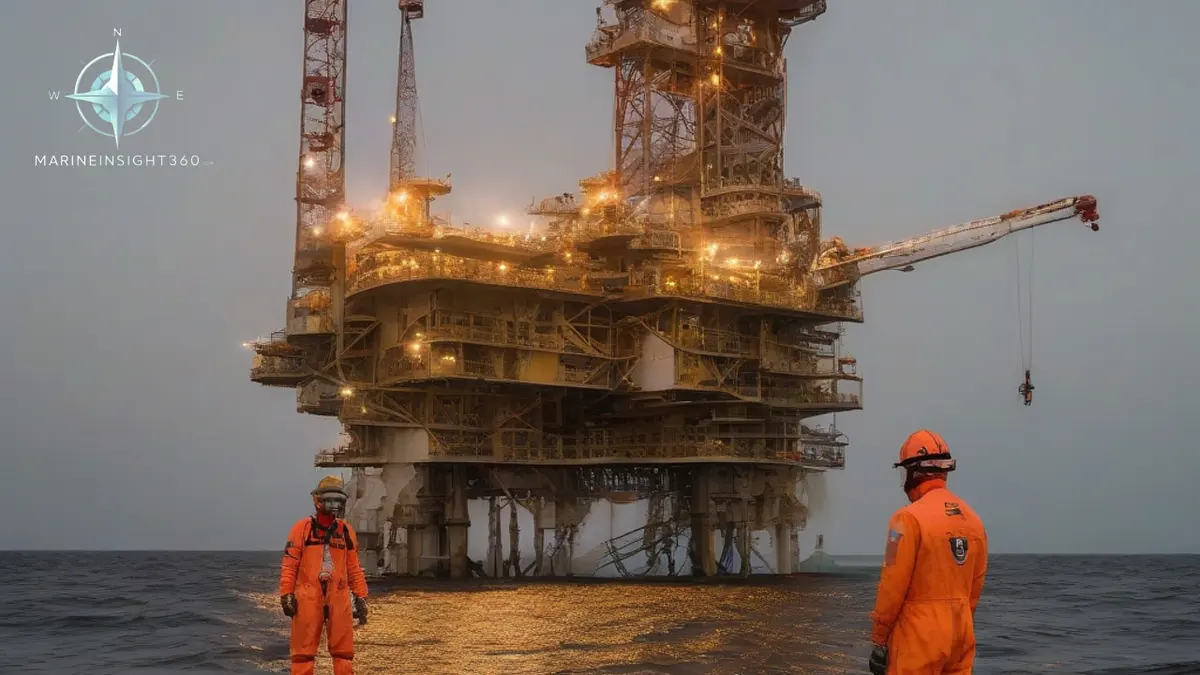
The offshore platform struck in the hostile drone attack is a Kuwait Oil Company drilling rig in Kuwaiti territorial waters, where the strike caused material damage and injured one worker.
Offshore Platform Struck in ‘Hostile’ Drone Attack
In a recent incident, an offshore drilling platform operated by the Kuwait Oil Company was hit by a hostile drone in Kuwaiti territorial waters. The strike caused material damage to the facility and left one worker injured, according to the Kuwait Ministry of Defense.
Immediate Operational Impact
The drone impact disrupted normal drilling operations, forcing an immediate halt to work on the platform. Material damage to the rig’s structural components and ancillary systems can lead to significant downtime while repairs are carried out. The injured worker required medical evacuation, adding to the logistical burden on the crew and shore support.
For operators, the incident highlights the vulnerability of offshore installations to unmanned aerial threats. Even a single drone strike can compromise safety, delay production, and trigger insurance claims. Crew morale may also suffer, as personnel confront the reality of new security risks.
Risk Assessment for Offshore Operators
When evaluating the threat of hostile drones, operators should consider three key criteria:
- Likelihood of an attack: Frequency of drone incidents in the region, intelligence reports, and proximity to conflict zones.
- Potential damage: Structural integrity of the platform, critical systems that could be hit, and the likelihood of crew injury.
- Cost of mitigation: Expenses for detection systems, physical barriers, and training versus the projected loss from an attack.
Trade‑offs emerge when balancing investment in security against operational budgets. Over‑investing in expensive counter‑drone systems may strain finances, yet under‑investing can expose the platform to costly downtime and safety incidents. A common mistake is to assume that standard maritime security measures are sufficient; however, drone threats require specialized detection and response protocols.
Preventive Measures and Best Practices
Operators can adopt a layered defense strategy:
- Detection: Install radar or electro‑optical sensors capable of identifying low‑flying drones.
- Physical barriers: Deploy netting or reinforced deck structures to reduce the risk of direct impact.
- Crew training: Conduct regular drills that include drone‑attack scenarios, ensuring that all personnel know evacuation routes and emergency procedures.
- Coordination with authorities: Maintain open communication with local defense and maritime security agencies for real‑time threat updates.
Implementing these measures can reduce the likelihood of a successful attack and limit damage if one occurs. Operators should review their security plans annually, adjusting for new drone technologies and evolving threat landscapes.
Broader Regional Context
Drone attacks on offshore facilities are not isolated to Kuwait. Ukrainian forces have reportedly struck Russian offshore oil and gas platforms in the Caspian Sea, including the Filanovsky field. These incidents demonstrate a growing trend of using unmanned systems to target critical energy infrastructure in contested regions.
For shipping professionals in global hubs—North America, the U.K., Europe, Australia, Singapore—understanding this pattern is essential. While the immediate risk may be lower outside conflict zones, the potential for escalation and the spread of drone technology mean that all offshore operators should remain vigilant.
What Operators Should Do Next
1. Audit security protocols: Review current measures against the latest drone threat profiles.
2. Engage with insurers: Verify coverage for drone‑related damage and discuss risk‑sharing options.
3. Update crew training: Incorporate drone‑attack drills into regular safety exercises.
4. Collaborate with local authorities: Establish a rapid response plan that includes maritime security forces and emergency medical services.
By taking these concrete steps, operators can better protect their assets, crew, and revenue streams from the growing menace of hostile drones.
What the 500 metre safety zone does not cover
A coastal state may declare a safety zone around an offshore installation, normally out to 500 metres, and ships with no business at the field are kept outside it. The zone is a traffic measure. It was written for collisions, dragged anchors and fishing gear, and it gives a rig nothing against an approach from the air.
That is the gap this strike sits in. Radar picket, electro-optical sensors and a live link into the host state's air defence are the layers that see a drone coming, and none of them are required by the rules that created the safety zone.
What a war risk listing changes for the field
The support vessels and product tankers that serve a field carry hull war cover, and the Joint War Committee's listed areas set the price of it. Once an area is listed, owners owe underwriters notice before a vessel enters and an additional premium for the days it stays inside. War risks also sit outside the standard P and I club cover, so the liability side needs its own war risk extension rather than being assumed.
Charterparties follow. A war risk clause lets an owner refuse a voyage into a listed area, or pass the extra premium and any crew war bonus to the charterer. The cost of a strike therefore shows up in the support contracts around a field, not only in the repair bill for the platform.
The security regime for those ships is the ISPS Code, which sets security levels for ships and port facilities. A fixed installation on location falls outside it, which is part of why platform security is written by the operator and the host state rather than read off a certificate.
Why This Matters to the Industry
The incident in Kuwait underscores that drone threats are now a tangible risk for offshore operations worldwide. Addressing this risk proactively can prevent costly downtime and safeguard crew well‑being.
Next Step for Seafarers and Cadets
Explore Marine Insight 360’s Shipboard Operations section for detailed guidance on emergency response drills and security best practices.