
Oil prices surge as US strikes targets in Iran following ship attacks
How US strikes on Iran are driving oil prices up and affecting maritime operations. Key data and preparedness steps for seafarers.
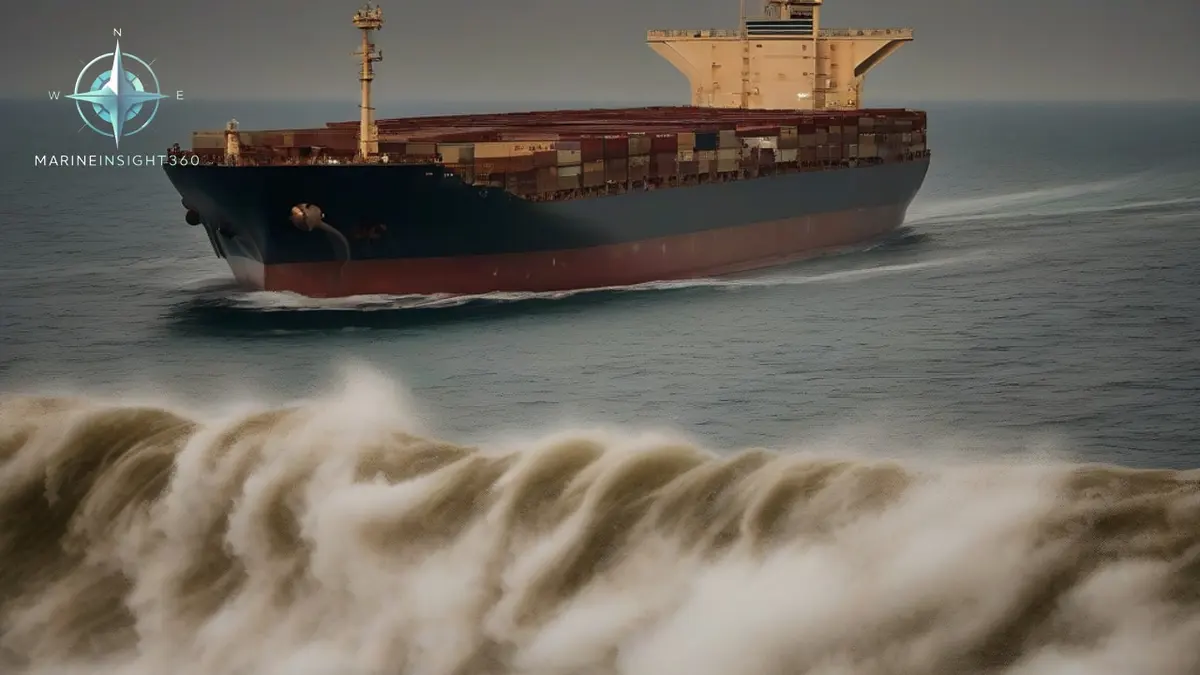
Iran Following Ship Attacks is the focus of this article because it connects marine engineers, engine ratings and technical managers with the wider question behind Oil prices surge as US strikes targets in Iran following ship attacks.
Oil Prices Surge Amid US-Iran Tensions: Implications for Maritime Operations
Oil prices climbed sharply following US military strikes on Iranian targets, with Brent crude rising 3.2% to $76.55 per barrel and West Texas Intermediate (WTI) surging 2.9% to $72.46 as of Singapore time. These movements reflect heightened geopolitical risks and potential disruptions to global energy supply chains, directly impacting maritime fuel costs and operational planning.
Key Price Movements and Market Reactions
Analysts warn that sustained conflict could push prices toward $100 per barrel, with some estimates suggesting a $10–$20 jump if tensions escalate. The OPEC+ production quota increase has failed to offset concerns about supply chain vulnerabilities, particularly in the Strait of Hormuz—a critical chokepoint for 20% of global oil shipments.
- Brent crude : +3.2% to $76.55 (as of 1:36pm Singapore time)
- WTI : +2.9% to $72.46 (as of 7:04am Singapore time)
- Projected risks : Prices could rise further if ceasefire talks collapse or strikes intensify
Strategic Implications for Shipping Professionals
Iran’s control over the Strait of Hormuz and its 3% share of global oil production mean any prolonged conflict could force rerouting of vessels through longer, less efficient passages like the Cape of Good Hope. This would increase fuel consumption and transit times, directly raising operational costs.
- Immediate impact : Higher bunker fuel expenses for tankers and container ships
- Route adjustments
- Supply chain delays
Geopolitical Risks and Operational Preparedness
The US strikes on Iranian nuclear facilities and retaliatory threats highlight the fragility of regional stability. Shipping operators should monitor:
- Real-time updates on ceasefire negotiations and military movements
- Port state control measures in the Gulf region
- Insurance premium adjustments for high-risk areas
Maritime companies are advised to review contingency plans for fuel procurement, vessel routing, and cargo insurance. The International Chamber of Shipping (ICS) has issued guidance on navigating conflict zones, emphasizing communication with flag states and classification societies.
Next Steps for Seafarers and Industry Stakeholders
Stay informed about evolving geopolitical developments and their operational impact. Marine Insight 360’s Knowledge Base offers detailed analysis of geopolitical risks in shipping, including historical precedents for oil price volatility and crisis management protocols.
Why this matters
Iran Following Ship Attacks matters because maritime decisions rarely sit in one department. A route story may affect insurance, crew planning and cargo timing. A machinery topic may affect maintenance, safety permits and spare-part planning. A career question may affect training, documents and joining readiness.
For readers in the United States, United Kingdom, Europe, Canada, Australia, Singapore and other mature maritime markets, the useful angle is practical: what changes, what remains uncertain. Which checks should happen before a decision is made.
Operational context
In daily maritime work, iran following ship attacks should be compared with vessel type, flag requirements, company procedures, port expectations, cargo risk and crew competence. The same topic can look different on a container ship, bulk carrier, tanker, offshore vessel, training ship or shore-side logistics desk.
That is why this article avoids treating the subject as a standalone headline. It connects the issue with the checks that marine engineers, engine ratings and technical managers can use when reading a report, preparing for a voyage, reviewing a procedure or planning a career step.
Checks for readers
- Identify whether the topic affects safety, compliance, maintenance, navigation, cargo, careers or commercial planning.
- Confirm the latest company procedure, official notice, training requirement or port instruction before acting.
- Separate background context from instructions that require a qualified officer, engineer, surveyor or shore-side approval.
- Use related Marine Insight 360 pages to build a stronger topic cluster instead of reading one article in isolation.
Evidence and trust signals
A useful maritime article should show where the reader needs evidence, even when the page is an explainer rather than a breaking-news report. Look for dates, vessel context, source attribution, regulatory references, equipment details, route names, job requirements or operational constraints that can be verified.
When evidence is missing or the situation is changing, treat the article as a starting point. For safety-critical, legal, medical, immigration, training or commercial decisions, confirm the details through official channels and qualified professionals.
Market context for high-compliance maritime regions
For readers in the United States, United Kingdom, Canada, Australia, Singapore and Europe, Oil prices surge as US strikes targets in Iran following ship attacks should be compared with ports, cargo owners, ship managers, charterers, insurers and route-risk teams. The same maritime topic can have different practical meaning under USCG, MCA, Transport Canada, AMSA, MPA Singapore and European authority expectations.
Use the market links below to connect the article with regional trade exposure, port activity, shipping jobs and commercial maritime demand.


