Oil tanker explosion during welding kills one, injures two in MP
Explore the Khargone tanker blast, welding hazards, safety lessons, and operational impact for seafarers and shipping professionals.
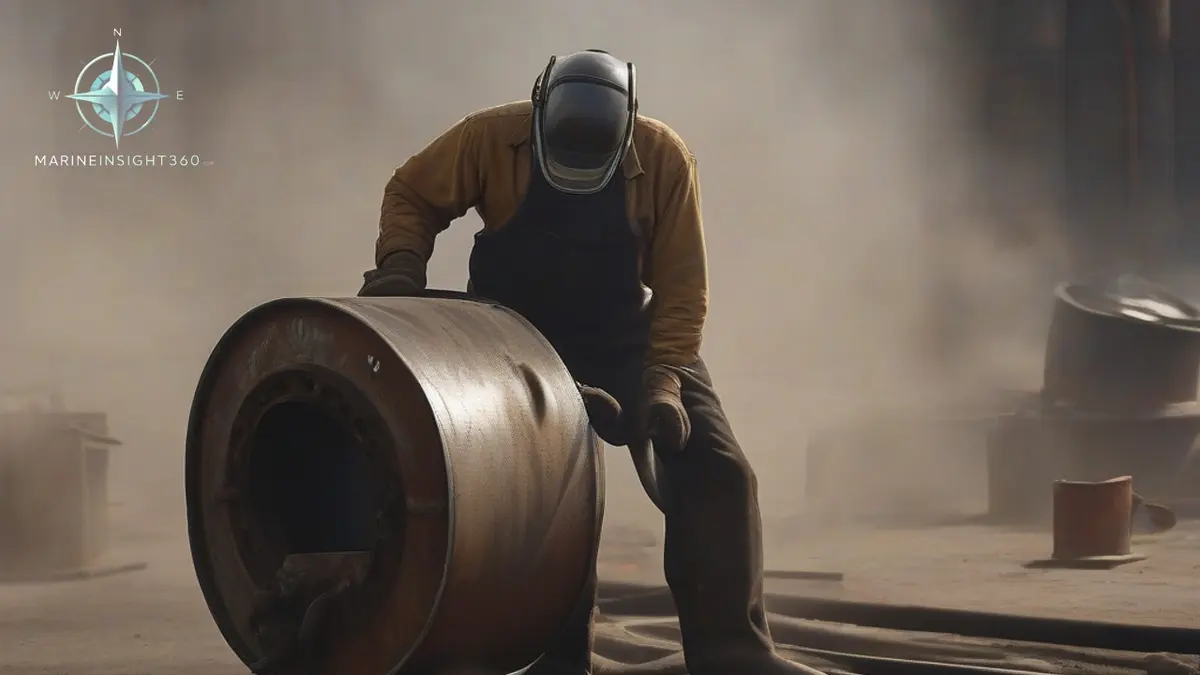
An oil tanker explosion during welding happens when sparks ignite crude vapour in the tank, as in Khargone, Madhya Pradesh on 12 July, where the blast killed one bystander and critically injured two workers.
Oil Tanker Explosion During Welding Kills One, Injures Two in MP
On 12 July, a crude oil tanker in Khargone, Madhya Pradesh, detonated while a welder was working inside an 8,500‑gallon cargo tank. The blast killed a shepherd passing by and left a driver and a mechanic critically injured. The incident highlights the lethal combination of oil vapour and welding sparks, a risk that seafarers, cadets and shipping operators must confront.
Immediate Impact of the Khargone Incident
The explosion tore the tanker’s bottom seam, launching the tank into the air and shattering it against concrete. One bystander was killed by falling debris, while two crew members suffered severe burns and head injuries. The blast also damaged the surrounding infrastructure, causing a temporary halt to road traffic and emergency services in the district.
Why Welding in a Crude Tank Is Dangerous
Crude oil vapour is highly flammable. When a welder’s arc or spark contacts vapour, it can ignite instantly. The source material notes that the welding activity “ignited oil vapors in the tank, resulting in an explosion which tore the tank along its bottom seam.” This pattern repeats in other reported incidents:
- MT Hercules – two workers from Sabah were killed during welding.
- Fujairah port tanker – three died, one injured, two missing after a spark set off explosions.
Key hazards include:
- Uncontrolled vapour pockets.
- Inadequate ventilation.
- Use of non‑explosion‑proof equipment.
Key Safety Measures for Welding Operations
Operators should weigh the cost of safety against the risk of loss of life and property. Decision criteria include:
- Gas-free certification – The tank is washed, ventilated and tested by a competent person before any arc is struck, and the certificate records the reading and the time it was taken. Inerting is a cargo-operations measure, not a substitute: a nitrogen or argon blanket will asphyxiate anyone entering the space.
- Ventilation – Portable exhaust fans or ship‑board ventilation systems must maintain vapour concentrations below the lower explosive limit (LEL). Poor ventilation increases the chance of a flash‑over.
- Continuous atmosphere monitoring – One reading at the start is not enough. The space is retested after every interruption to the work, and the permit is withdrawn if the reading moves.
- Pre‑Weld Vapor Detection – Portable vapour meters should be used before work begins. A false negative can be fatal.
- PPE and Isolation – Heavy‑duty gloves, face shields, and flame‑retardant clothing protect crew. Isolation zones prevent bystanders from entering the danger area.
Common Mistakes and How to Avoid Them
Several recurring errors appear in the source incidents:
- Entering a tank without confirming vapour levels.
- Using standard welding torches in a flammable environment.
- Failing to establish a proper isolation perimeter.
- Relying on visual inspection alone to detect vapour.
To mitigate these mistakes, operators should implement a written welding procedure that includes:
- Pre‑work vapour checks.
- Gas-free certification before entry, and retesting after every break in the work.
- Clear signage and barriers.
- Emergency shutdown protocols.
Operational and Financial Consequences
Beyond the human cost, such incidents trigger significant operational disruptions:
- Port closures or traffic diversions.
- Insurance premium hikes for vessels and crew.
- Legal liabilities for negligence.
- Reputation damage that can affect charterer contracts.
Investing in proper safety measures can reduce downtime and protect the bottom line. The cost of a single explosion—both in lives and in lost cargo—far outweighs the cost of tank cleaning, ventilation and a competent person's time.
Learning from Similar Incidents
The Khargone blast is not isolated. The MT Hercules and Fujairah port incidents share the same ignition mechanism: welding sparks in a vapour‑laden environment. These cases underscore the universal nature of the hazard, regardless of vessel size or geographic location. Shipping professionals in North America, the U.K., Europe, Australia, Singapore and beyond can draw lessons from these reports:
- Standardize welding protocols across fleets.
- Conduct regular safety audits and drills.
- Share incident data within industry forums.
What the tanker standard requires before hot work
On a ship the equivalent job is governed by ISGOTT, the International Safety Guide for Oil Tankers and Terminals published by OCIMF, ICS and IAPH. Hot work in a cargo tank is not permitted until the space has been cleaned, ventilated and certified gas free by a competent person, with the hydrocarbon reading at or below one per cent of the lower flammable limit and oxygen back at the normal atmospheric level.
That threshold matters because it is far stricter than the flammable limit itself. A tank sitting just under the limit is not safe for a welding arc. It is one pocket of richer vapour away from ignition, and vapour does not distribute evenly in a tank full of internal structure.
The certificate is time limited and the space is retested if work stops, if ventilation fails, or if the tank is disturbed. A permit signed in the morning does not cover an afternoon after the fans were shut down.
The drill the rule already requires
SOLAS Chapter III Regulation 19 requires enclosed space entry and rescue drills on board at least once every two months. The rescue half is the part that gets treated as optional, and it is the part that decides the casualty count. A large share of deaths in enclosed space incidents are would-be rescuers who went in after the first casualty without breathing apparatus.
For the entry procedure itself, the enclosed space entry checklist sets out the testing sequence and the standby arrangements that go with it.
Next Steps for Operators
1. Review your vessel’s welding procedures against the safety checklist above. 2. Verify that everyone signing a hot work permit knows what the gas-free certificate must show, and who is authorised to withdraw it. 3. Schedule an audit of your welding equipment and ventilation systems. 4. Report any incidents to the Marine Insight 360 Shipboard Operations section for peer review.
Understanding the precise risks and implementing proven safety measures can prevent future tragedies and keep crews safe on board.