
Pakistan Bypasses Afghanistan With New Corridors Through Iran and China
Pakistan Bypasses Afghanistan With New Corridors Through Iran and China: ports, trade and shipping-market context for US, UK, Canada, Australia,...
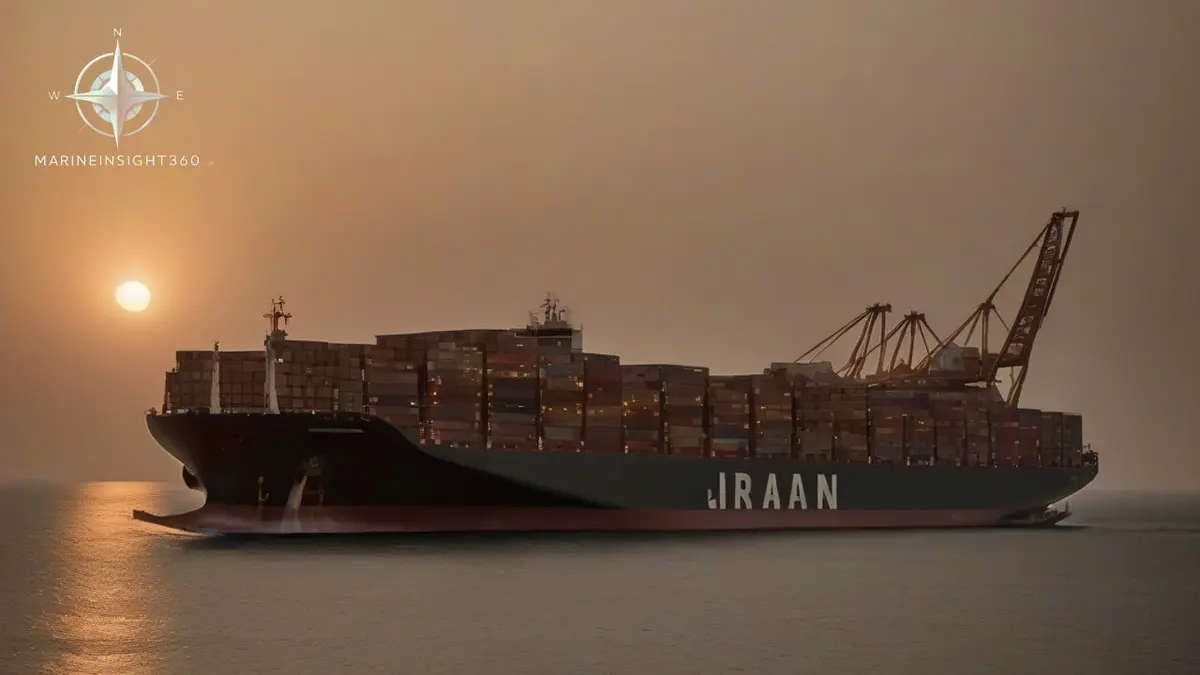
Pakistan Bypasses Afghanistan is the focus of this article because it connects cargo owners, freight teams, operators and port stakeholders with the wider question behind Pakistan Bypasses Afghanistan With New Corridors Through Iran and China.
Strategic Shift: Pakistan’s New Trade Corridors Through Iran and China
Pakistan has launched two new land corridors in April 2026 to bypass Afghanistan, connecting Central Asia to Gwadar and Karachi via Iran’s Gabd-Rimdan crossing and China’s Sost Dry Port. These routes aim to streamline trade while avoiding regional instability. For maritime professionals, this development reshapes overland logistics and could influence cargo routing, port operations, and regional trade dynamics.
Key Corridor Details
The Gabd-Rimdan corridor links Pakistan with Central Asian markets through Iran, reducing reliance on Afghan routes. The Sost Dry Port corridor connects Pakistan to China, leveraging existing infrastructure like the China-Pakistan Economic Corridor (CPEC). Both corridors are fully operational as of April 2026, according to the source.
Implications for Maritime Trade
These corridors could reduce cargo dwell times at Afghan border points, potentially accelerating freight movement to and from Central Asia. For seafarers and port operators, this may mean:
- Shifts in container traffic: Increased volumes at Gwadar and Karachi ports as Central Asian exports bypass traditional routes.
- Logistics optimization: Reduced overland transit times may lower shipping costs for goods transiting through Pakistan.
- Regional competition: Iran and China’s involvement could intensify trade rivalries, affecting port tariffs and cargo distribution.
Challenges and Considerations
While the corridors offer strategic advantages, several factors remain unclear:
- Capacity constraints: The Sost Dry Port’s throughput and Gabd-Rimdan’s infrastructure readiness for high-volume trade are not specified in the source.
- Political dependencies: Sustained cooperation between Pakistan, Iran, and China is critical for corridor viability.
- Cost efficiency: No data is provided on freight rates or cost comparisons with traditional routes.
Future Outlook for Shipping Professionals
Maritime stakeholders should monitor how these corridors integrate with existing networks. For example, increased Central Asian cargo via Gwadar could boost demand for shortsea shipping between Pakistan’s ports and India’s western coast. Additionally, the corridors may influence vessel call patterns, prioritizing ports with direct land access to Central Asia.
For deeper insights into regional trade shifts, explore Marine Insight 360’s Trade & Logistics Knowledge Base , which tracks corridor developments and their impact on global shipping routes.
Why this matters
Pakistan Bypasses Afghanistan matters because maritime decisions rarely sit in one department. A route story may affect insurance, crew planning and cargo timing. A machinery topic may affect maintenance, safety permits and spare-part planning. A career question may affect training, documents and joining readiness.
For readers in the United States, United Kingdom, Europe, Canada, Australia, Singapore and other mature maritime markets, the useful angle is practical: what changes, what remains uncertain, and which checks should happen before a decision is made.
Operational context
In daily maritime work, pakistan bypasses afghanistan should be compared with vessel type, flag requirements, company procedures, port expectations, cargo risk and crew competence. The same topic can look different on a container ship, bulk carrier, tanker, offshore vessel, training ship or shore-side logistics desk.
That is why this article avoids treating the subject as a standalone headline. It connects the issue with the checks that cargo owners, freight teams, operators and port stakeholders can use when reading a report, preparing for a voyage, reviewing a procedure or planning a career step.
Checks for readers
- Identify whether the topic affects safety, compliance, maintenance, navigation, cargo, careers or commercial planning.
- Confirm the latest company procedure, official notice, training requirement or port instruction before acting.
- Separate background context from instructions that require a qualified officer, engineer, surveyor or shore-side approval.
- Use related Marine Insight 360 pages to build a stronger topic cluster instead of reading one article in isolation.
Evidence and trust signals
A useful maritime article should show where the reader needs evidence, even when the page is an explainer rather than a breaking-news report. Look for dates, vessel context, source attribution, regulatory references, equipment details, route names, job requirements or operational constraints that can be verified.
When evidence is missing or the situation is changing, treat the article as a starting point. For safety-critical, legal, medical, immigration, training or commercial decisions, confirm the details through official channels and qualified professionals.
Common mistakes to avoid
The most common mistake is using a single headline or general article as if it were a vessel-specific instruction. A second mistake is ignoring geography, flag state, ship type, cargo type or rank. A third is missing the difference between background knowledge and a procedure that must be approved onboard or ashore.
Readers should also avoid comparing markets too loosely. Requirements and expectations in the United States, United Kingdom, Australia, Canada, Singapore and Europe can differ from other regions, especially in careers, port compliance, insurance and safety reporting.
For related cargo, ports and trade explainers, continue with the maritime guides hub.
Next steps
For related cargo, ports and trade explainers, continue with the maritime guides hub. Use the linked hub to compare the topic with related guidance before making operational, training or commercial decisions.
Market context for high-compliance maritime regions
For readers in the United States, United Kingdom, Canada, Australia, Singapore and Europe, Pakistan Bypasses Afghanistan With New Corridors Through Iran and China should be compared with ports, cargo owners, ship managers, charterers, insurers and route-risk teams. The same maritime topic can have different practical meaning under USCG, MCA, Transport Canada, AMSA, MPA Singapore and European authority expectations.
Use the market links below to connect the article with regional trade exposure, port activity, shipping jobs and commercial maritime demand.


