Pakistan receives first RoRo vessel carrying over 2,000 EVs
Arrival marked a milestone for Pakistan's maritime sector and reflected efforts to modernise port operations, says minister.
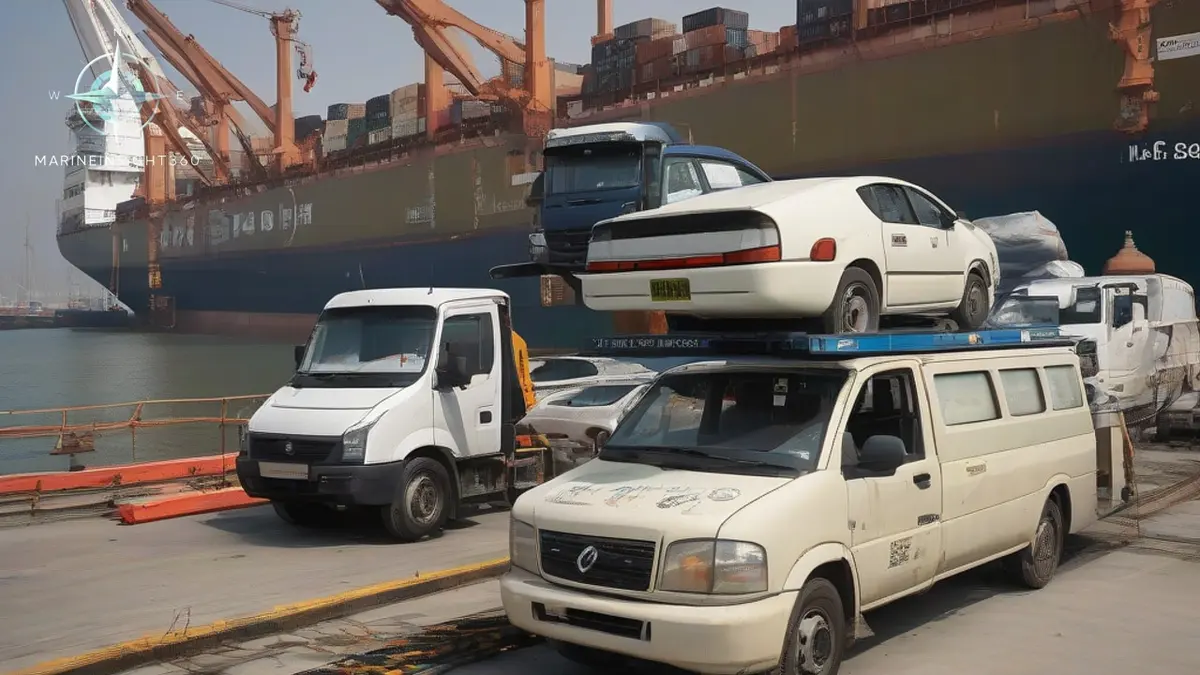
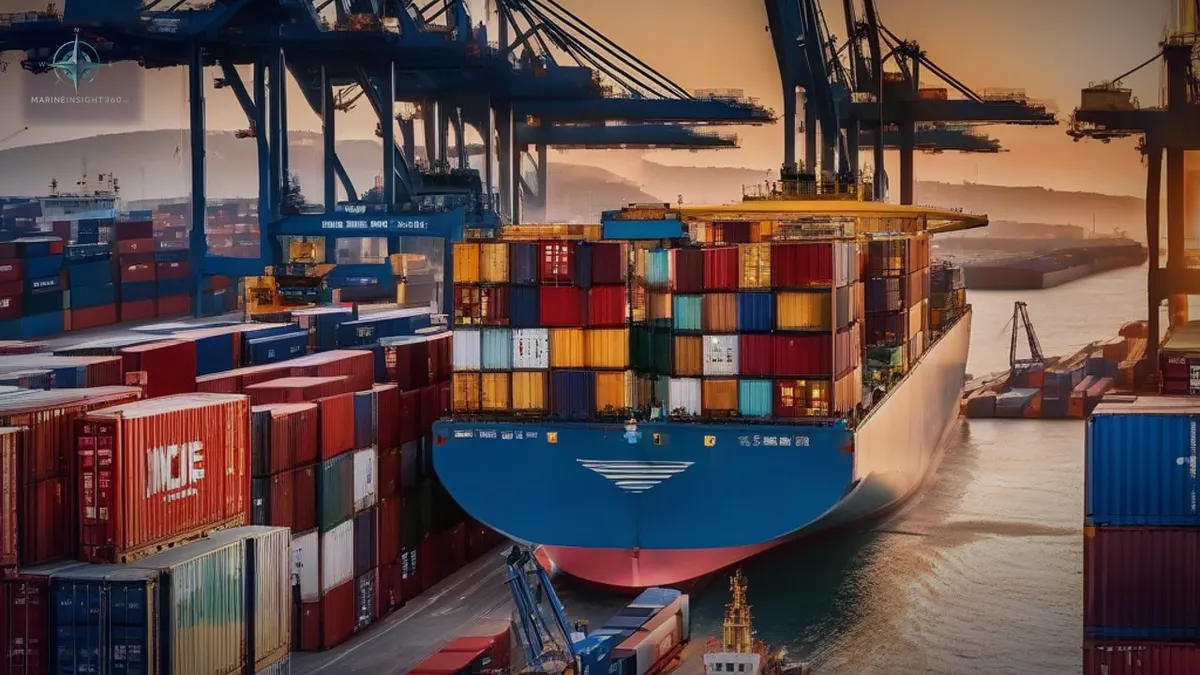
Pakistan's first RoRo vessel carrying electric vehicles, the Grande Shanghai, docked at Karachi Gateway Terminal Limited on Friday with more than 2,000 EVs aboard. Minister Muhammad Junaid Anwar Chaudhry hailed the arrival as a step toward modernising port operations.
A Milestone for Pakistan's Maritime Future
For shipping professionals, the event signals a growing trend of high‑value, low‑volume cargoes moving by RoRo. It also highlights the need for ports to adapt infrastructure and crew training to handle new product types.
Why a RoRo Vessel Makes Sense for EVs
RoRo ships allow vehicles to be driven directly onto the vessel, eliminating the need for cranes or container handling. This reduces loading and unloading time and lowers the risk of damage to the cargo.
EVs, with their high value and sensitivity to temperature and vibration, benefit from the quick transfer that RoRo offers. The M.V. Grande Shanghai’s capacity for over 2,000 units demonstrates that even large volumes can be accommodated without the overhead of containerization.
Ports that support RoRo must provide secure berths, adequate power for vehicle charging, and trained stowage crews. Karachi’s KGTML has upgraded its facilities to meet these requirements, setting a benchmark for other South Asian ports.
Operational Lessons for Crew and Port Staff
Handling a large EV shipment requires strict adherence to stowage plans. Vehicles must be secured to prevent movement during transit, and battery compartments should be monitored for temperature excursions.
Common mistakes include under‑securing cargo, neglecting battery safety checks, and failing to coordinate with shore power systems. These errors can lead to costly delays or damage claims.
Training programs should cover EV battery safety, proper use of tie‑down equipment, and emergency response procedures. Crew members who understand the unique characteristics of electric vehicles will reduce turnaround times and improve safety.
What Shipping Professionals Should Take Away
When planning a RoRo shipment of EVs, consider the following decision criteria:
- Volume and weight of the cargo versus vessel capacity.
- Availability of secure berths and shore power at the destination port.
- Crew training levels and safety protocols for battery handling.
- Insurance coverage specific to high‑value, sensitive cargo.
Operators should weigh the trade‑off between the faster loading times of RoRo and the higher upfront cost of specialized berths and equipment. Mistakes such as inadequate stowage planning or insufficient crew training can erode the cost advantages.
For shippers, the Karachi arrival demonstrates that EVs can be moved efficiently by sea, opening new supply chain options. Shipping companies should evaluate whether their fleet can support similar operations and whether ports along the route can accommodate RoRo EV cargo.
Why This Matters to the Industry
The M.V. Grande Shanghai’s successful delivery shows that large volumes of electric vehicles can be shipped by RoRo, offering a faster, potentially cheaper alternative to container transport. Shipping professionals should review their RoRo capabilities and crew training to stay competitive in the growing EV market.
Next step: consult Marine Insight 360’s Shipboard Operations section for best practices on RoRo cargo handling and battery safety.
What a lithium battery fire does to a car deck
A car carried as cargo with its traction battery installed is UN 3171 under the IMDG Code, which SOLAS Chapter VII makes mandatory. The classification is not the hard part. The hard part is that a battery in thermal runaway releases its own oxygen, so the fixed carbon dioxide system that protects a ro-ro deck starves an ordinary fire but not this one.
The response that works is cooling: flooding the boundary and the deck for as long as the cells keep venting. That is a stability problem as well as a firefighting one, because free surface on a wide vehicle deck is what capsizes ro-ro tonnage.
Two casualties shaped the industry's caution. The Felicity Ace burned for days and sank in the Atlantic in 2022, and the Fremantle Highway caught fire off the Dutch coast in 2023 with the loss of one crew member. Neither investigation established that an electric vehicle started the fire, which is why carriers now treat the question as open and load accordingly.