Paper finds strong potential for maritime decarbonization in India
The country's maritime sector is a major contributor to its economy, with a long coastline and several major ports.
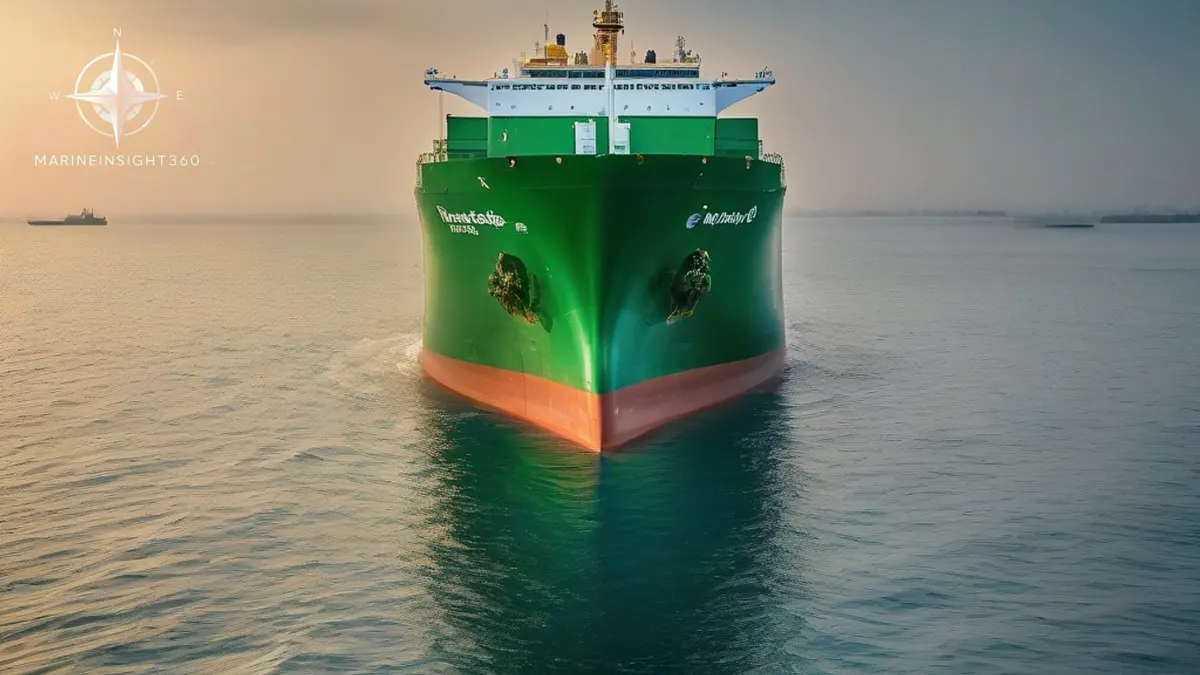
India has strong potential for maritime decarbonization.
Key facts about Paper finds strong potential for maritime decarbonization in India
A paper has found that India has strong potential for maritime decarbonization. The country's maritime sector is a major contributor to its economy, with a long coastline and several major ports. India is also a signatory to the International Maritime Organization's (IMO) greenhouse gas reduction targets, which aim to reduce emissions from shipping by at least 50% by 2050.
The Indian government has already taken steps to reduce emissions from its maritime sector, including introducing policies to promote the use of cleaner fuels and more efficient ship designs. The country is also investing in the development of new ports and shipping infrastructure, which will help to reduce congestion and increase efficiency. This is in line with the IMO's efforts to reduce emissions from shipping, which include the implementation of the Energy Efficiency Design Index (EEDI) and the Ship Energy Efficiency Management Plan (SEEMP).
The potential for decarbonization in India's maritime sector is also driven by the country's growing trade volumes. India is a major player in global trade, with a significant proportion of its exports and imports being transported by sea. The country's major ports, such as Mumbai and Chennai, are among the busiest in the world, and are expected to see significant growth in the coming years. As the global shipping industry continues to evolve, with a focus on reducing emissions and improving efficiency, India is well placed to play a major role in the transition to a more sustainable maritime sector.
The use of alternative fuels, such as liquefied natural gas (LNG) and hydrogen, is also being considered in India. Several Indian shipowners have already begun to explore the use of these fuels, which offer a more environmentally friendly alternative to traditional marine fuels. This is in line with the IMO's strategy to reduce greenhouse gas emissions from shipping, which includes the development of new fuels and technologies.
This matters to the industry because reducing emissions from shipping will require a coordinated effort from governments, shipowners, and other stakeholders around the world.
Where to go from here
Turn a sustainability development into action by tracing it to the original source, flagging the teams it affects, and revisiting the plans, routing, budgets, crewing, it could disturb.
What it means for the major markets
For operators and jobseekers in the US, UK, Europe, Singapore, Canada and Australia, the relevance of this sustainability story is in the detail behind the headline, what it changes for the trades and rules that market runs on.
Why it's on our radar
Paper finds strong potential for maritime decarbonization in India earns coverage because its effects seldom stop at the headline; sustainability news like this lands on operators, charterers, insurers and seafarers together.
For readers across the major maritime markets, the value is practical: what shifts, what to verify, and which decisions it touches.
The operational read
For operators, this sustainability development can touch routing, cost, charter terms and onboard routines. The useful step is to map it to the teams it affects.
Treat the first report as a starting point and verify the specifics against official and company sources.