
Philippines Begins a New Era with the Ferry “Trans Asia 21”
The M/V Trans-Asia 21, a ROPAX ferry launched in 2020, is transforming inter-island travel in the Philippines. Learn about its design, routes, and impact on mar
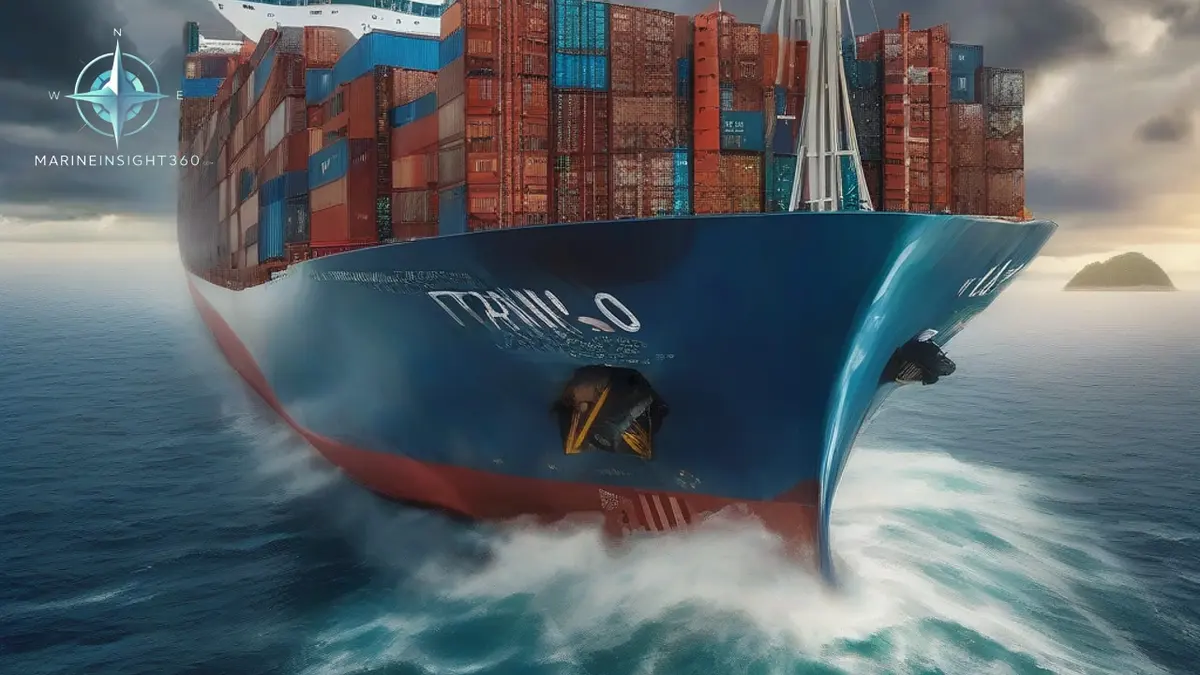
Philippines Begins a New Era with the Ferry “Trans Asia 21”
The Philippine maritime sector has welcomed a significant addition to its fleet: the M/V Trans-Asia 21 (IMO 9901116), a roll-on/roll-off passenger (ROPAX) ferry launched in November 2020. Built by Fukuoka Shipbuilding in Japan, this vessel marks a milestone for Trans-Asia Shipping Lines (TASU), a subsidiary of Chelsea Logistics and Infrastructure Holdings Corporation. Designed specifically for Philippine waters, it enhances connectivity between major ports like Cebu and Cagayan de Oro.
Key Details About the Trans-Asia 21
The Trans-Asia 21 is part of a broader effort to modernize regional ferry services. Its ROPAX configuration allows seamless loading of vehicles and passengers, optimizing efficiency for routes with high vehicle traffic. The vessel’s design prioritizes safety and performance in local conditions, including rough seas and monsoon seasons. While specific technical specifications like length and capacity are not detailed in available records, the ship’s “biggest brand new” status underscores its scale compared to existing fleets.
Operational Impact and Route Focus
Trans-Asia 21 operates on routes critical to the Philippines’ inter-island trade and passenger mobility. For example, it serves the Cebu-Cagayan de Oro route, a corridor with significant demand for both cargo and passenger transport. The vessel’s arrival in Cebu in 2025 (as noted in recent updates) reflects its integration into regional logistics networks. Operators and crew should note that the ship’s design emphasizes adaptability to Philippine waters, which may include navigating narrow channels and unpredictable weather patterns.
What This Means for Seafarers and Shipping Professionals
For maritime personnel, the Trans-Asia 21 represents an opportunity to work on a state-of-the-art vessel tailored to local conditions. Its ROPAX layout requires specialized handling of vehicle embarkation and de-embarkation, which demands coordination between deck crews and port authorities. Additionally, the ship’s Japanese-built engineering may involve unique maintenance protocols, a factor to consider for technical teams.
Passenger and Cargo Considerations
Passengers traveling on the Trans-Asia 21 benefit from improved comfort and reliability, particularly for long-haul routes. The vessel’s capacity to accommodate vehicles and passengers simultaneously supports both commercial and personal travel needs. For cargo operators, the ROPAX design streamlines the transport of goods between major economic hubs, reducing turnaround times compared to traditional ferries.
Those booking passage can use the discount code LAYAGMARKEE for a 5% reduction, as highlighted in promotional materials. This offers cost savings for frequent travelers or businesses relying on inter-island logistics.
For further insights into ROPAX operations and regional maritime developments, explore our Shipboard Operations section or Marine Machinery resources.
Why this matters
Philippines Begins matters because maritime decisions rarely sit in one department. A route story may affect insurance, crew planning and cargo timing. A machinery topic may affect maintenance, safety permits and spare-part planning. A career question may affect training, documents and joining readiness.
For readers in the United States, United Kingdom, Europe, Canada, Australia, Singapore and other mature maritime markets, the useful angle is practical: what changes, what remains uncertain, and which checks should happen before a decision is made.
Operational context
In daily maritime work, philippines begins should be compared with vessel type, flag requirements, company procedures, port expectations, cargo risk and crew competence. The same topic can look different on a container ship, bulk carrier, tanker, offshore vessel, training ship or shore-side logistics desk.
That is why this article avoids treating the subject as a standalone headline. It connects the issue with the checks that ship operators, masters, safety officers and compliance teams can use when reading a report, preparing for a voyage, reviewing a procedure or planning a career step.
Checks for readers
- Identify whether the topic affects safety, compliance, maintenance, navigation, cargo, careers or commercial planning.
- Confirm the latest company procedure, official notice, training requirement or port instruction before acting.
- Separate background context from instructions that require a qualified officer, engineer, surveyor or shore-side approval.
- Use related Marine Insight 360 pages to build a stronger topic cluster instead of reading one article in isolation.
Evidence and trust signals
A useful maritime article should show where the reader needs evidence, even when the page is an explainer rather than a breaking-news report. Look for dates, vessel context, source attribution, regulatory references, equipment details, route names, job requirements or operational constraints that can be verified.
When evidence is missing or the situation is changing, treat the article as a starting point. For safety-critical, legal, medical, immigration, training or commercial decisions, confirm the details through official channels and qualified professionals.
Next steps
For related compliance and onboard procedure topics, continue with the shipboard operations knowledge base. Use the linked hub to compare the topic with related guidance before making operational, training or commercial decisions.


