
‘Positive progress’ in US-Iran talks despite Strait of Hormuz strikes
Indirect US-Iran negotiations show progress toward stabilizing the Strait of Hormuz. Shipping professionals must prepare for evolving risks and opportunities in
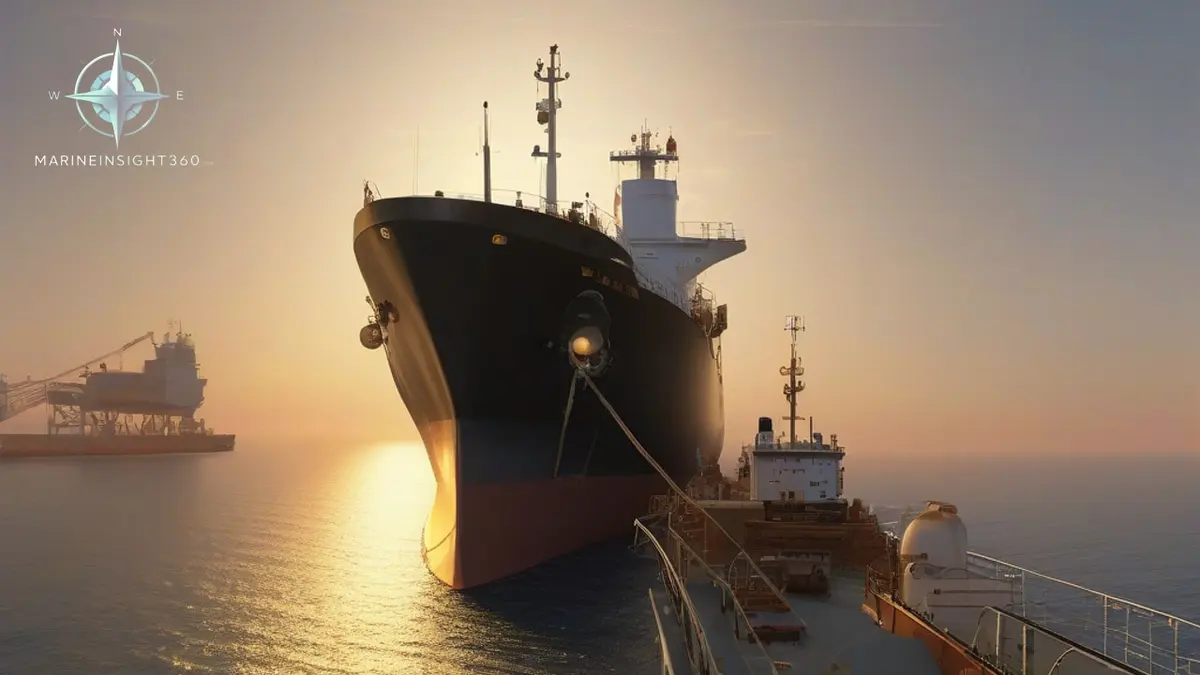
Us-Iran Talks Despite Strait is the focus of this article because it connects ship operators, insurers, charterers and route planners with the wider question behind ‘Positive progress’ in US-Iran talks despite Strait of Hormuz strikes.
US-Iran Talks Progress Amid Hormuz Tensions: What It Means for Shipping
Indirect US-Iran negotiations have made “positive progress” toward stabilizing the Strait of Hormuz, mediators confirmed following recent clashes. While diplomatic efforts continue, maritime operators must assess risks and opportunities in this volatile region. This update clarifies the current status, implications for shipping, and practical steps for seafarers and industry professionals.
Key Developments in the Talks
The US has waived sanctions on Iran for 60 days following initial peace talks, with negotiators agreeing to extend the ceasefire. Iran’s foreign minister described the talks as delivering “major progress,” while mediators noted “encouraging progress” toward reopening the Strait of Hormuz. However, unresolved issues—such as Iran’s nuclear program and lingering military tensions—remain critical risks.
Strategic Implications for Maritime Operations
The Strait of Hormuz, a vital artery for global oil shipments, remains a focal point. A stable agreement could reduce the risk of disruptions, but operators must prepare for uncertainty. Key considerations include:
- Vessel routing: Monitor advisories for potential changes in transit corridors near the Strait.
- Insurance costs: Political instability often drives up war risk premiums; review coverage adjustments.
- Crew safety protocols: Ensure updated emergency procedures for potential hostilities or boarding actions.
Crew Safety and Operational Readiness
Despite the ceasefire, military strikes and unresolved tensions persist. Seafarers should:
- Stay informed: Access real-time updates from flag state authorities and shipping companies.
- Review onboard drills: Conduct regular anti-piracy and emergency response exercises.
- Communicate with shore teams: Report any security concerns immediately to facilitate timely decision-making.
What to Watch for Next
Technical-level discussions will continue this week, with mediators aiming to finalize a durable peace deal. Shipping professionals should track:
- Official extensions of the 60-day ceasefire.
- Updates on sanctions waivers and their impact on Iran’s oil exports.
- Maritime traffic data from monitoring services to gauge actual vessel activity in the region.
Why this matters
Us-Iran Talks Despite Strait matters because maritime decisions rarely sit in one department. A route story may affect insurance, crew planning and cargo timing. A machinery topic may affect maintenance, safety permits and spare-part planning. A career question may affect training, documents and joining readiness.
For readers in the United States, United Kingdom, Europe, Canada, Australia, Singapore and other mature maritime markets, the useful angle is practical: what changes, what remains uncertain, and which checks should happen before a decision is made.
Operational context
In daily maritime work, us-iran talks despite strait should be compared with vessel type, flag requirements, company procedures, port expectations, cargo risk and crew competence. The same topic can look different on a container ship, bulk carrier, tanker, offshore vessel, training ship or shore-side logistics desk.
That is why this article avoids treating the subject as a standalone headline. It connects the issue with the checks that ship operators, insurers, charterers and route planners can use when reading a report, preparing for a voyage, reviewing a procedure or planning a career step.
Checks for readers
- Identify whether the topic affects safety, compliance, maintenance, navigation, cargo, careers or commercial planning.
- Confirm the latest company procedure, official notice, training requirement or port instruction before acting.
- Separate background context from instructions that require a qualified officer, engineer, surveyor or shore-side approval.
- Use related Marine Insight 360 pages to build a stronger topic cluster instead of reading one article in isolation.
Evidence and trust signals
A useful maritime article should show where the reader needs evidence, even when the page is an explainer rather than a breaking-news report. Look for dates, vessel context, source attribution, regulatory references, equipment details, route names, job requirements or operational constraints that can be verified.
When evidence is missing or the situation is changing, treat the article as a starting point. For safety-critical, legal, medical, immigration, training or commercial decisions, confirm the details through official channels and qualified professionals.
Common mistakes to avoid
The most common mistake is using a single headline or general article as if it were a vessel-specific instruction. A second mistake is ignoring geography, flag state, ship type, cargo type or rank. A third is missing the difference between background knowledge and a procedure that must be approved onboard or ashore.
Readers should also avoid comparing markets too loosely. Requirements and expectations in the United States, United Kingdom, Australia, Canada, Singapore and Europe can differ from other regions, especially in careers, port compliance, insurance and safety reporting.
Next steps
For connected route-risk and trade coverage, continue with the maritime markets hub. Use the linked hub to compare the topic with related guidance before making operational, training or commercial decisions.
Market context for high-compliance maritime regions
For readers in the United States, United Kingdom, Canada, Australia, Singapore and Europe, ‘Positive progress’ in US-Iran talks despite Strait of Hormuz strikes should be compared with ports, cargo owners, ship managers, charterers, insurers and route-risk teams. The same maritime topic can have different practical meaning under USCG, MCA, Transport Canada, AMSA, MPA Singapore and European authority expectations.
Use the market links below to connect the article with regional trade exposure, port activity, shipping jobs and commercial maritime demand.


