
Saudi crown prince, French president discuss Iran-US deal, regional stability
How the Saudi-French talks on Iran-US stability impact maritime safety and shipping routes
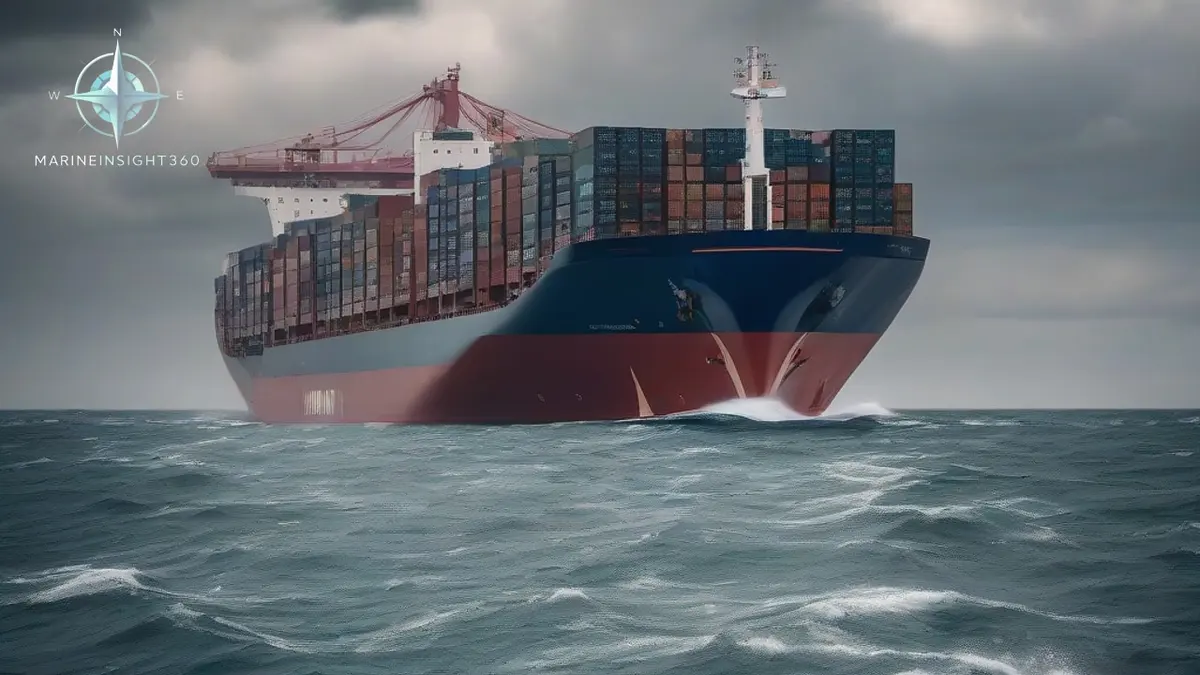
Saudi Crown Prince and French President Discuss Iran-US Deal and Regional Stability for Maritime Safety
The recent phone call between Saudi Crown Prince Mohammed bin Salman and French President Emmanuel Macron focused on the Iran-US memorandum of understanding (MoU) and its implications for regional stability, particularly for maritime operations. The discussion emphasized the need to secure critical shipping routes like the Strait of Hormuz, a vital artery for global trade.
Key Points from the Conversation
The leaders reviewed developments in the Middle East, stressing the importance of freedom of navigation and international cooperation. Macron highlighted the urgency of stabilizing the region to prevent disruptions to global supply chains. Both parties acknowledged the potential of the US-Iran deal to ease tensions, which directly impact maritime safety and operational costs for shipping companies.
Strait of Hormuz: A Critical Focus
Macron specifically urged Middle Eastern leaders to support efforts to reopen the Strait of Hormuz, a chokepoint through which nearly 20% of the world’s oil and gas transit. Any instability here could lead to increased insurance premiums, rerouting delays, and heightened security risks for vessels. The conversation underscored the need for coordinated measures to protect this strategic waterway.
Implications for Seafarers and Shipping Operators
For maritime professionals, the outcome of these diplomatic efforts will influence voyage planning, fuel efficiency, and crew safety. A successful Iran-US deal could reduce the risk of piracy and geopolitical conflicts in the Gulf, lowering operational costs. Conversely, prolonged instability might necessitate additional security protocols and contingency plans for ships transiting the region.
Next Steps for the Maritime Industry
Shipping companies should monitor developments in the Middle East closely. Marine Insight 360’s Knowledge Base provides updated analysis on geopolitical impacts on shipping routes. Seafarers and cadets are advised to familiarize themselves with contingency navigation plans and regional security updates through official maritime advisories.
Why this matters
French President Discuss Iran-Us Deal matters because maritime decisions rarely sit in one department. A route story may affect insurance, crew planning and cargo timing. A machinery topic may affect maintenance, safety permits and spare-part planning. A career question may affect training, documents and joining readiness.
For readers in the United States, United Kingdom, Europe, Canada, Australia, Singapore and other mature maritime markets, the useful angle is practical: what changes, what remains uncertain, and which checks should happen before a decision is made.
Operational context
In daily maritime work, french president discuss iran-us deal should be compared with vessel type, flag requirements, company procedures, port expectations, cargo risk and crew competence. The same topic can look different on a container ship, bulk carrier, tanker, offshore vessel, training ship or shore-side logistics desk.
That is why this article avoids treating the subject as a standalone headline. It connects the issue with the checks that marine engineers, engine ratings and technical managers can use when reading a report, preparing for a voyage, reviewing a procedure or planning a career step.
Checks for readers
- Identify whether the topic affects safety, compliance, maintenance, navigation, cargo, careers or commercial planning.
- Confirm the latest company procedure, official notice, training requirement or port instruction before acting.
- Separate background context from instructions that require a qualified officer, engineer, surveyor or shore-side approval.
- Use related Marine Insight 360 pages to build a stronger topic cluster instead of reading one article in isolation.
Evidence and trust signals
A useful maritime article should show where the reader needs evidence, even when the page is an explainer rather than a breaking-news report. Look for dates, vessel context, source attribution, regulatory references, equipment details, route names, job requirements or operational constraints that can be verified.
When evidence is missing or the situation is changing, treat the article as a starting point. For safety-critical, legal, medical, immigration, training or commercial decisions, confirm the details through official channels and qualified professionals.
Common mistakes to avoid
The most common mistake is using a single headline or general article as if it were a vessel-specific instruction. A second mistake is ignoring geography, flag state, ship type, cargo type or rank. A third is missing the difference between background knowledge and a procedure that must be approved onboard or ashore.
Readers should also avoid comparing markets too loosely. Requirements and expectations in the United States, United Kingdom, Australia, Canada, Singapore and Europe can differ from other regions, especially in careers, port compliance, insurance and safety reporting.


