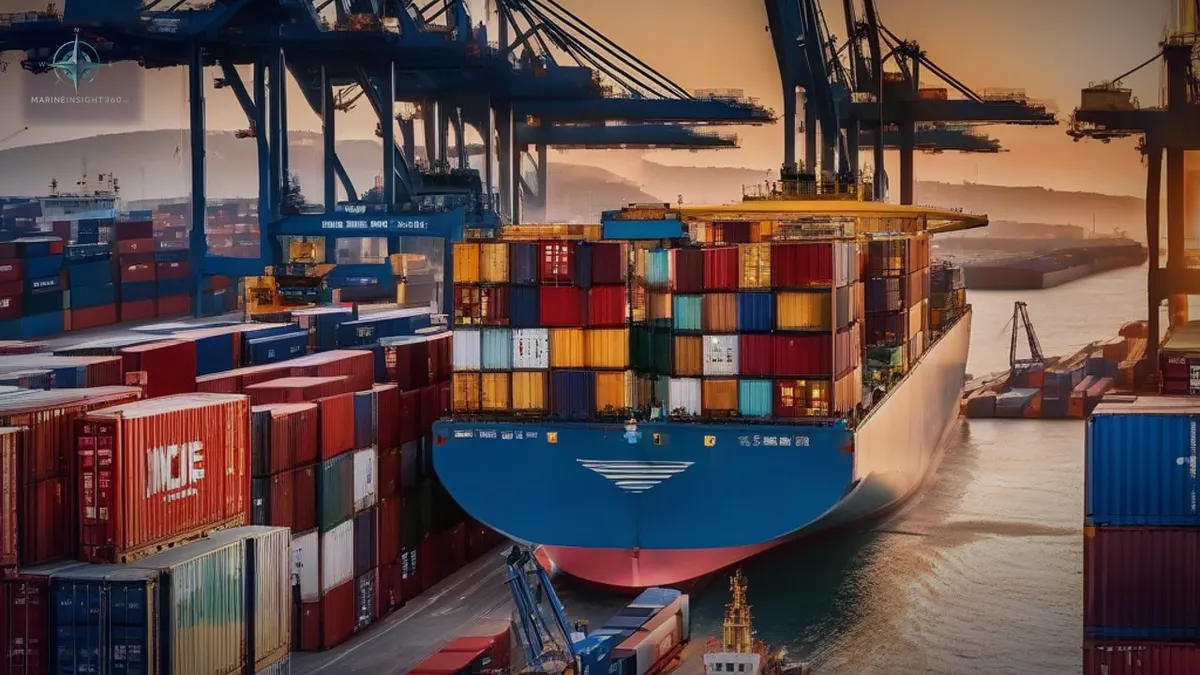
Saudi Producer Prices rise 7.5% in May on higher manufacturing costs
Saudi Arabia's PPI surged 7.5% in May 2026 due to manufacturing costs. Learn how this affects global shipping, energy prices, and trade routes for seafarers and
Saudi Producer Prices Rise 7.5% in May 2026 on Manufacturing Costs
Saudi Arabia’s Producer Price Index rose 7.5% year-on-year in May 2026, driven by a 9.7% jump in manufacturing costs, according to official data. That is the largest annual PPI increase since 2021, with energy prices and basic material production also feeding the rise. For shipping, the shift may signal higher demand for cargo transport of industrial goods from the Red Sea region.
Key Drivers of the PPI Surge
The 7.5% PPI increase reflects a 4.8% annual rise in wholesale prices in June 2026, the highest since August 2022. Manufacturing costs led the charge, with food product prices up 0.2% and basic materials climbing 2.7%. Energy prices, which account for 7.5% of the PPI basket, rose 5% year-on-year in February 2026, though this was a slowdown from a 41.3% surge in earlier months.
Sector-Specific Price Trends
- Manufacturing: Non-metallic mineral production rose 1.7%, while furniture manufacturing climbed 0.7% and 1.1% respectively.
- Energy: Despite a 5% annual increase in energy prices, this remained lower than the 41.3% spike recorded in prior months.
- Wholesale Inflation: Annual wholesale price inflation edged up to 4.8% in June 2026 from 4.6% in May, indicating sustained cost pressures.
Implications for Global Shipping and Trade
Higher Saudi manufacturing costs may indirectly impact shipping routes and cargo volumes. The Red Sea’s proximity to major industrial hubs means increased production could boost container demand for exports to Asia and Europe. However, operators should note that consumer price inflation in Saudi Arabia remained stable at 1.8% annually in June 2026, suggesting domestic demand for goods may not rise proportionally with production costs.
For tankers and bulk carriers, the 5% energy price increase could influence fuel costs and charter rates. Meanwhile, the stability of Saudi’s cost of living—despite manufacturing spikes—may temper long-term demand for imported consumer goods.
Cost of Living and Economic Stability
While manufacturing costs surged, Saudi Arabia’s cost of living showed resilience in March 2026, with housing and water expenses rising just 0.2% month-on-month. This stability contrasts with regional war-driven inflation in neighboring markets, positioning Saudi as a relatively stable trade partner. For seafarers, this suggests consistent port operations and supply chain reliability, though operators should monitor potential ripple effects from global energy price volatility.
Which coast a Saudi cargo actually leaves from
Saudi Arabia ships from two seaboards, and which one a cargo uses decides the chokepoint it meets. Jeddah Islamic Port and King Fahd Industrial Port at Yanbu face the Red Sea. King Abdulaziz Port at Dammam, King Fahd Industrial Port at Jubail and the crude terminal at Ras Tanura face the Gulf.
Industrial output is split between them, but not evenly. Jubail on the Gulf coast is the kingdom's largest petrochemical complex, with a smaller counterpart at Yanbu. A rise in manufacturing input costs therefore reaches Gulf-side loadings first, and those cargoes leave through the Strait of Hormuz.
Both coasts are regulated by Mawani, the Saudi Ports Authority, which publishes tariffs and throughput data for each terminal. Individual ports and their UN/LOCODE identifiers are listed in the port directory. Reading producer price data against the wrong coast is an easy way to misjudge which lane a cost increase reaches.
Next Steps for Shipping Professionals
Track Saudi’s monthly PPI reports through the General Authority of Statistics (GASTAT) for early signals of production cost shifts. Marine Insight 360’s Ports and Shipboard Operations sections offer tools to assess regional trade patterns and adjust logistics strategies accordingly.