Saudi, US military chiefs discuss expanding defense cooperation
How expanded U.S.-Saudi military cooperation affects shipping routes, port operations, and maritime security protocols in the Red Sea and Arabian Gulf.
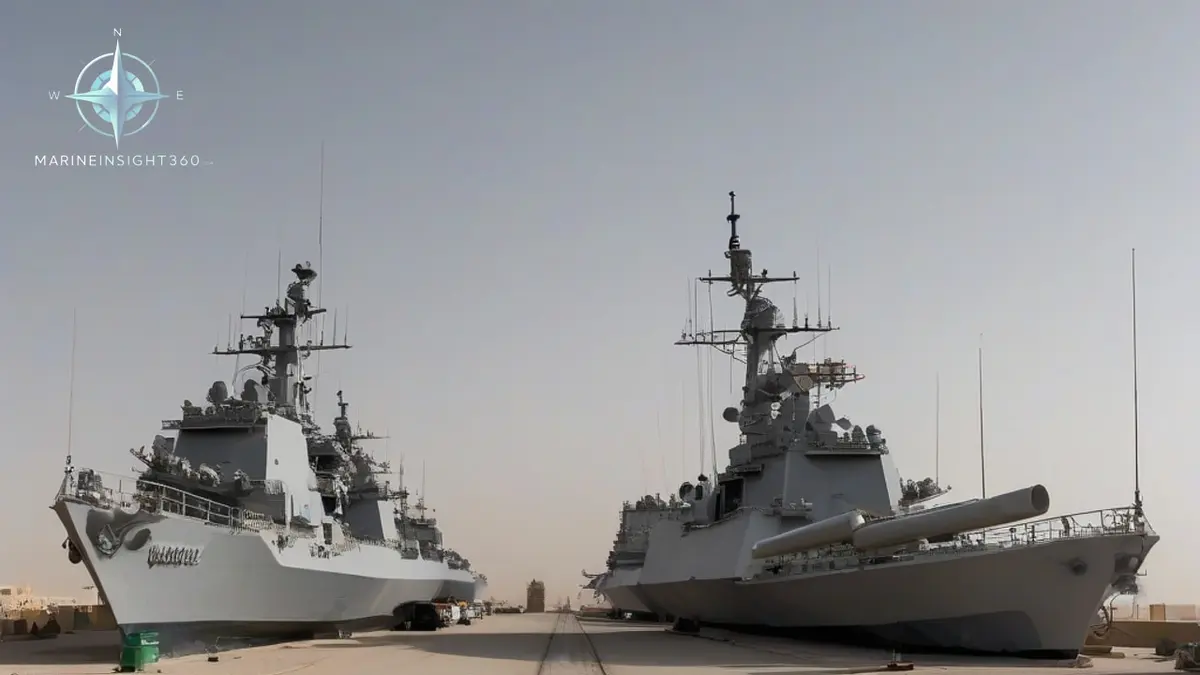
U.S.-Saudi Defense Pact: Impacts on Maritime Security and Shipping
Saudi Arabia and the United States are expanding defense cooperation, with Riyadh reportedly gaining broader access to American military equipment, including the F-35 fighter jet, and to wider security training. Saudi Chief of General Staff Gen. Fayyadh Al-Ruwaili and US Central Command Deputy Commander Lt. Gen. Patrick Frank confirmed the plans, which reach shipping through Red Sea and Arabian Gulf security.
Key Areas of Military Cooperation
1. Equipment Access and Training
Saudi Arabia is reportedly granting broader access to U.S. military equipment, including advanced platforms like the F-35 fighter jet. This aligns with a 2023 agreement to formalize cooperation through the U.S. Defense Department’s National Guard Bureau State Partnership Program. For maritime operators, this could mean increased U.S. military presence in key chokepoints like the Bab-el-Mandeb Strait, potentially affecting transit times and port security assessments.
Training programs for Saudi military personnel will likely expand, with potential spillover benefits for maritime security. However, operators must weigh increased regional stability against possible bureaucratic delays in port clearance due to heightened defense coordination.
2. Strategic Agreements and Regional Security
The 2023 agreement to expand economic and military cooperation builds on a 1975 pact. Recent talks emphasized countering Iranian influence and advancing AI collaboration, which could lead to new surveillance technologies for maritime routes. While this may reduce piracy risks, shipping companies should prepare for more stringent inspections at Saudi ports and potential rerouting of cargo to avoid contested waters.
Ports like Jeddah and Yanbu may see infrastructure upgrades to accommodate joint military exercises, requiring ship operators to adjust berthing schedules and crew training programs.
Operational Impacts for Seafarers and Shippers
Maritime professionals must consider several practical adjustments:
- Security Protocols: Expect more frequent joint patrols in the Red Sea, which could lead to temporary transit restrictions during exercises.
- Cargo Insurance: Insurers may revise premiums based on perceived risk reductions from enhanced defense cooperation, but policyholders should verify coverage details.
- Crew Training: Vessel crews operating near Saudi ports might need additional security training to align with updated U.S.-Saudi joint protocols.
A common mistake is assuming all military cooperation benefits will immediately translate to safer shipping lanes. Delays in implementing new technologies or bureaucratic hurdles could prolong existing challenges in the region.
Future Steps and Industry Relevance
Washington and Riyadh plan to finalize details on F-35 sales and AI collaboration, which could reshape maritime surveillance. For shipping companies, the next phase of cooperation will likely involve:
- Joint military exercises near critical shipping routes
- Enhanced port security frameworks at U.S. and Saudi facilities
- Updated guidelines for cargo inspections and crew vetting
Operators should monitor the Marine Insight 360 Shipboard Operations section for updates on regional security protocols. The evolving U.S.-Saudi relationship underscores the need for proactive risk management in maritime logistics, particularly for vessels transiting the Arabian Gulf and Red Sea.
Where the cooperation actually reaches merchant ships
Defence procurement and merchant shipping meet in a narrower place than the headline suggests. The standing arrangement in the region is the Combined Maritime Forces, a multinational coalition headquartered in Bahrain alongside US naval command there, with Saudi Arabia among its member states. Its Red Sea task force, CTF 153, coordinates maritime security in the Red Sea and the Bab el-Mandeb approaches.
For a master, the practical channel is UKMTO, which takes transit reports, position updates and incident reports from merchant ships in the Red Sea, the Gulf of Aden and the Gulf of Oman. That route does not change when two governments agree an aircraft sale. Nothing in the reported talks alters a bridge procedure, a transit report or an ISPS security level.
The two ports the report names sit at different ends of that trade. Jeddah Islamic Port is the kingdom's main Red Sea container gateway, and Yanbu is its crude and petrochemical terminal at the western end of the East-West pipeline. Security in the Red Sea approaches therefore reaches liner schedules and crude liftings by different routes.
Where an effect would show, if it comes, is slower and further from the bridge: in the threat assessments underwriters use to set war-risk additional premiums, and in whether a listed high-risk area is redrawn. Those move on the incident record rather than on communiques, so a change in premium is the signal worth watching, not the announcement.