
Shell Sees Global LNG Trade Flat In 2026 As Hormuz Disruption Hits Supply
Shell predicts 2026 LNG trade will remain flat due to Hormuz disruptions. Maritime professionals need to plan for 6-8 week facility ramp-up times and rerouting
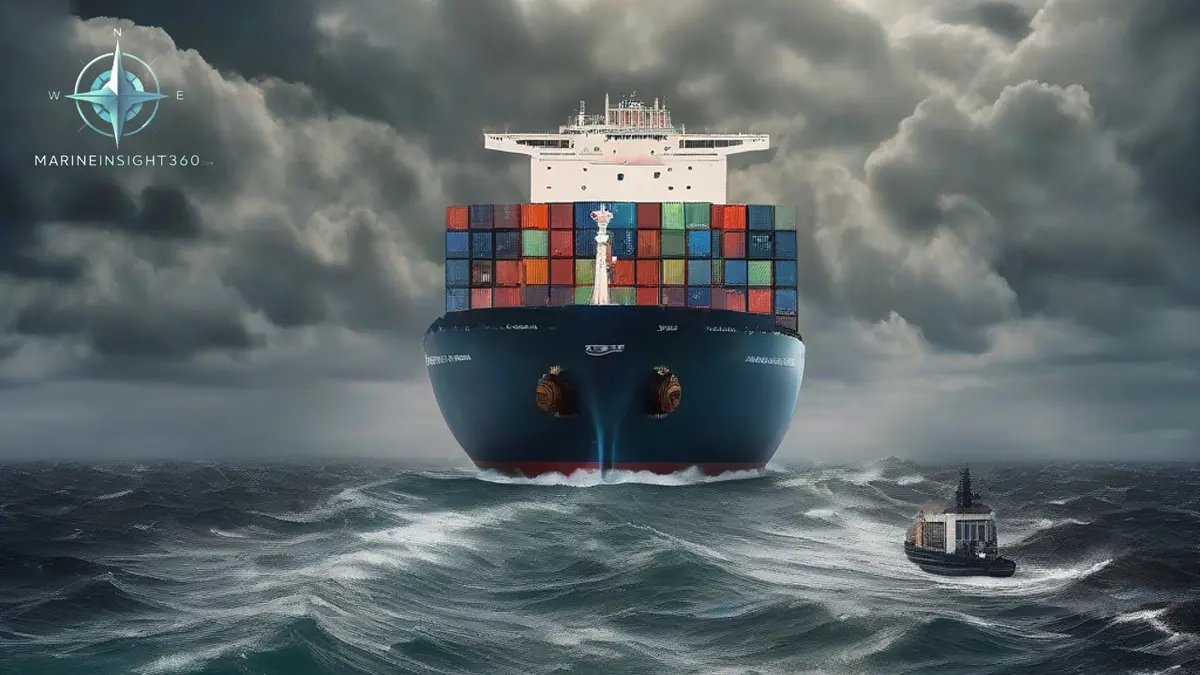
Shell Sees Global Lng Trade is the focus of this article because it connects marine engineers, engine ratings and technical managers with the wider question behind Shell Sees Global LNG Trade Flat In 2026 As Hormuz Disruption Hits Supply.
Shell Forecasts Flat 2026 LNG Trade Amid Hormuz Disruptions
Shell has revised its outlook for global LNG trade in 2026, predicting a flat year-on-year performance due to sustained disruptions in the Strait of Hormuz. The strait, which handles 25% of global seaborne oil trade, has seen nearly 20% of LNG supply removed since March 2026, according to the energy major. This analysis is critical for seafarers, ship operators, and maritime professionals navigating supply chain uncertainties.
Key Factors Affecting LNG Trade
The Strait of Hormuz disruptions have created a "system-wide shock" in the natural gas market. Shell estimates that even if the strait resumes operations by summer 2026, LNG facilities could take six to eight weeks to restore full capacity. This lag highlights the fragility of current infrastructure and the need for contingency planning. For vessels rerouting around the Cape of Good Hope, additional voyage time and fuel costs will impact operational budgets.
Timeline for Recovery
- Short-term (2026): Trade volumes expected to mirror 2025 levels if Hormuz reopens by Q3 2026.
- Medium-term (2027–2030): Gradual recovery dependent on infrastructure repairs and geopolitical stability.
- Long-term (2050): Global demand projected to reach nearly 700 million metric tons/year, driven by energy transition commitments.
Implications for Seafarers and Shipping
For maritime professionals, the Hormuz bottleneck underscores three critical challenges:
- Route planning: Increased reliance on alternative passages may extend transit times by 7–10 days per voyage.
- Supply chain resilience: Operators must prepare for potential delays in LNG cargo turnaround, affecting charter party agreements.
Strategic Outlook for LNG
Shell emphasizes LNG's role in the energy transition, forecasting it will remain central to decarbonization efforts through 2030. However, the current disruptions have exposed vulnerabilities in global supply networks. For crews operating in West Asia, heightened security protocols and route diversification are now standard operational considerations.
Shipping companies should monitor Shell's quarterly LNG market updates for real-time adjustments to these projections. The energy giant's strategic focus on LNG infrastructure resilience offers practical guidance for maritime risk management.
Why this matters
Shell Sees Global Lng Trade matters because maritime decisions rarely sit in one department. A route story may affect insurance, crew planning and cargo timing. A machinery topic may affect maintenance, safety permits and spare-part planning. A career question may affect training, documents and joining readiness.
For readers in the United States, United Kingdom, Europe, Canada, Australia, Singapore and other mature maritime markets, the useful angle is practical: what changes, what remains uncertain, and which checks should happen before a decision is made.
Operational context
In daily maritime work, shell sees global lng trade should be compared with vessel type, flag requirements, company procedures, port expectations, cargo risk and crew competence. The same topic can look different on a container ship, bulk carrier, tanker, offshore vessel, training ship or shore-side logistics desk.
That is why this article avoids treating the subject as a standalone headline. It connects the issue with the checks that marine engineers, engine ratings and technical managers can use when reading a report, preparing for a voyage, reviewing a procedure or planning a career step.
Checks for readers
- Identify whether the topic affects safety, compliance, maintenance, navigation, cargo, careers or commercial planning.
- Confirm the latest company procedure, official notice, training requirement or port instruction before acting.
- Separate background context from instructions that require a qualified officer, engineer, surveyor or shore-side approval.
- Use related Marine Insight 360 pages to build a stronger topic cluster instead of reading one article in isolation.
Evidence and trust signals
A useful maritime article should show where the reader needs evidence, even when the page is an explainer rather than a breaking-news report. Look for dates, vessel context, source attribution, regulatory references, equipment details, route names, job requirements or operational constraints that can be verified.
When evidence is missing or the situation is changing, treat the article as a starting point. For safety-critical, legal, medical, immigration, training or commercial decisions, confirm the details through official channels and qualified professionals.
Common mistakes to avoid
The most common mistake is using a single headline or general article as if it were a vessel-specific instruction. A second mistake is ignoring geography, flag state, ship type, cargo type or rank. A third is missing the difference between background knowledge and a procedure that must be approved onboard or ashore.
Readers should also avoid comparing markets too loosely. Requirements and expectations in the United States, United Kingdom, Australia, Canada, Singapore and Europe can differ from other regions, especially in careers, port compliance, insurance and safety reporting.
Next steps
For related equipment checks and troubleshooting guides, continue with the marine machinery knowledge base. Use the linked hub to compare the topic with related guidance before making operational, training or commercial decisions.


