
Standoff over Strait of Hormuz intensifies after Iran rejects US-backed draft resolution at UNSC
The standoff over the Strait of Hormuz has intensified after Iran rejected a US-backed draft resolution at the United Nations Security Council,...
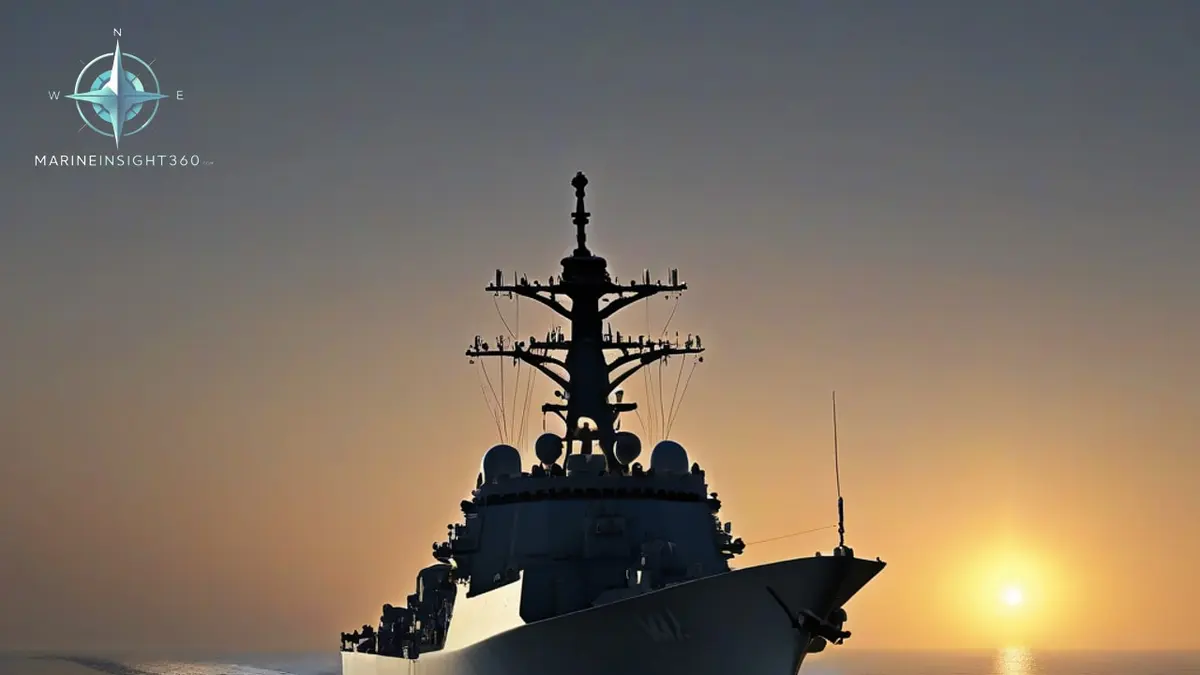
Iran Rejects Us-Backed Draft Resolution is the focus of this article because it connects ship operators, insurers, charterers and route planners with the wider question behind Standoff over Strait of Hormuz intensifies after Iran rejects US-backed draft resolution at UNSC.
The Standoff Unfolds
Seafarers and shipping professionals should note that the Strait of Hormuz is now the focus of a renewed diplomatic clash. After a United Nations Security Council vote was postponed, Iran rejected a draft resolution that the United States had backed. The rejection has sharpened tensions and raised uncertainty for vessels transiting the waterway.
What the Draft Resolution Demands
The resolution, drafted by the United States, calls on Iran to:
- Cease attacks on shipping in the Strait of Hormuz.
- Stop mining activity within the channel.
- End the practice of charging tolls to vessels that pass through.
These provisions aim to restore what the resolution describes as “peaceful navigation” in the strategic waterway.
Iran’s Rejection and Rationale
Iran dismissed the draft as flawed and politically motivated. In a statement, Iranian officials warned the Security Council against any provocative action. They also accused the United States of attempting to manufacture international backing for actions against Tehran through the resolution. Iran’s stance reflects its view that control of the Strait is critical to its national security and economic interests.
International Reactions
Reactions from other major powers have been mixed:
- China has expressed that the US‑backed resolution is not justified, though the full statement remains incomplete.
- Russia and China raised serious concerns over the resolution, indicating that they see potential risks in escalating the situation.
- The United States, together with Bahrain, has delayed the vote on the draft resolution, seeking to rally additional support before proceeding.
Implications for Shipping Operations
While the resolution itself is still pending, the heightened standoff can affect shipping in several ways:
- Increased security alerts may lead to rerouting or additional escort requirements for vessels transiting the Strait.
- Potential for escalated military activity could raise the risk of accidental engagements or mine encounters.
- Changes in toll policies could impact cost calculations for shipping companies that regularly use the channel.
Maritime operators should monitor updates from the International Maritime Organization and the United Nations for any new guidance or advisories that may arise from the evolving diplomatic situation.
What Seafarers Should Monitor
For those on board or managing vessels that may pass through the Strait, key points to keep an eye on include:
- Official statements from the United Nations Security Council regarding any new resolutions or amendments.
- Announcements from the U.S. Central Command about potential strikes on Iranian military infrastructure, as these could influence regional stability.
- Any changes in the status of toll collection or navigation restrictions imposed by Iranian authorities.
Maintaining clear communication with the ship’s master and the company’s maritime security team is essential to respond swiftly to any new developments.
Next Steps for the Maritime Community
Given the current uncertainty, seafarers and shipping professionals should:
- Stay informed through reliable maritime news outlets and official government releases.
- Review the vessel’s risk assessment and contingency plans for the Strait of Hormuz.
- Coordinate with port authorities and maritime security agencies to understand any new operational requirements.
For more detailed guidance on navigating geopolitical risks, consult Marine Insight 360’s Shipboard Operations section, which offers practical advice for crews operating in contested waters.
Why this matters
Iran Rejects Us-Backed Draft Resolution matters because maritime decisions rarely sit in one department. A route story may affect insurance, crew planning and cargo timing. A machinery topic may affect maintenance, safety permits and spare-part planning. A career question may affect training, documents and joining readiness.
For readers in the United States, United Kingdom, Europe, Canada, Australia, Singapore and other mature maritime markets, the useful angle is practical: what changes, what remains uncertain, and which checks should happen before a decision is made.
Operational context
In daily maritime work, iran rejects us-backed draft resolution should be compared with vessel type, flag requirements, company procedures, port expectations, cargo risk and crew competence. The same topic can look different on a container ship, bulk carrier, tanker, offshore vessel, training ship or shore-side logistics desk.
That is why this article avoids treating the subject as a standalone headline. It connects the issue with the checks that ship operators, insurers, charterers and route planners can use when reading a report, preparing for a voyage, reviewing a procedure or planning a career step.
For connected route-risk and trade coverage, continue with the maritime markets hub.
Market context for high-compliance maritime regions
For readers in the United States, United Kingdom, Canada, Australia, Singapore and Europe, Standoff over Strait of Hormuz intensifies after Iran rejects US-backed draft resolution at UNSC should be compared with ports, cargo owners, ship managers, charterers, insurers and route-risk teams. The same maritime topic can have different practical meaning under USCG, MCA, Transport Canada, AMSA, MPA Singapore and European authority expectations.
Use the market links below to connect the article with regional trade exposure, port activity, shipping jobs and commercial maritime demand.


