Skip to content
Engineering

Strait Of Hormuz Under Iran's Control For 30 Days: Iran Foreign Minister

Iran's 30-day control of the Strait of Hormuz from March 4, 2026, affects shipping routes and safety. Key details for seafarers and maritime professionals.
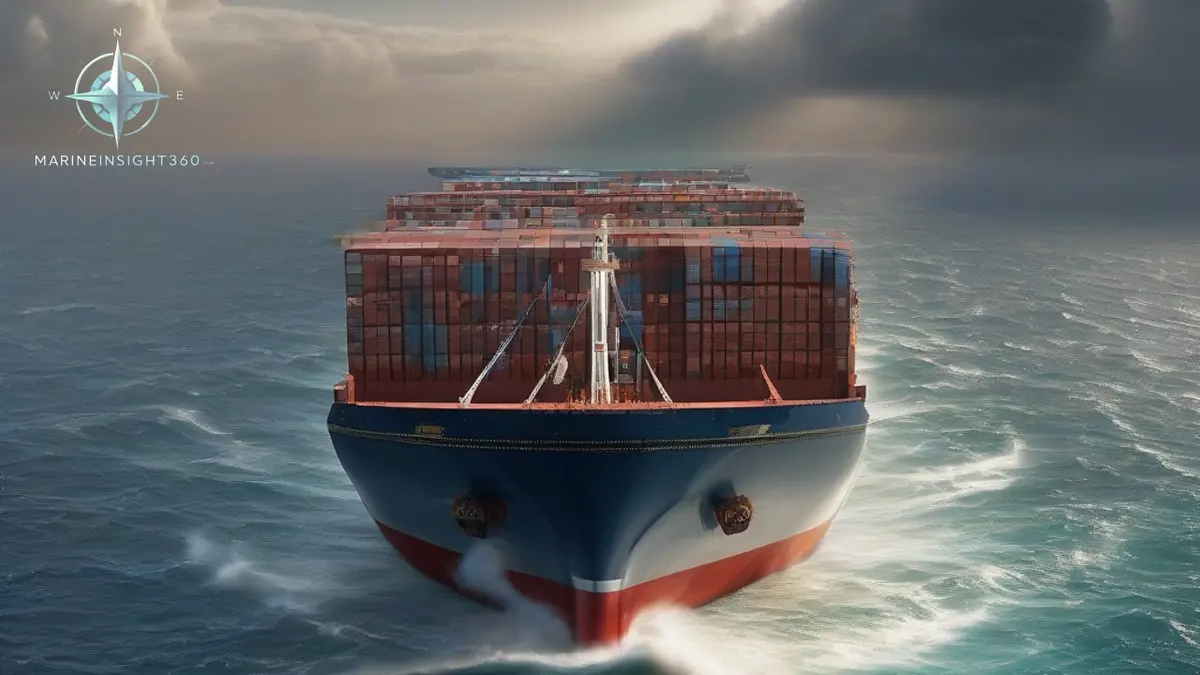
Marine Insight 360· Maritime News, Careers and Knowledge Desk· Jun 30, 2026· 4 min read
Strait Of Hormuz Under Iran's Control For 30 Days: Iran Foreign Minister illustrated with ship engine-room equipment for Marine Insight 360 readers

Iran's 30-Day Control Over Strait of Hormuz: Implications for Seafarers and Shipping

Iran’s Foreign Minister Abbas Araghchi has declared the Strait of Hormuz under Iranian oversight for 30 days starting March 4, 2026. This announcement restricts transit for “tankers and ships of enemies and their allies,” while allowing passage for non-hostile vessels. The move raises immediate concerns for seafarers, shipping operators, and global energy markets.

Key Details of the Declaration

According to official statements, Iran will manage the Strait’s traffic for the next month, with the timeline contingent on “removing all obstacles” to peace. The closure applies selectively: ships linked to countries Iran designates as adversaries face restrictions, while others may proceed under Iranian supervision. Araghchi warned that interference in the peace process could delay reopening beyond the 30-day window.

Operational Risks and Delays

The Strait of Hormuz handles approximately 20% of the world’s oil and gas shipments. Iran’s control introduces several risks: Selective enforcement : Vessels from allied nations may face inspections or rerouting, increasing transit time and fuel costs. Security threats : The source notes attacks on ships attempting to transit, raising safety concerns for crews. Supply chain disruptions : Delays could cascade across global markets, particularly for energy-dependent economies.

Practical Guidance for Seafarers and Operators

Maritime professionals should prioritize the following actions: Route planning : Confirm vessel eligibility with legal advisors and adjust itineraries to avoid Iranian enforcement zones if possible. Communication protocols : Maintain direct contact with shipping agencies and port authorities for real-time updates on transit permissions. Security preparedness : Review onboard safety procedures, including crew training for potential inspections or hostile encounters. Operators are advised to document all interactions with Iranian authorities to mitigate liability in case of disputes.

Broader Industry Implications

Iran’s declaration underscores the strategic vulnerability of global trade routes. For seafarers, this means heightened vigilance during transit and potential rerouting to alternative, longer routes. Shipping companies may face increased insurance premiums and cargo liability claims. The maritime industry must also prepare for prolonged geopolitical uncertainty, which could persist beyond the 30-day window if peace negotiations stall.

Next Steps for the Maritime Community

Monitor developments through official channels like the International Chamber of Shipping and Iran’s Ministry of Foreign Affairs. Marine Insight 360’s Knowledge Base and Shipboard Operations sections provide tools for tracking geopolitical risks and optimizing voyage planning during this period.

Why this matters

Hormuz Under Iran matters because maritime decisions rarely sit in one department. A route story may affect insurance, crew planning and cargo timing. A machinery topic may affect maintenance, safety permits and spare-part planning. A career question may affect training, documents and joining readiness.

For readers in the United States, United Kingdom, Europe, Canada, Australia, Singapore and other mature maritime markets, the useful angle is practical: what changes, what remains uncertain, and which checks should happen before a decision is made.

Operational context

In daily maritime work, hormuz under iran should be compared with vessel type, flag requirements, company procedures, port expectations, cargo risk and crew competence. The same topic can look different on a container ship, bulk carrier, tanker, offshore vessel, training ship or shore-side logistics desk.

That is why this article avoids treating the subject as a standalone headline. It connects the issue with the checks that marine engineers, engine ratings and technical managers can use when reading a report, preparing for a voyage, reviewing a procedure or planning a career step.

Checks for readers

  • Identify whether the topic affects safety, compliance, maintenance, navigation, cargo, careers or commercial planning.
  • Confirm the latest company procedure, official notice, training requirement or port instruction before acting.
  • Separate background context from instructions that require a qualified officer, engineer, surveyor or shore-side approval.
  • Use related Marine Insight 360 pages to build a stronger topic cluster instead of reading one article in isolation.

Evidence and trust signals

A useful maritime article should show where the reader needs evidence, even when the page is an explainer rather than a breaking-news report. Look for dates, vessel context, source attribution, regulatory references, equipment details, route names, job requirements or operational constraints that can be verified.

When evidence is missing or the situation is changing, treat the article as a starting point. For safety-critical, legal, medical, immigration, training or commercial decisions, confirm the details through official channels and qualified professionals.

Common mistakes to avoid

The most common mistake is using a single headline or general article as if it were a vessel-specific instruction. A second mistake is ignoring geography, flag state, ship type, cargo type or rank. A third is missing the difference between background knowledge and a procedure that must be approved onboard or ashore.

Readers should also avoid comparing markets too loosely. Requirements and expectations in the United States, United Kingdom, Australia, Canada, Singapore and Europe can differ from other regions, especially in careers, port compliance, insurance and safety reporting.

Filed under:Engineering

Recommended Reading