Suez Canal Will Raise Surcharge Fees as It Still Looks to Increase Transits
The Suez Canal Authority plans to raise surcharge fees even as it works to rebuild transit numbers on the Europe-Asia route.
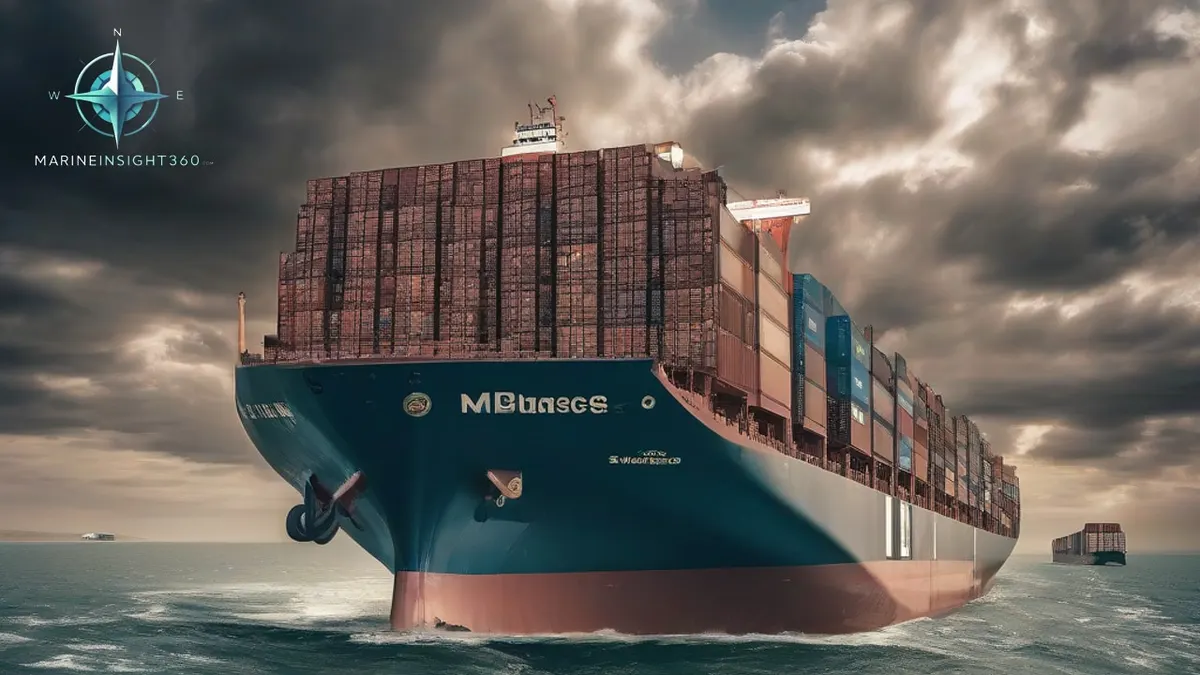
The Suez Canal Authority has announced plans to raise surcharge fees even as it tries to increase transits, because the canal funds itself from tolls and per-transit pricing is the remaining lever when volumes fall.
The announcement
The Suez Canal Authority has announced plans to raise surcharge fees as part of its effort to increase transits. The move lands on shipowners and operators who use the waterway connecting Europe and Asia, a route that carries container ships, tankers and bulk carriers on the shortest path between the two.
The pairing looks paradoxical: higher charges from an authority trying to win traffic back. The logic is revenue management. The canal funds itself through tolls, and when transit volumes fall, pricing per transit is the remaining lever.
The routing mathematics
Every operator runs the same comparison: canal tolls and surcharges against the cost of the long way around the Cape of Good Hope. The Cape adds thousands of miles, days of steaming and a substantial fuel bill, but it charges no toll and avoids regional transit risk. Where that comparison settles differs by vessel size, fuel price, charter rates and the value of schedule time.
Surcharge increases shift the balance point at the margin. For high-value container services where time is money, the canal retains a strong pull; for some bulk trades, the spread narrows enough that routing decisions genuinely flip.
What operators should do with this
Treat canal pricing as a live input rather than a fixed cost. Voyage estimates should carry current surcharge schedules, and charter parties need clarity on who bears toll changes announced mid-fixture. Forward schedules for services using the canal deserve a sensitivity check at the new rates.
The canal remains one of the world's great trade arteries, and its pricing decisions ripple into freight rates and transit times far beyond Egypt. When the toll booth on a shortcut this important changes its prices, the whole routing map quietly recalculates.
The authority's push to rebuild transits is itself the backdrop worth remembering. Traffic through the canal depends on conditions in the waters approaching it, and security concerns in the region have kept a share of tonnage on longer routings despite the canal's advantages. Pricing can tilt marginal decisions, but the fuller recovery of transit numbers rides on operators' confidence in the whole corridor, which no fee schedule can purchase on its own.
The wider stakes
Why give this shipping story attention? Because in shipping a single event ripples outward, to owners, cargo interests, insurers, ports and crews, faster than the first report suggests.
What matters is separating the confirmed facts from the knock-on effects on cost, routing, compliance and hiring.
How it plays out in practice
The practical footprint of a shipping story reaches schedules, insurance clauses, crew briefings and procurement. Knowing which desk owns the response is half the work.
And because reporting evolves, weigh it against authoritative sources, regulators, class societies and port authorities, before it drives a decision.
What comes next
- Follow-up notices from port, flag or class bodies.
- Effects on chartering decisions, crewing demand or compliance workload.
- Whether the story escalates beyond its first market.
- New detail that firms up or scales back the initial account.
What this means for you
Read this shipping development in two layers: what has actually been confirmed, and what it changes on the ground. The announcement is the easy part; the part worth your time is who it affects, which records to check, and whether it touches cost, schedule, compliance or crewing.