Talks on to free 3 ships from Somali pirates
Details on ongoing efforts to free three merchant vessels and 33 hostages held by Somali pirates, including ransom demands and IMO response
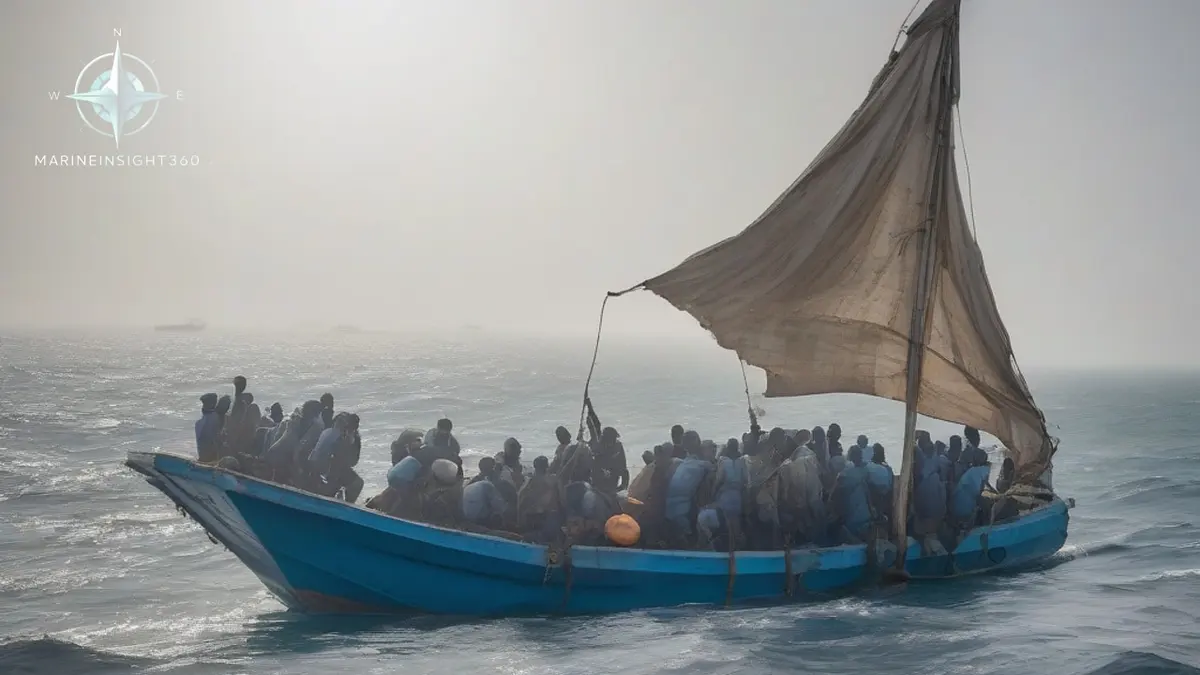
Ongoing negotiations to free three merchant vessels held by Somali pirates
Ransom negotiations are currently underway to secure the release of three hijacked merchant ships and their crews held by Somali pirates. The talks involve shipowners, flag states, and international bodies like the International Maritime Organization (IMO). A $3 million ransom has been demanded for 17 hostages, including ten Pakistani nationals, while separate efforts focus on freeing 16 Syrian sailors captured during a recent hijacking.
Ransom demands and operational challenges
Pirates have set a $3 million ransom for the first group of hostages, a figure that reflects patterns from past incidents. However, paying ransoms remains controversial. Shipping companies face a critical decision: expedite crew safety through payment or risk prolonged captivity while adhering to industry guidelines discouraging ransom payments. The latter approach, though ethically preferable, may expose crews to greater danger during extended negotiations.
Operators must also consider logistical complexities. Hijacked vessels are often moved to remote locations, complicating rescue operations. For example, the 2009 Maersk Alabama hijacking required U.S. Navy intervention after pirates transferred the ship to a smaller vessel. Modern cases increasingly involve multiple nationalities, requiring coordinated diplomatic efforts between flag states and shipping registries.
Historical context and piracy trends
Somali piracy has targeted vulnerable vessels since the early 2000s, with cargo ships, fishing boats, and yachts all at risk. The 2009 Maersk Alabama incident highlighted the potential for military intervention when 3 pirates were killed during a U.S. Navy rescue operation. More recently, the MV Iceberg 1 was held for nearly 1,000 days before being freed by private security forces—a case underscoring the long-term operational and financial impacts of hijackings.
The current crisis mirrors earlier patterns: pirates exploit weakly defended ships, often in the Gulf of Aden, and use ransom demands as leverage. While armed guards and fortified ship designs have reduced attacks, the region remains a hotspot due to limited coastal governance in Somalia.
Role of the IMO and anti-piracy protocols
The IMO has escalated calls for the release of crews, emphasizing the humanitarian crisis facing hostages. Its guidance urges states to avoid payments that sustain piracy networks while promoting coordinated maritime patrols. For vessels transiting high-risk zones, the organization recommends:
- Deploying approved private security teams
- Following best management practices (BMP5) for evasion and defense
- Maintaining real-time communication with regional coordination centers
For seafarers, adherence to these protocols remains vital. Crews should conduct regular anti-piracy drills, secure restricted areas on board, and report suspicious activity immediately. The U.S. Merchant Marine and UK Merchant Navy both require vessels to follow these measures as part of their safety certifications.
Industry response and next steps
Shipping companies are balancing immediate crew safety with long-term deterrence strategies. While ransom negotiations continue, industry groups advocate for increased naval patrols and stricter enforcement of Somalia’s territorial waters. For real-time updates on piracy threats and mitigation strategies, refer to the Marine Insight 360 Knowledge Base section on maritime security.
Reporting and registration before a Gulf of Aden transit
Ships entering the high risk area report to UK Maritime Trade Operations and register the passage with the Maritime Security Centre – Horn of Africa. Those two steps put the vessel on the plot the naval forces work from. A ship that never reported is a ship the coalition did not know was there, and it is the first thing an investigation looks for afterwards.
What hardening a ship against boarding means in practice
The measures are physical. Razor wire along the lowest freeboard, accesses locked down to one controlled door, fire hoses charged and led over the side, extra lookouts with binoculars and night vision. Speed and freeboard do most of the work. Guidance has long held that a fast ship with high sides is a poor target, and the vessels taken are usually the slow, low ones.
The citadel is the last measure and the one that fails most often. It works only if every crew member is inside and accounted for, if it has communications independent of the bridge, and if the ship can be immobilised from within. A citadel with one person still outside removes the naval option it exists to create.
Why a ransom is not simply a payment
Owners appoint a response consultant and stand up a crisis team ashore, and the flag state and the P and I club are told early. Kidnap and ransom cover, where it is carried, pays the ransom, the consultant and the delivery. The constraint that decides the case is sanctions law: no payment may reach a designated person or entity, and US persons are bound by OFAC designations whatever the ship flies.
Time is the other constraint. The MV Iceberg 1 case noted earlier ran to nearly 1,000 days. Crew health, stores, fresh water and the condition of the ship itself all deteriorate across a negotiation measured in months rather than weeks.
For the drills, watch arrangements and security procedures behind these measures, continue with the shipboard operations knowledge base.