
Trump challenges NATO on Iran war loyalty as U.S. reviews Europe posture - CHOSUNBIZ
Trump challenges NATO on Iran war loyalty as U.S. reviews Europe posture - CHOSUNBIZ: ports, trade and shipping-market context for US, UK, Canada,...
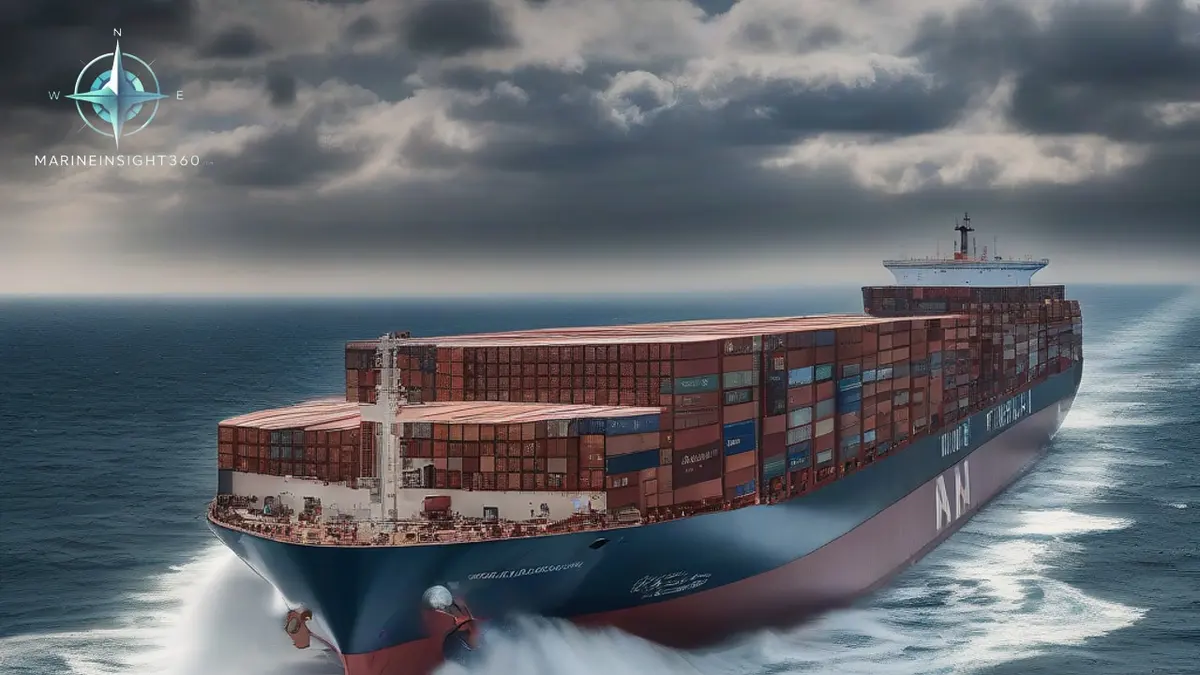
Trump Challenges Nato is the focus of this article because it connects ship operators, insurers, charterers and route planners with the wider question behind Trump challenges NATO on Iran war loyalty as U.S. reviews Europe posture - CHOSUNBIZ.
Trump's NATO Loyalty Challenges and Maritime Implications
U.S. President Donald Trump has publicly criticized NATO allies for failing to support his administration’s military actions in Iran, framing the issue as a test of loyalty. For maritime professionals, these geopolitical tensions could influence NATO’s strategic priorities, including maritime security operations in the Persian Gulf and European waters. Understanding this dynamic is critical for assessing risks to shipping routes and international trade.
Key Points from Trump’s NATO Criticism
Trump has repeatedly accused European NATO members of insufficient support during the U.S.-led campaign against Iran. During a meeting with NATO Secretary General Mark Rutte, he expressed frustration that allies did not “step up” during the conflict, calling their response a failure of loyalty. This rhetoric aligns with broader U.S. demands for increased defense spending and closer military cooperation from NATO partners.
- Trump framed the Iran conflict as a test of NATO’s commitment to U.S. military campaigns.
- European allies reportedly contributed logistical support but avoided direct involvement in combat operations.
- Iran has accused NATO of complicity in U.S. actions, potentially escalating regional tensions.
Impact on Maritime Operations
For seafarers and shipping operators, shifts in NATO’s strategic focus could affect maritime security in several ways:
- Trade route security: NATO’s role in protecting critical waterways (e.g., the Strait of Hormuz) may be reassessed if transatlantic unity weakens.
- Joint exercises: Reduced U.S.-European cooperation could alter the frequency and scope of multinational naval drills.
- Resource allocation: Diverting NATO resources to address U.S. priorities might reduce capacity for other regional missions.
Shipping companies operating in the Persian Gulf or relying on NATO-protected routes should monitor diplomatic developments closely. A fragmented alliance could lead to gaps in maritime security, increasing risks for commercial vessels.
What Seafarers Should Consider
1. Route planning: Assess potential disruptions to high-risk areas due to changing NATO commitments. 2. Insurance and compliance: Verify that coverage accounts for geopolitical volatility in key trade zones. 3. Crew preparedness: Train for scenarios involving heightened tensions, such as piracy or military activity near shipping lanes.
While the U.S. reviews its European defense posture, maritime professionals must balance geopolitical uncertainty with operational planning. The situation underscores the importance of staying informed about alliance dynamics that could affect global shipping networks.
Next Steps for Industry Stakeholders
Review Marine Insight 360’s Knowledge Base section for updates on NATO operations and maritime security protocols. For real-time analysis of geopolitical impacts on shipping, explore the Blog for expert commentary and regional risk assessments.
Why this matters
Trump Challenges Nato matters because maritime decisions rarely sit in one department. A route story may affect insurance, crew planning and cargo timing. A machinery topic may affect maintenance, safety permits and spare-part planning. A career question may affect training, documents and joining readiness.
For readers in the United States, United Kingdom, Europe, Canada, Australia, Singapore and other mature maritime markets, the useful angle is practical: what changes, what remains uncertain, and which checks should happen before a decision is made.
Operational context
In daily maritime work, trump challenges nato should be compared with vessel type, flag requirements, company procedures, port expectations, cargo risk and crew competence. The same topic can look different on a container ship, bulk carrier, tanker, offshore vessel, training ship or shore-side logistics desk.
That is why this article avoids treating the subject as a standalone headline. It connects the issue with the checks that ship operators, insurers, charterers and route planners can use when reading a report, preparing for a voyage, reviewing a procedure or planning a career step.
Checks for readers
- Identify whether the topic affects safety, compliance, maintenance, navigation, cargo, careers or commercial planning.
- Confirm the latest company procedure, official notice, training requirement or port instruction before acting.
- Separate background context from instructions that require a qualified officer, engineer, surveyor or shore-side approval.
- Use related Marine Insight 360 pages to build a stronger topic cluster instead of reading one article in isolation.
Evidence and trust signals
A useful maritime article should show where the reader needs evidence, even when the page is an explainer rather than a breaking-news report. Look for dates, vessel context, source attribution, regulatory references, equipment details, route names, job requirements or operational constraints that can be verified.
When evidence is missing or the situation is changing, treat the article as a starting point. For safety-critical, legal, medical, immigration, training or commercial decisions, confirm the details through official channels and qualified professionals.
For connected route-risk and trade coverage, continue with the maritime markets hub.
Market context for high-compliance maritime regions
For readers in the United States, United Kingdom, Canada, Australia, Singapore and Europe, Trump challenges NATO on Iran war loyalty as U.S. reviews Europe posture - CHOSUNBIZ should be compared with ports, cargo owners, ship managers, charterers, insurers and route-risk teams. The same maritime topic can have different practical meaning under USCG, MCA, Transport Canada, AMSA, MPA Singapore and European authority expectations.
Use the market links below to connect the article with regional trade exposure, port activity, shipping jobs and commercial maritime demand.


