
UN warns Hormuz disruption could leave lasting economic scars
UN warns Hormuz disruption could leave lasting economic scars, detailing fuel costs, transit delays, and global price impacts for seafarers.
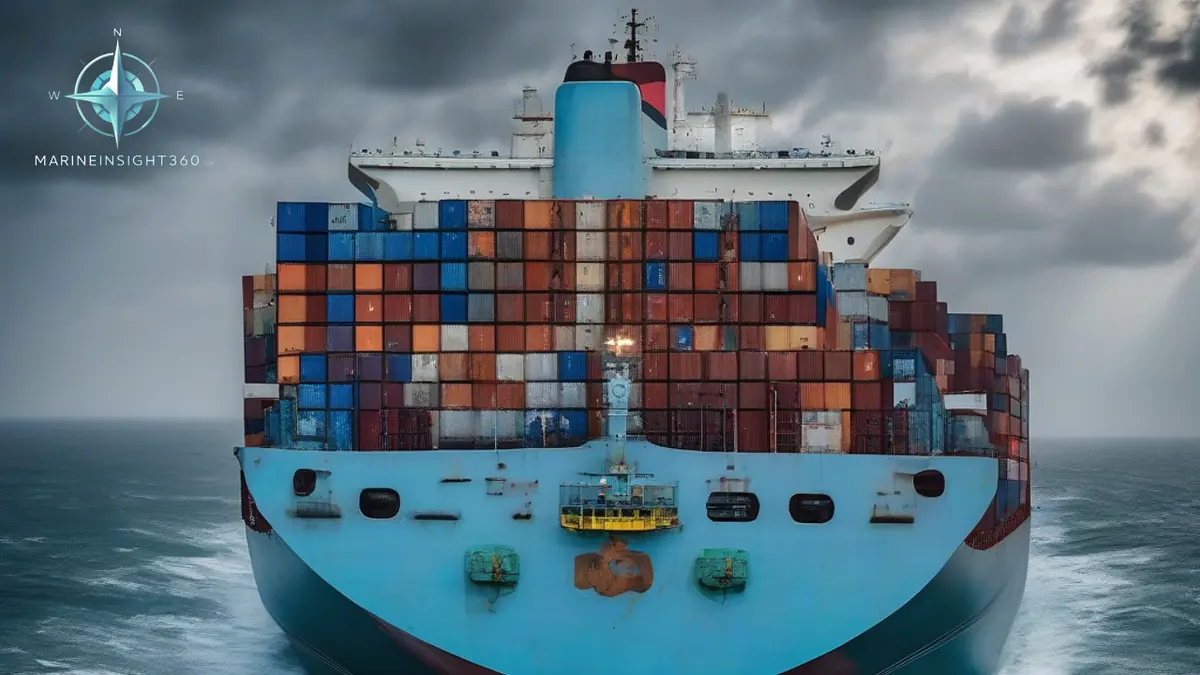
Leave Lasting Economic Scars is the focus of this article because it connects marine engineers, engine ratings and technical managers with the wider question behind UN warns Hormuz disruption could leave lasting economic scars.
Immediate Impact of the Strait of Hormuz Closure
The Strait of Hormuz closed on 4 March 2026, halting oil and LNG exports. Brent Crude rose above $120 per barrel, forcing shipping lines to seek alternative routes.
Economic Consequences for Global Markets
UN Secretary‑General António Guterres warned that the crisis could push tens of millions into poverty and trigger a surge in global hunger. The OECD cautioned that a prolonged shock could deal a severe blow to the global economy.
Reports indicate a sustained price surge could add over $20 billion to global costs. If the disruption continues, oil prices may climb toward $100 per barrel or higher.
Rerouting Through Saudi Arabia’s East Coast
Many vessels have shifted to the Gulf of Aden and the Arabian Sea, adding extra distance and fuel consumption. While this path reduces immediate risk, it increases transit time and port congestion at alternative hubs.
Decision Criteria for Shipping Companies
- Fuel cost: Longer routes raise diesel or LNG usage.
- Transit time: Extended voyages delay deliveries and affect contractual obligations.
- Insurance premiums: Higher risk zones may increase coverage costs.
- Port fees: Alternative ports often charge higher berth and handling fees.
- Regulatory compliance: New routes may require additional permits or environmental assessments.
Common Mistakes to Avoid
Underestimating fuel consumption can leave a vessel short on reserves. Ignoring insurance adjustments may expose a company to unexpected liabilities. Failing to notify stakeholders—clients, insurers, and port authorities—can delay approvals and create operational bottlenecks.
Edge Cases for Different Vessel Types
Tankers and LNG carriers face higher fuel penalties on detours, while smaller cargo ships may struggle with port congestion and limited berth availability. All vessels must reassess ballast plans to maintain stability on longer passages.
Implications for Crew and Operations
Extended voyages increase crew fatigue and strain onboard resources. Safety protocols must be reinforced, especially in unfamiliar waters. Crew welfare programs should address longer shore leave intervals and potential isolation.
Concrete Next Steps for Seafarers and Shipping Professionals
1. Monitor official maritime advisories and UN statements for updates on the Hormuz situation. 2. Recalculate voyage plans, factoring in fuel, time, and insurance changes. 3. Communicate revised schedules to clients and insurers promptly. 4. Coordinate with port authorities to secure berths and clearances on alternative routes. 5. Review crew welfare arrangements to accommodate longer passages.
For further guidance, consult Marine Insight 360’s Shipboard Operations section, which offers detailed checklists for rerouting and risk mitigation.
Why this matters
Leave Lasting Economic Scars matters because maritime decisions rarely sit in one department. A route story may affect insurance, crew planning and cargo timing. A machinery topic may affect maintenance, safety permits and spare-part planning. A career question may affect training, documents and joining readiness.
For readers in the United States, United Kingdom, Europe, Canada, Australia, Singapore and other mature maritime markets, the useful angle is practical: what changes, what remains uncertain, and which checks should happen before a decision is made.
Operational context
In daily maritime work, leave lasting economic scars should be compared with vessel type, flag requirements, company procedures, port expectations, cargo risk and crew competence. The same topic can look different on a container ship, bulk carrier, tanker, offshore vessel, training ship or shore-side logistics desk.
That is why this article avoids treating the subject as a standalone headline. It connects the issue with the checks that marine engineers, engine ratings and technical managers can use when reading a report, preparing for a voyage, reviewing a procedure or planning a career step.
Checks for readers
- Identify whether the topic affects safety, compliance, maintenance, navigation, cargo, careers or commercial planning.
- Confirm the latest company procedure, official notice, training requirement or port instruction before acting.
- Separate background context from instructions that require a qualified officer, engineer, surveyor or shore-side approval.
- Use related Marine Insight 360 pages to build a stronger topic cluster instead of reading one article in isolation.
Evidence and trust signals
A useful maritime article should show where the reader needs evidence, even when the page is an explainer rather than a breaking-news report. Look for dates, vessel context, source attribution, regulatory references, equipment details, route names, job requirements or operational constraints that can be verified.
When evidence is missing or the situation is changing, treat the article as a starting point. For safety-critical, legal, medical, immigration, training or commercial decisions, confirm the details through official channels and qualified professionals.


