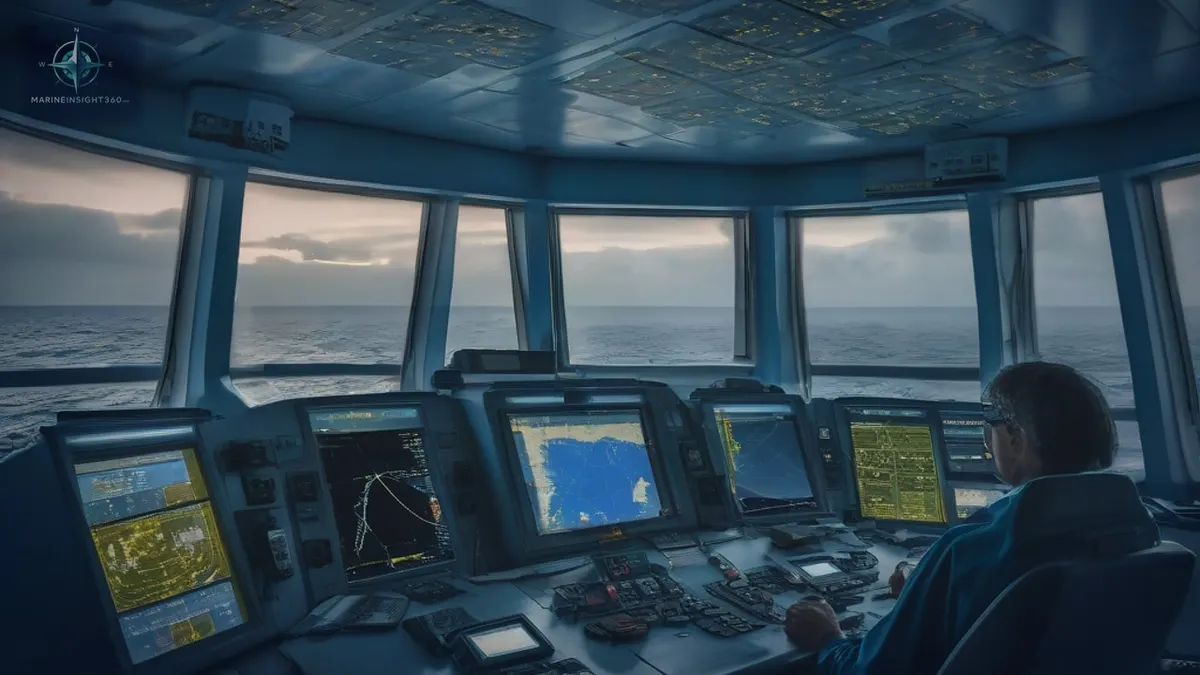
US Launches Attack on Iran | Latest Middle East War Update
Explore how the US attack on Iran impacts global shipping, routes, insurance, and crew safety. Get practical guidance for seafarers and operators.
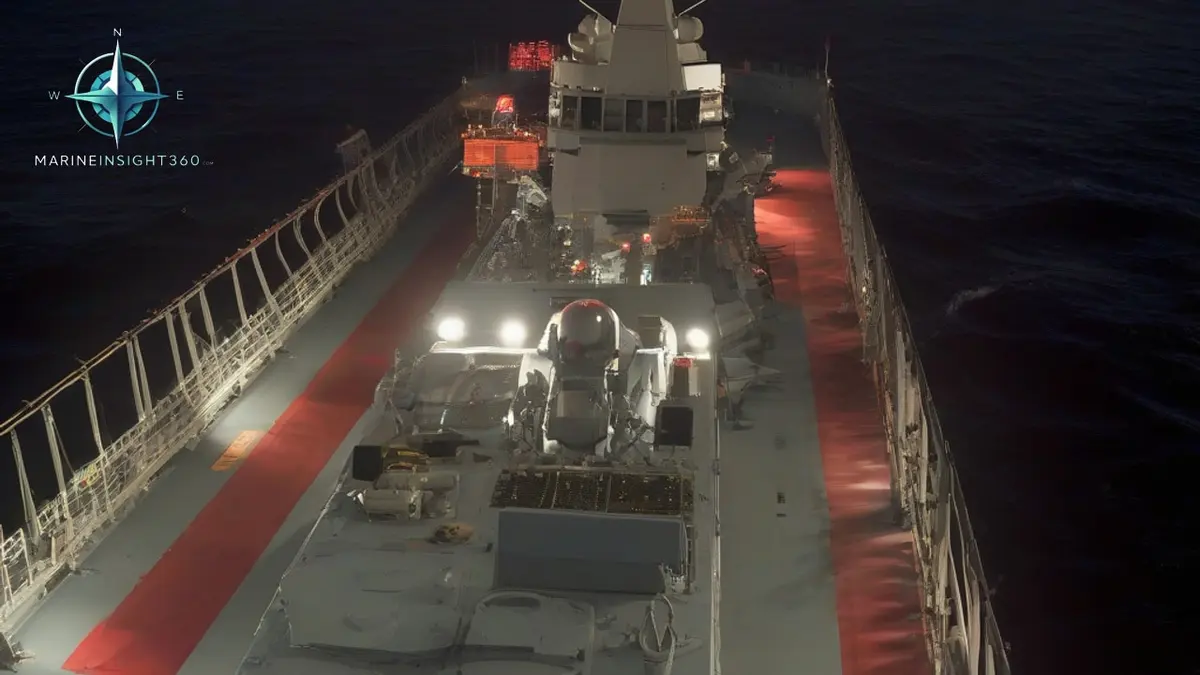
A US attack on Iran raises immediate risk on three shipping corridors, the Strait of Hormuz, the Gulf of Oman and the Red Sea, and operators must recheck routing, war risk insurance and crew security plans.
US Launches Attack on Iran: Immediate Shipping Concerns
The Capital TV YouTube video titled “US Launches Attack on Iran | Latest Middle East War Update | Breaking News” reports that the United States has begun a military operation against Iran. The announcement comes amid heightened tensions in the region, a hotspot for international shipping. Seafarers, cadets, and shipping professionals must understand how this escalation can ripple through global trade routes, insurance markets, and crew safety protocols.
Route Planning and Risk Assessment
When hostilities flare, the most immediate question for operators is whether to alter existing routes. The Strait of Hormuz, the Gulf of Oman, and the Red Sea are the most exposed corridors for vessels carrying oil, LNG, and container cargo. A sudden attack can trigger maritime security alerts from the International Maritime Organization and the U.S. Naval Forces Central Command, which may issue “Safe Passage” or “Avoidance” advisories.
Decision criteria for rerouting include:
- Geopolitical Stability: Monitor real‑time updates from reputable news outlets and official maritime security bulletins.
- Insurance Coverage: Verify whether the vessel’s hull and cargo insurance includes coverage for war risks in the affected area.
- Operational Cost: Estimate additional fuel, port fees, and crew overtime that rerouting may incur.
- Time‑Critical Cargo: Evaluate whether the cargo’s delivery window allows for detours without breaching contractual obligations.
A common mistake is to rely solely on the first alert received. Operators should cross‑check with multiple sources, including the U.S. Coast Guard’s Navigation Center and the maritime security advisories published by MARAD.
Insurance and Liability Considerations
War risk insurance is a specialized policy that covers damage or loss resulting from armed conflict. The new U.S. attack on Iran may trigger a “war clause” in many standard hull and cargo policies. Shipowners should immediately contact their insurers to confirm:
- Coverage Limits: War risk policies often have lower limits than standard hull policies.
- Exclusions: Certain types of damage, such as that caused by missile strikes, may be excluded.
- Premium Adjustments: The likelihood of future attacks can lead to higher premiums or the need for additional riders.
Failing to verify coverage can leave operators exposed to significant financial loss. A prudent approach is to maintain a “war risk” addendum in all contracts that involve passage through high‑risk zones.
Crew Safety and Training
Crew safety remains paramount when a vessel passes near conflict zones. Maritime regulations, such as the International Safety Management (ISM) Code, require that ships operating in high‑risk areas have a dedicated security plan. Key actions include:
- Security Briefings: Conduct regular briefings that cover the latest threat assessments and emergency procedures.
- Physical Barriers: Install reinforced bulkheads and secure access points to protect critical areas.
- Communication Protocols: Ensure that crew can maintain contact with shore authorities and the ship’s master during an incident.
- Medical Preparedness: Stock trauma kits and train crew in basic first aid for injuries that may arise from missile or drone strikes.
A frequent oversight is assuming that standard emergency drills cover all scenarios. Operators should tailor drills to include “missile impact” and “airborne threat” responses, especially for vessels with high-value cargo.
Long‑Term Strategic Implications
Beyond immediate operational changes, the U.S. attack on Iran may shift the strategic landscape for global shipping. Potential long‑term effects include:
- Altered Shipping Lanes: Persistent instability could force a permanent shift away from the Gulf of Aden and the Red Sea, increasing transit times.
- Port Congestion: Nearby ports may experience heightened security checks, leading to longer turnaround times.
- Regulatory Updates: The International Maritime Organization may issue new guidelines on war risk insurance and crew safety.
- Market Volatility: Freight rates for oil and container traffic could rise as carriers demand higher premiums for risk‑laden routes.
Shipping companies should incorporate scenario planning into their strategic reviews, ensuring that contingency routes, insurance portfolios, and crew training programs are resilient to sudden geopolitical shifts.
Why This Matters to Shipping Professionals
Understanding the operational, financial, and safety ramifications of a U.S. attack on Iran equips seafarers and shipowners to make informed decisions that protect cargo, crew, and capital. The situation underscores the need for continuous monitoring, robust insurance coverage, and proactive crew training.
Who a merchant ship reports to in this region
Two organisations carry the traffic. UKMTO in Dubai runs the Voluntary Reporting Area covering the Gulf of Oman, the Arabian Gulf, the Gulf of Aden and the Red Sea, and takes entry, daily position and incident reports from merchant ships. The Joint Maritime Information Center in Bahrain publishes threat assessments written for industry rather than for warships.
For US flag and US owned tonnage, MARAD issues numbered maritime advisories naming the specific waters and the specific threat. Those advisories, not a broadcast news report, are what an operator files against a decision to sail. Routing for this corridor is covered in the Strait of Hormuz guide.
The hazard that actually reaches the bridge
Missile risk takes the headlines. Interference with satellite navigation is what watchkeepers meet. Jamming and spoofing of GNSS around the Gulf has put displayed positions ashore or many miles off track, and it can pull the ECDIS, the AIS output and the radar overlay out of agreement at the same time.
The failure is quiet, which is the problem. A spoofed position looks like a valid fix rather than an alarm, so the cross-check has to be habitual: parallel indexing off radar, visual and radar bearings on charted marks, and the echo sounder against charted depth. Jamming is worth reporting, because the pattern is what warns the next ship.
Next Step
For updated routing guidelines and risk assessment tools, consult Marine Insight 360’s Shipboard Operations section. This resource offers real‑time updates and best‑practice templates tailored to the Middle East region.