
US launches powerful strikes on Iran over Strait of Hormuz ship attacks
US military strikes Iranian military infrastructure following attacks on commercial ships in the Strait of Hormuz. Key details for seafarers and shipping profes
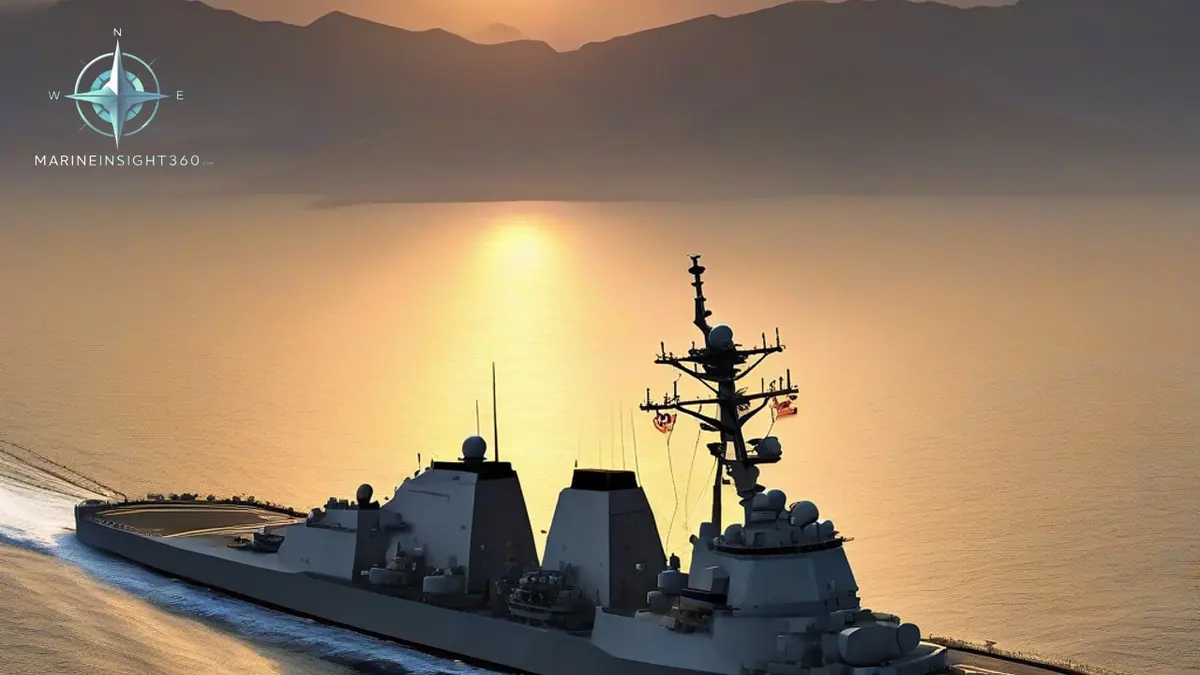
Launches Powerful Strikes is the focus of this article because it connects ship operators, insurers, charterers and route planners with the wider question behind US launches powerful strikes on Iran over Strait of Hormuz ship attacks.
US Airstrikes on Iran Target Military Infrastructure Following Hormuz Strait Attacks
On [date not specified], the US military conducted precision strikes against Iranian air defense systems, command centers. Coastal radar installations in response to attacks on commercial vessels transiting the Strait of Hormuz. The operation, described as targeting over 80 military sites, follows Iran’s alleged sabotage of three ships in the critical waterway. For seafarers and maritime professionals, this escalation raises urgent questions about operational safety and geopolitical risks in one of the world’s busiest shipping lanes.
Key Details of the US Military Response
The US Central Command (CENTCOM) confirmed the strikes focused on:
- Air defense systems
- Command-and-control networks
- Coastal radar installations
- Anti-ship missile infrastructure
According to official statements, the operation aimed to degrade Iran’s ability to conduct future attacks on commercial and military vessels in the region. The scale of the strikes—reportedly involving more than 60 precision-guided munitions—underscored the US military’s emphasis on surgical targeting rather than broad-scale destruction.
Strait of Hormuz: A Vital but Vulnerable Corridor
Over 20% of the world’s daily oil exports pass through the Strait of Hormuz, making it a strategic chokepoint. The recent attacks disrupted this vital artery, with potential ripple effects on global energy markets. Seafarers navigating the region should remain vigilant for:
- Increased presence of naval escorts
- Unannounced security drills
- Heightened surveillance by regional forces
Maritime operators are advised to maintain up-to-date voyage planning and coordinate with flag state authorities for real-time updates.
Operational Implications for Seafarers
While the US claims the strikes were defensive, the situation remains fluid. Key considerations for crews include:
- Reviewing ship security plans (SSP) for regional contingencies
- Ensuring ECDIS routes avoid high-risk zones
- Confirming insurance coverage for political violence
Captains should establish direct communication with company security officers and regional maritime authorities to stay informed about evolving threats.
Historical Context and Risk Mitigation
This incident follows a pattern of Iran-US maritime confrontations dating back to 2019, when similar attacks on tankers prompted a US military buildup in the Gulf. For cadets and junior officers, understanding these historical precedents is critical for career-long risk assessment. The current situation highlights the importance of:
- Proficiency in bridge resource management during high-stress scenarios
- Maintaining situational awareness of geopolitical developments
- Adhering to SOLAS Chapter XI-2 requirements for enhanced security measures
Operators should also consider the human element—training crews to remain calm and follow established protocols during unexpected security incidents.
For further guidance on navigating politically sensitive waters, consult Marine Insight 360’s Knowledge Base section on maritime security best practices.
Why this matters
Launches Powerful Strikes matters because maritime decisions rarely sit in one department. A route story may affect insurance, crew planning and cargo timing. A machinery topic may affect maintenance, safety permits and spare-part planning. A career question may affect training, documents and joining readiness.
For readers in the United States, United Kingdom, Europe, Canada, Australia, Singapore and other mature maritime markets, the useful angle is practical: what changes, what remains uncertain. Which checks should happen before a decision is made.
Operational context
In daily maritime work, launches powerful strikes should be compared with vessel type, flag requirements, company procedures, port expectations, cargo risk and crew competence. The same topic can look different on a container ship, bulk carrier, tanker, offshore vessel, training ship or shore-side logistics desk.
That is why this article avoids treating the subject as a standalone headline. It connects the issue with the checks that ship operators, insurers, charterers and route planners can use when reading a report, preparing for a voyage, reviewing a procedure or planning a career step.
Checks for readers
- Identify whether the topic affects safety, compliance, maintenance, navigation, cargo, careers or commercial planning.
- Confirm the latest company procedure, official notice, training requirement or port instruction before acting.
- Separate background context from instructions that require a qualified officer, engineer, surveyor or shore-side approval.
- Use related Marine Insight 360 pages to build a stronger topic cluster instead of reading one article in isolation.
Evidence and trust signals
A useful maritime article should show where the reader needs evidence, even when the page is an explainer rather than a breaking-news report. Look for dates, vessel context, source attribution, regulatory references, equipment details, route names, job requirements or operational constraints that can be verified.
When evidence is missing or the situation is changing, treat the article as a starting point. For safety-critical, legal, medical, immigration, training or commercial decisions, confirm the details through official channels and qualified professionals.
Next steps
For connected route-risk and trade coverage, continue with the maritime markets hub. Use the linked hub to compare the topic with related guidance before making operational, training or commercial decisions.
Market context for high-compliance maritime regions
For readers in the United States, United Kingdom, Canada, Australia, Singapore and Europe, US launches powerful strikes on Iran over Strait of Hormuz ship attacks should be compared with ports, cargo owners, ship managers, charterers, insurers and route-risk teams. The same maritime topic can have different practical meaning under USCG, MCA, Transport Canada, AMSA, MPA Singapore and European authority expectations.
Use the market links below to connect the article with regional trade exposure, port activity, shipping jobs and commercial maritime demand.


