US military intercepts ships trying to run reimposed naval blockade of Iran
US forces intercept vessels attempting to breach the re‑imposed blockade on Iranian ports, affecting global shipping routes and crew safety.
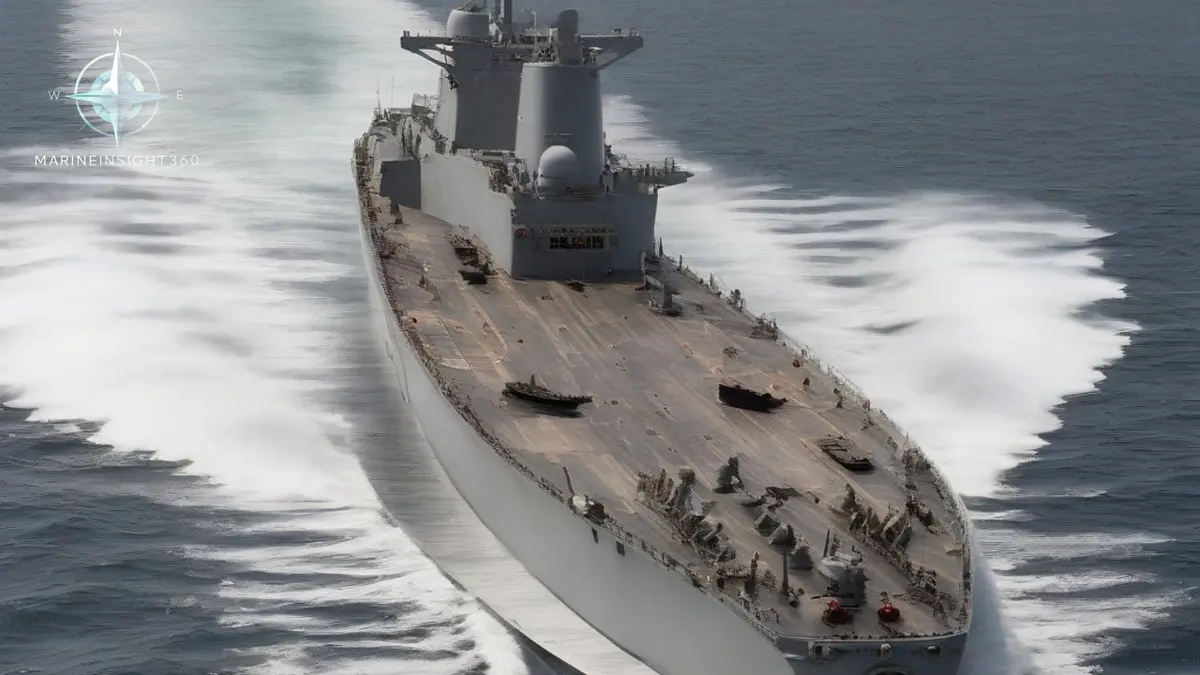
US forces clamp down on vessels attempting to breach the re‑imposed blockade of Iranian ports
The Iran blockade took effect on 10 April, when U.S. Central Command closed Iranian ports and deployed more than 15 warships to patrol the Gulf waterway that carries a large share of the world's oil. U.S. forces have since intercepted or redirected a growing number of commercial and military vessels, including six Iranian small boats and a series of cruise missiles and drones.
What the blockade means for shipping operators
The Gulf waterway is a critical artery for global energy supplies. A blockade can force ships to divert hundreds of miles, adding fuel costs, crew overtime, and potential delays at alternate ports. Shipping companies must weigh the risks of attempting to run the blockade against the operational costs of rerouting.
- Compliance is the safest route. The U.S. has already redirected two commercial vessels that tried to pass the blockade line. Ignoring the blockade can lead to interception, seizure of cargo, or damage to the vessel.
- Alternative routes may be viable. If a vessel can reach a non‑Iranian port within the same shipping lane, the risk of interception drops significantly. However, this requires careful planning to avoid congested chokepoints.
- Timing matters. The blockade was activated at 10 a.m. ET. Ships that depart earlier or later may find gaps in patrol coverage, but this is speculative and risky.
Operational impact on crews and shipboard safety
Intercepts are not limited to commercial vessels. U.S. forces destroyed six Iranian small boats and intercepted cruise missiles and drones fired from the region. Crew safety is a top concern: a missile strike or drone attack can damage critical systems, endanger lives, and halt operations.
When a vessel is redirected, crews must be prepared for sudden changes in itinerary, additional navigation checks, and potential inspections by U.S. authorities. Maintaining clear communication with the ship’s master and the company’s operations team is essential.
Common mistakes shipping companies make in a blockade scenario
- Underestimating the blockade’s reach. The U.S. blockade line covers all ships entering or leaving Iranian ports. Assuming a vessel can slip through without detection is risky.
- Ignoring intelligence updates. The U.S. has intercepted 23 vessels by 18 April and at least 26 by 20 April. These numbers show a growing enforcement intensity.
- Failing to coordinate with port authorities. Alternate ports may have their own restrictions or congestion. Early coordination can avoid costly delays.
Decision criteria for shipping lines and charterers
When faced with a blockade, operators should evaluate the following:
- Legal compliance. Verify whether the vessel’s flag state allows passage under the blockade’s terms.
- Risk assessment. Consider the likelihood of interception versus the cost of rerouting.
- Insurance implications. Some insurers may refuse coverage for voyages that attempt to breach a blockade.
- Cargo value and urgency. High‑value or time‑critical cargo may justify a higher risk tolerance, but operators must weigh this against potential loss.
What the U.S. blockade signals for the industry
The U.S. has shown it will enforce the blockade aggressively, using warships to intercept vessels and neutralise threats such as small boats and missile launches. Shipping companies must now factor this heightened enforcement into their route planning and risk management strategies.
For crews and officers, staying informed about the blockade’s status and maintaining rigorous navigation protocols will be key to avoiding interception and ensuring safe passage.
To learn more about how blockades affect maritime operations, visit Marine Insight 360’s Shipboard Operations section.
What has to be true before a blockade is lawful
A blockade is a belligerent measure under the law of armed conflict. It is not the same thing as a sanctions boarding or a peacetime interdiction, and the label the United States attaches to the operation decides what a warship may lawfully do to a neutral merchant ship.
The modern restatement of the rules is the San Remo Manual on International Law Applicable to Armed Conflicts at Sea, published by the International Institute of Humanitarian Law. Its conditions are easy to state and hard to meet.
- The blockade must be declared and notified, giving the date it starts, the area covered and the time neutral ships have to leave.
- It must be effective, and it must be applied impartially to the ships of every flag.
- It may not bar access to the ports and coasts of neutral states.
- It may not be used to starve the civilian population or to deny goods essential to survival.
Where those conditions hold, a neutral merchant ship reasonably believed to be breaching the blockade may be stopped, searched and captured. A ship that resists capture ends up in a far worse position than one that complies and argues afterwards.
Who pays for the diversion
The cost of avoiding the line is settled in contracts written long before any blockade. War risk cover is bought separately from hull and machinery cover, and it responds to areas rather than to events.
The Joint War Committee at the Lloyd's market publishes the waters it treats as carrying hull war and terrorism risk. Entering a listed area requires notice to the war risk underwriter and an additional premium, and that premium is quoted on the day rather than fixed at the start of the voyage.
BIMCO's war risks clauses do the rest. CONWARTIME for time charters and VOYWAR for voyage charters let owners refuse to send a ship into an area where it would be exposed, and they place the additional premium and any crew bonus on charterers.
Crew have their own protection. Agreements negotiated with the International Transport Workers' Federation designate warlike operations areas, double the basic wage inside them, raise death and disability cover, and give each seafarer the right to refuse to sail with repatriation at the company's cost.