Western Powers Were Unable to Secure Shipping in the Red Sea. Hormuz Will Be Harder
The global maritime industry is grappling with the profound implications of recent events in the Red Sea, where concerted efforts by Western powers have
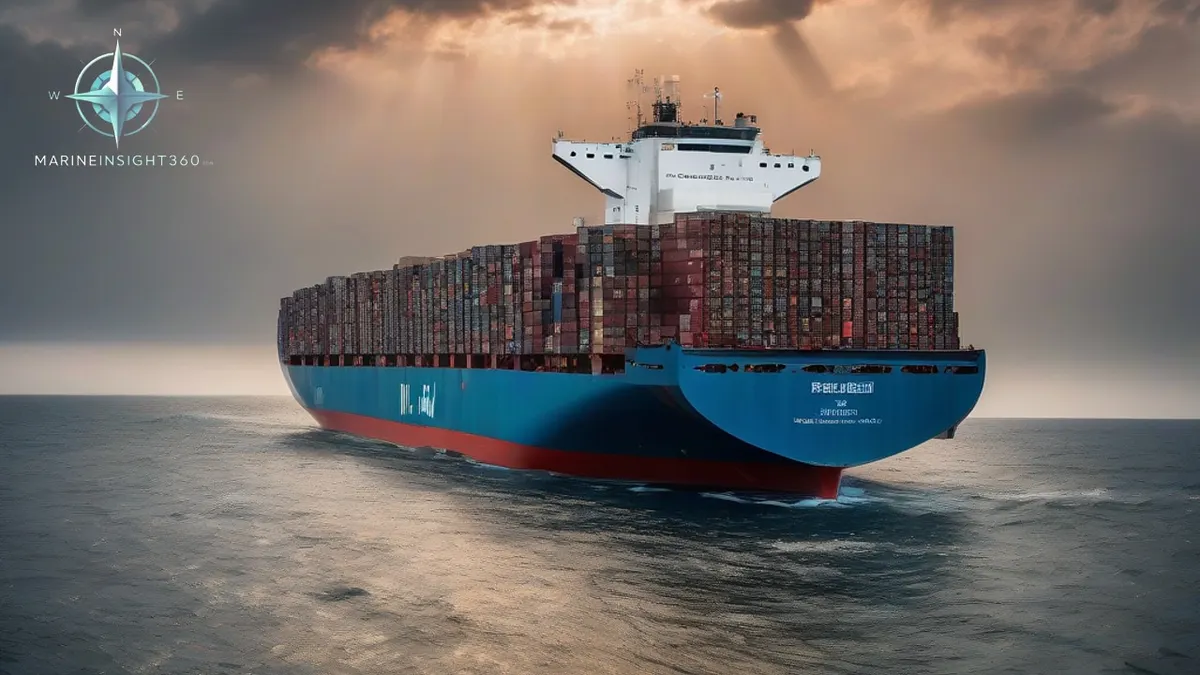
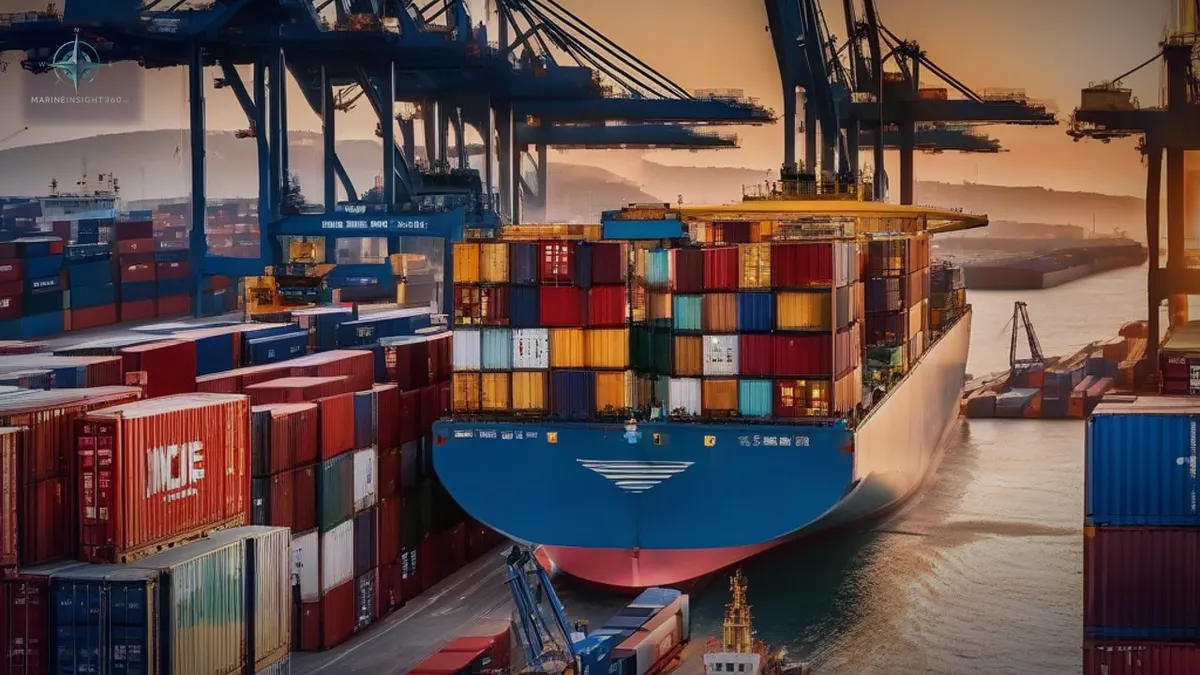
The global maritime industry is grappling with the profound implications of recent events in the Red Sea, where concerted efforts by Western powers have reportedly been unable to secure shipping lanes effectively. This critical waterway, vital for connecting the Suez Canal to global trade routes, has seen sustained disruptions impacting the movement of everything from container vessels to bulk carriers and tankers. The inability to fully guarantee safe passage through such a pivotal chokepoint raises significant concerns for seafarers, shipowners, and port operators worldwide, highlighting vulnerabilities in an interconnected global supply chain reliant on predictability and security.
Key facts about Western Powers Were Unable to Secure Shipping in the Red Sea....
The ramifications of this insecurity are far-reaching. Shipowners have faced difficult decisions, with many opting for the extended and more costly route around the Cape of Good Hope, adding weeks to voyage times and significantly increasing fuel consumption and operational expenditures. This cascade effect impacts global delivery schedules, complicates logistics for port operators, and places immense pressure on fleet management. Crucially, the safety and well-being of seafarers traversing these high-risk areas remain paramount, challenging established maritime security protocols under SOLAS and the ISPS Code designed to mitigate threats and ensure crew protection.
While the Red Sea situation presents substantial challenges, the focus is now increasingly shifting to the Strait of Hormuz, a chokepoint of even greater strategic importance for global energy markets. The assessment that securing Hormuz will be harder than the Red Sea situation carries a chilling implication for the industry. Geographically narrower and with a more complex geopolitical landscape, the Strait of Hormuz is the conduit for a significant portion of the world's crude oil and liquefied natural gas (LNG) supply, transited by very large crude carriers (VLCCs) and LNG tankers daily.
A disruption in the Strait of Hormuz would precipitate an immediate and severe shock to the global economy, far exceeding the current impact on general cargo and container shipping. For the maritime sector, this would mean unprecedented challenges to energy supply chains, massive spikes in insurance premiums, and potentially catastrophic delays and rerouting for the fleets that power industrial nations. The sheer volume and strategic value of trade passing through this strait underscore the magnified difficulty in ensuring its security, demanding a level of international cooperation and military presence that has proven elusive even in less critical waterways.
The persistent insecurity in these vital maritime chokepoints serves as a stark reminder of the fragile balance underpinning global trade. It compels the industry to re-evaluate risk management strategies, emergency response protocols, and the fundamental frameworks of international maritime law. For every stakeholder, from the engineers maintaining critical vessel systems on diverted routes to port authorities managing disrupted schedules, the imperative for enhanced resilience and collaborative security solutions has never been clearer.
This escalating instability in critical maritime chokepoints mandates an urgent, comprehensive reassessment of global maritime security strategies and operational resilience for the entire industry.
Next steps
Follow the latest maritime news for related updates and practical context.
What this means for high-value maritime markets
For readers in the United States, United Kingdom, Canada, Australia, Singapore and Europe, Western Powers Were Unable to Secure Shipping in the Red Sea. Hormuz Will Be Harder is useful when it is connected to local maritime regulation, port exposure, insurance, crewing, procurement or trade-route decisions. The exact impact can differ by regulator, flag state, port authority, employer and vessel type.
Use the market links below to connect the article with regional trade exposure, port activity, shipping jobs and commercial maritime demand.
Why this story matters
Western Powers Were Unable to Secure Shipping in the Red Sea. Hormuz Will Be Harder matters because shipping news rarely stays inside one lane. A single development can affect vessel operators, charterers, insurers, port teams, seafarers, equipment suppliers and regulators at the same time.
For readers in the United States, United Kingdom, Europe, Canada, Australia and Singapore, the value is in the practical signal behind the headline: what the development changes, what still needs confirmation and how it may affect decisions across safety, compliance, trade or fleet planning.