
Western Powers Were Unable to Secure Shipping in the Red Sea. Hormuz Will Be Harder
Western Powers Were Unable to Secure Shipping in the Red Sea. Hormuz Will Be Harder: ports, trade and shipping-market context for US, UK, Canada,...
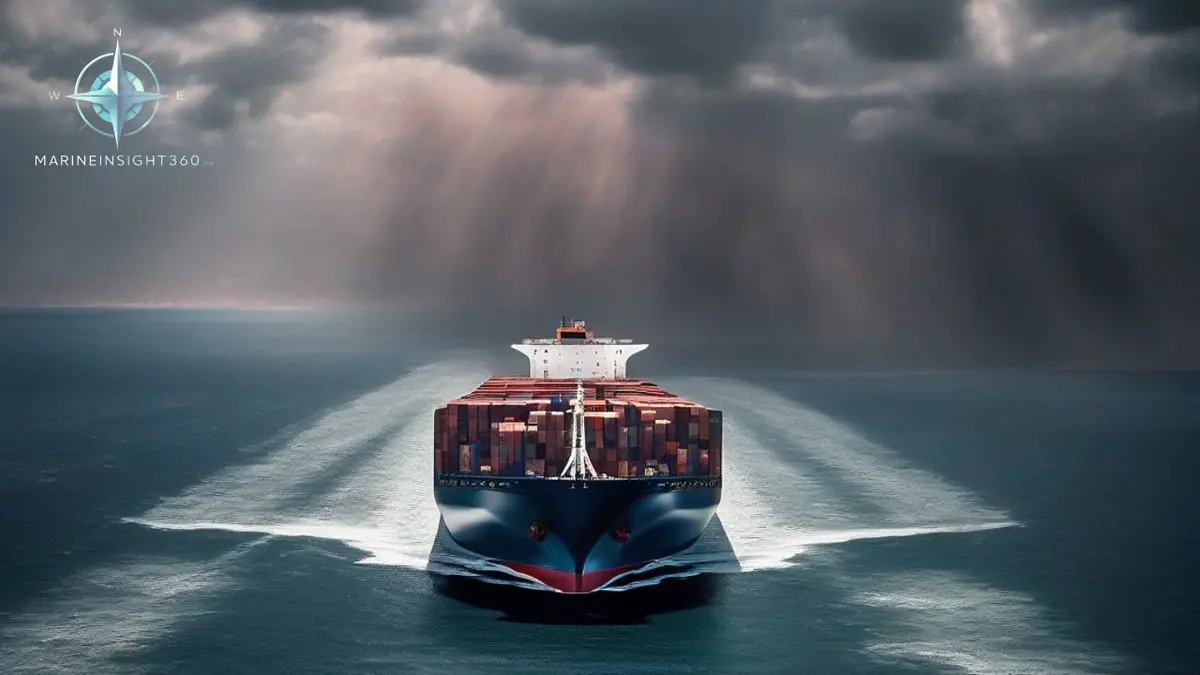
Western Powers’ Struggles in the Red Sea Highlight Greater Challenges at Hormuz
Western nations have failed to secure stable shipping in the Red Sea despite significant military and financial investments. This raises urgent concerns about the feasibility of protecting the Strait of Hormuz, a far more complex and high-stakes chokepoint critical to global energy trade. For seafarers, ship operators, and maritime professionals, understanding these challenges is key to planning risk mitigation strategies.
Why Red Sea Security Efforts Fell Short
The Red Sea conflict, driven by Iran-backed Houthi attacks on commercial vessels, has disrupted critical shipping routes. Despite multinational naval coalitions and billions in expenditures, persistent threats—such as asymmetric warfare tactics (e.g., drones, mines, and small-boat strikes)—have outpaced defensive measures. Analysts note that the Red Sea’s relatively open geography and lower vessel density made it easier for adversaries to target ships, while coordinated international responses struggled to match the speed and adaptability of these threats.
Strait of Hormuz: A More Complex Challenge
Securing the Strait of Hormuz, through which 20% of the world’s oil flows, demands overcoming three critical obstacles:
- Geographic Constraints: The strait’s narrowest point is just 34 km wide, with high-traffic density and limited maneuvering space. This increases collision risks and makes vessels more vulnerable to targeted attacks.
- Political Fragility: Proximity to Iran’s military infrastructure and regional tensions heighten the risk of direct conflict. Unlike the Red Sea, Hormuz’s security depends on delicate diplomacy between Iran, Gulf states, and global powers.
- Military Coordination: Retired Rear Admiral Mark emphasizes that Hormuz’s strategic importance requires a sustained, multinational naval presence—logistically and politically harder to achieve than ad hoc Red Sea patrols.
Implications for Maritime Operations
For seafarers and shipping companies, the failure to secure the Red Sea signals a shift toward prolonged uncertainty. Vessel operators must now factor in:
- Extended transit times and rerouting costs due to potential Hormuz disruptions.
- Increased insurance premiums and crew safety protocols for high-risk zones.
- Reliance on real-time intelligence to navigate evolving threats.
Analysts warn that even partial blockades at Hormuz could trigger energy price shocks, food shortages, and cascading supply chain failures. The Houthis’ Red Sea campaign has already demonstrated how regional instability can ripple into global markets.
What Ship Operators Can Do
While geopolitical outcomes remain uncertain, maritime professionals can adopt proactive measures:
- Collaborate with naval escorts and regional security alliances where available.
- Enhance onboard security systems, including anti-drone measures and crew training.
- Monitor updates from trusted sources like Marine Insight 360’s Knowledge Base and Shipboard Operations sections for route-specific guidance.
Why this matters
Western Powers matters because maritime decisions rarely sit in one department. A route story may affect insurance, crew planning and cargo timing. A machinery topic may affect maintenance, safety permits and spare-part planning. A career question may affect training, documents and joining readiness.
For readers in the United States, United Kingdom, Europe, Canada, Australia, Singapore and other mature maritime markets, the useful angle is practical: what changes, what remains uncertain, and which checks should happen before a decision is made.
Operational context
In daily maritime work, western powers should be compared with vessel type, flag requirements, company procedures, port expectations, cargo risk and crew competence. The same topic can look different on a container ship, bulk carrier, tanker, offshore vessel, training ship or shore-side logistics desk.
That is why this article avoids treating the subject as a standalone headline. It connects the issue with the checks that ship operators, insurers, charterers and route planners can use when reading a report, preparing for a voyage, reviewing a procedure or planning a career step.
Checks for readers
- Identify whether the topic affects safety, compliance, maintenance, navigation, cargo, careers or commercial planning.
- Confirm the latest company procedure, official notice, training requirement or port instruction before acting.
- Separate background context from instructions that require a qualified officer, engineer, surveyor or shore-side approval.
- Use related Marine Insight 360 pages to build a stronger topic cluster instead of reading one article in isolation.
Evidence and trust signals
A useful maritime article should show where the reader needs evidence, even when the page is an explainer rather than a breaking-news report. Look for dates, vessel context, source attribution, regulatory references, equipment details, route names, job requirements or operational constraints that can be verified.
When evidence is missing or the situation is changing, treat the article as a starting point. For safety-critical, legal, medical, immigration, training or commercial decisions, confirm the details through official channels and qualified professionals.
Next steps
For connected route-risk and trade coverage, continue with the maritime markets hub. Use the linked hub to compare the topic with related guidance before making operational, training or commercial decisions.
Market context for high-compliance maritime regions
For readers in the United States, United Kingdom, Canada, Australia, Singapore and Europe, Western Powers Were Unable to Secure Shipping in the Red Sea. Hormuz Will Be Harder should be compared with ports, cargo owners, ship managers, charterers, insurers and route-risk teams. The same maritime topic can have different practical meaning under USCG, MCA, Transport Canada, AMSA, MPA Singapore and European authority expectations.
Use the market links below to connect the article with regional trade exposure, port activity, shipping jobs and commercial maritime demand.


