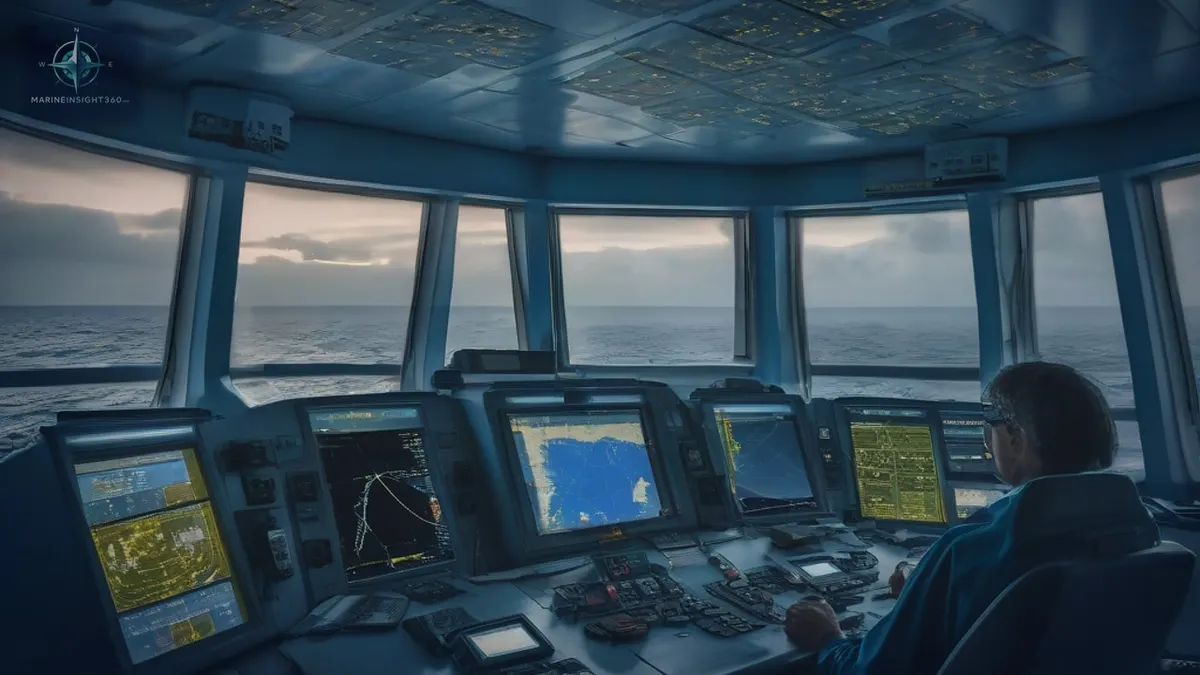
Why the IMO matters more than ever for shipping’s next 50 years
The International Maritime Organization plays a vital role in shaping the future of shipping.
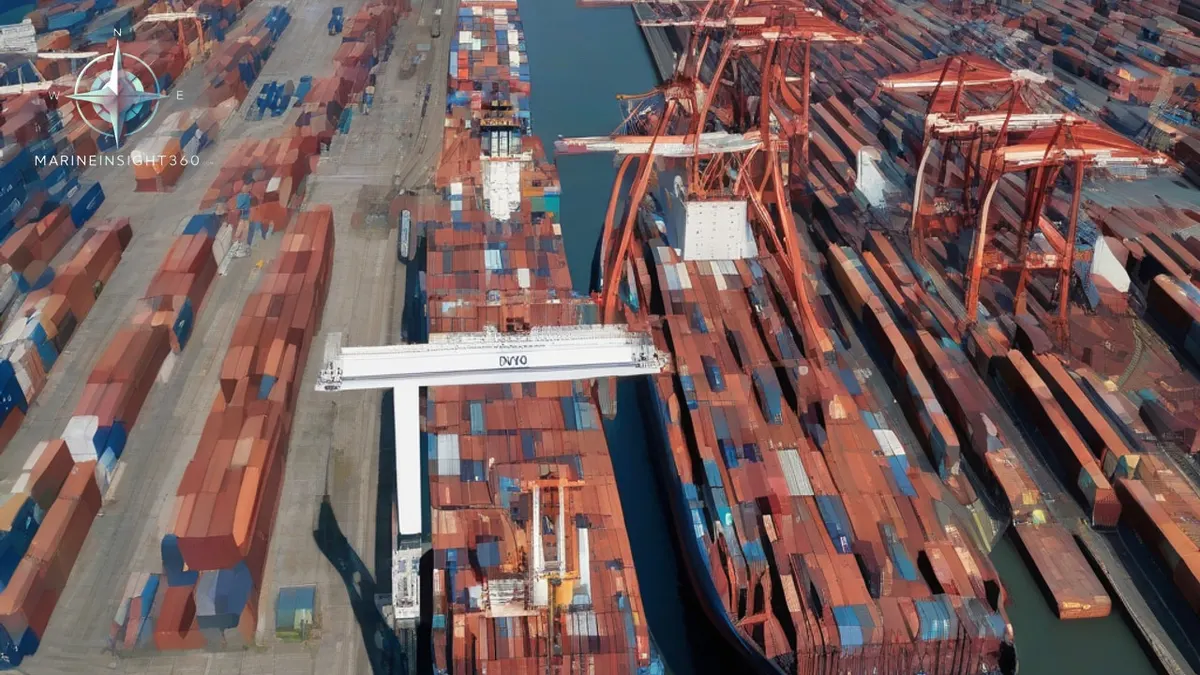
The IMO matters for shipping's next 50 years because its conventions, from SOLAS to coming emissions rules, are the framework for safety, security and environmental standards across the world fleet.
The International Maritime Organization plays a vital role in shaping the future of shipping. As the industry looks to the next 50 years, the IMO's influence will be felt across all aspects of maritime trade, from safety and security to environmental protection and trade routes.
Key facts about Why the IMO matters more than ever for shipping’s next 50 years
The IMO has already made major contributions to shipping, particularly in the areas of safety and security. The Safety of Life at Sea convention, known as SOLAS, has been instrumental in reducing the risk of accidents at sea. The IMO has also implemented measures to prevent piracy and armed robbery against ships, making trade routes safer for all vessels.
The IMO's role in environmental protection will become increasingly important as the industry looks to reduce its carbon footprint. With the introduction of new regulations and standards, the IMO will drive the development of more sustainable shipping practices. This will have a major impact on fleet types, with a greater emphasis on green technology and alternative fuels.
As the shipping industry continues to evolve, the IMO will need to adapt and respond to new challenges and opportunities. This will require close cooperation between the IMO, shipowners, and other industry stakeholders. By working together, the industry can ensure that the next 50 years of shipping are safe, sustainable, and successful.
The IMO's influence on the shipping industry will have a major impact on the sector's ability to meet the demands of a rapidly changing world, and this matters to the industry because it will determine the future of global trade and economic development.
Acting on it
The practical follow-through on a safety development is short: confirm, communicate, and reassess any cost, compliance or scheduling call it might change.
Why the big markets care
In the high-volume markets, the US, UK, Europe, Singapore, Canada and Australia, this safety story matters to the extent it moves freight, regulation, hiring or investment in those trades.
Why this counts
Why the IMO matters more than ever for shipping’s next 50 years is worth a pause because maritime stories compound: a single change touches owners, charterers, insurers, ports and crews, and the consequences outlast the news cycle.
Read it for the operational meaning, the decisions it affects and the facts still to be pinned down.
Operational context
On the ground, a safety story like this can shape voyage planning, budgets, charterer expectations and insurer terms. The real question is which teams have to respond.
It is also why sourcing matters: check the report against official notices, company statements and port or flag-state guidance before acting on it.
Points to track
- Official follow-up from agencies, flag states or classification societies.
- Any change to voyage planning or cost.
- Knock-on effects for charter rates, hiring or compliance checks.
- Whether the practical impact widens or turns out smaller than first reported.
For your desk
Keep this safety story in perspective — it is one data point in a moving picture. Connect it to your own exposure: the trades you run, the rules you sit under, the roles you are filling, and act only where it genuinely bears on them.