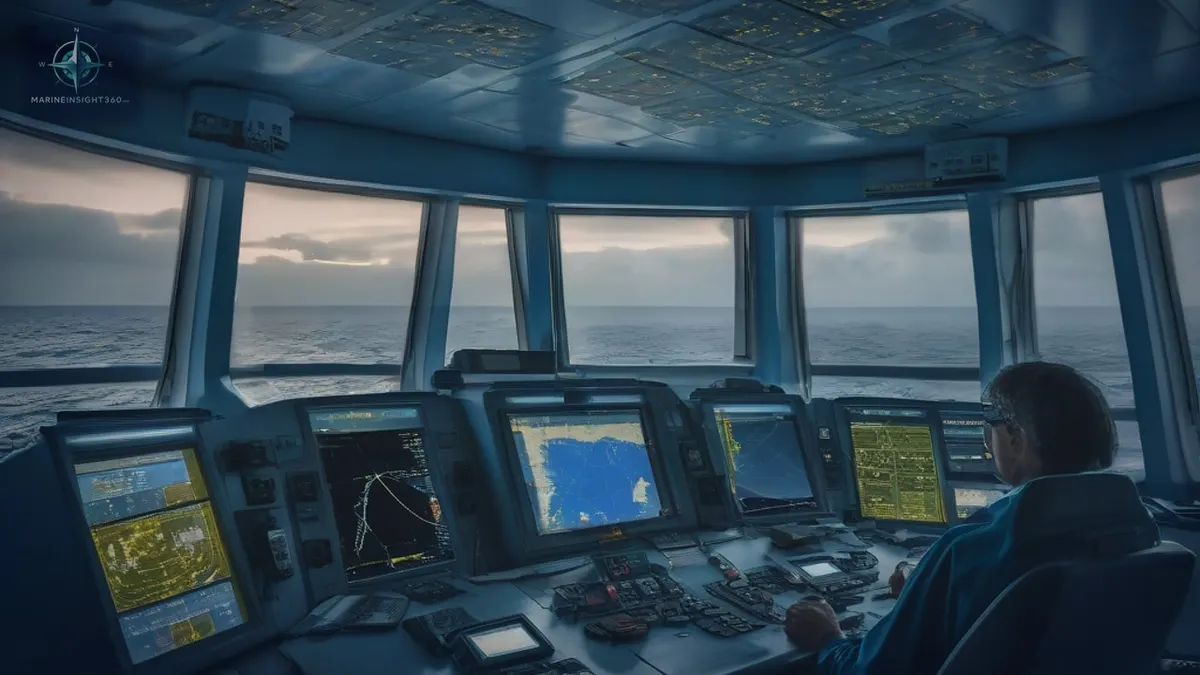
Yemen's Iran-backed Houthis threaten Israeli shipping in the Red Sea
Yemen's Iran-backed Houthis have threatened Israeli shipping in the Red Sea, renewing risk around the Bab-el-Mandeb strait.
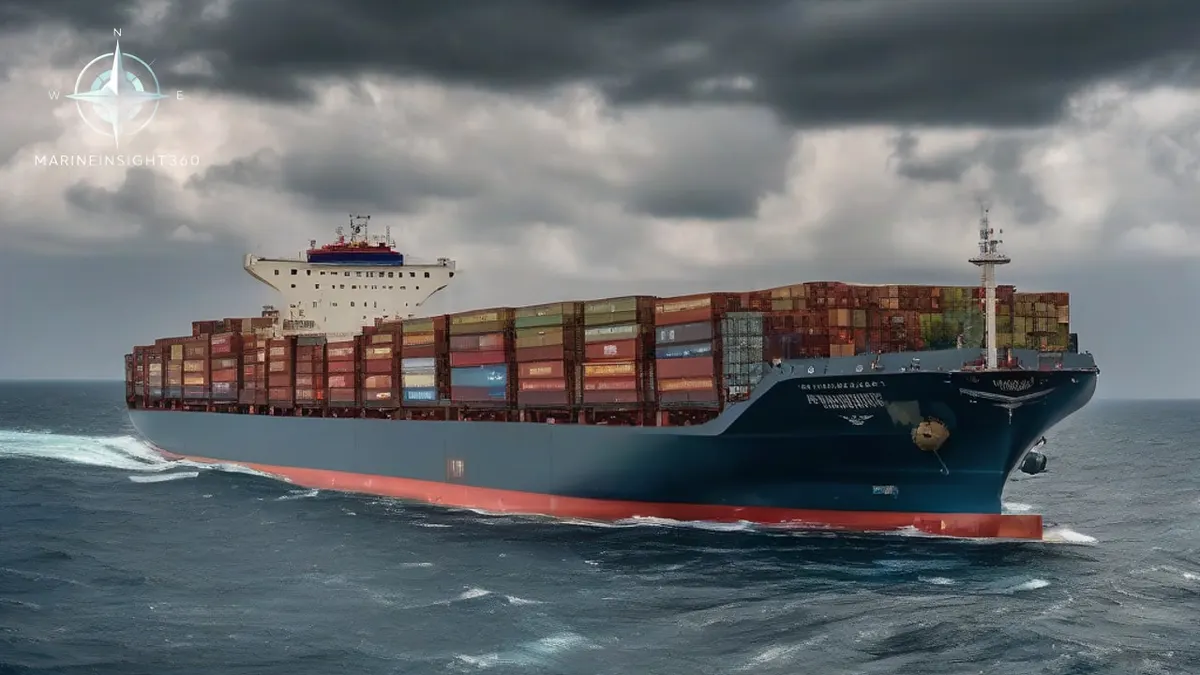
Yemen's Iran-backed Houthis have threatened Israeli shipping in the Red Sea, according to Reuters, and ships moving between the Red Sea and the Gulf of Aden must pass through the Bab-el-Mandeb strait to stay on the Suez route.
The threat
Yemen's Iran-backed Houthis have threatened Israeli shipping in the Red Sea, according to Reuters. The warning arrives amid rising regional tension and from a group with an established record of acting on such statements: Houthi forces have targeted ships in these waters before, using missiles and drones against commercial vessels.
The geography concentrates the risk. Traffic between the Red Sea and the Gulf of Aden funnels through the Bab-el-Mandeb strait, a narrow passage that ships cannot avoid without abandoning the Suez route entirely.
How targeting claims work in practice
Declared targeting of one nation's shipping has never stayed neatly contained in this waterway. Ownership, flag, management and cargo interests scatter across countries for almost every merchant vessel, and past campaigns showed ships with tenuous or mistaken links drawn into the target set. Insurers and security planners therefore read such threats broadly rather than literally.
The operational playbook is well worn by now: war-risk premiums adjust for the area, operators re-run routing decisions between Suez and the Cape of Good Hope, transits are timed and hardened, and naval reporting channels see heavier use.
The stakes beyond shipping
Every escalation in the Red Sea re-prices a meaningful slice of world trade. Diversions around Africa add days and fuel to Europe-Asia voyages, tighten effective fleet capacity and feed through to freight rates, while crews carry the personal risk of transits that continue regardless. Capacity absorbed by longer routings shows up in spot markets within weeks, which is why chartering desks watch these threats as closely as security officers do.
Crews deserve the clearest part of the response. Transits through threatened waters call for briefed emergency stations, hardened accommodation areas where guidance recommends them, and honest conversations about the voyage before it begins, backed by the elevated pay and refusal rights that collective agreements attach to designated high-risk areas. Ships keep sailing through this region because trade requires it; the people on board should never be the last to know why the routing changed.
For operators, the discipline is to treat each new threat as a trigger for reassessment rather than alarm: current advisories, insurance terms and charter-party war clauses, reviewed against the latest picture. The news desk tracks developments in the region as they are reported.
The wider stakes
Why give this safety story attention? Because in shipping a single event ripples outward, to owners, cargo interests, insurers, ports and crews, faster than the first report suggests.
What matters is separating the confirmed facts from the knock-on effects on cost, routing, compliance and hiring.
How it plays out in practice
The practical footprint of a safety story reaches schedules, insurance clauses, crew briefings and procurement. Knowing which desk owns the response is half the work.
And because reporting evolves, weigh it against authoritative sources, regulators, class societies and port authorities, before it drives a decision.
What comes next
- Follow-up notices from port, flag or class bodies.
- Effects on chartering decisions, crewing demand or compliance workload.
- Whether the story escalates beyond its first market.
- New detail that firms up or scales back the initial account.
What to watch
With this safety story, watch the follow-up, not the first report. Early announcements shift; what sticks is the detail that lands in regulation, contracts or budgets. Check back on the parts that would affect your own operation.