
10 Situations When a Ship’s Generator Must Be Stopped Immediately
10 Situations When a Ship’s Generator Must Be Stopped Immediately: safety, training and compliance context for US, UK, Canada, Australia, Singapore and...
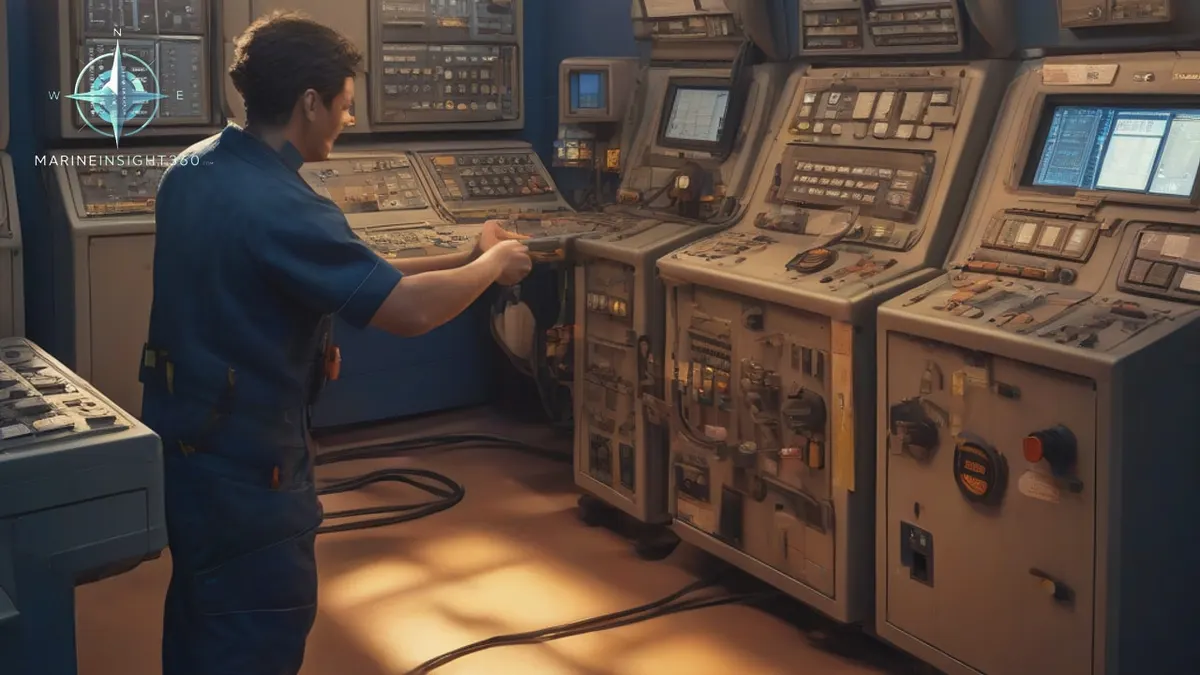
10 Situations to Stop a Ship Generator Immediately
A ship’s generator must be stopped immediately when oil pressure, jacket water temperature, speed, bearing temperature or cooling water flow leaves its safe band, or when fire, a fuel leak, a crankcase explosion or an electrical short is present.
When a generator runs beyond safe limits, the risk to crew, cargo, and the vessel rises sharply. Recognising the red‑flag conditions that demand an immediate shutdown is a core skill for every marine engineer.
1. Loss of Lubricating Oil Pressure
Oil pressure falling below the manufacturer’s minimum causes bearings to seize. The crankshaft can then be damaged, and the engine may overheat. A sudden drop in pressure is a clear sign to halt the generator before catastrophic failure.
What to look for: Low pressure gauge, oil mist detector alarm, abnormal knocking sounds.
2. Extremely High Jacket Water Temperature
Jacket water temperature that climbs above the design limit indicates cooling system failure, a blocked heat exchanger, or a malfunctioning pump. Running the engine under these conditions can cause cylinder damage.
What to look for: Temperature gauge reading above 120 °C, steam or smoke from cooling vents.
3. Overspeed Condition
If the generator speed exceeds its rated value, mechanical parts may fail and the risk of an explosion rises. While most units have automatic trip systems, a manual shutdown is sometimes required if the trip does not engage.
What to look for: Tachometer reading above 3600 rpm, audible whine.
4. Crankcase Explosion
Signs of a crankcase explosion include an oil mist detector alarm, smoke from the crankcase vents, or abnormal knocking. Immediate shutdown and inspection are mandatory to prevent fire or further damage.
What to look for: Sudden pressure spike, visible smoke, audible popping.
5. Electrical Short Circuit
Severe electrical faults can spark, produce a burning smell, or cause a circuit breaker to trip. Continuing operation can ignite a fire or damage critical equipment.
What to look for: Sparks near wiring, smell of burnt insulation, breaker failure.
6. Generator Bearing Overheating
Excessive bearing temperature leads to shaft misalignment, bearing seizure, and potential alternator failure. Stopping the generator immediately prevents permanent damage.
What to look for: Temperature gauge above 120 °C, vibration increase, audible whine.
7. Fuel Leakage or Fire Risk
Fuel leaking near hot surfaces such as the exhaust manifold or turbocharger can ignite. An immediate shutdown stops the fuel flow and reduces fire risk.
What to look for: Visible fuel puddles, smell of gasoline, smoke near hot components.
8. Abnormal Vibrations
Excessive vibration may signal misalignment, loose foundation bolts, or internal damage. Operating under vibration can accelerate mechanical failure.
What to look for: Vibration gauge reading above 2 g, audible rattling, uneven bearing noise.
9. Loss of Cooling Water Flow
When cooling water flow stops, engine components can heat rapidly and crack. Immediate shutdown is critical to avoid irreversible damage.
What to look for: Flow meter reading zero, temperature spike, audible water pump failure.
10. Fire in the Engine Room
In the event of an engine‑room fire, the generator must be shut down, the fire suppression system activated, and the fuel supply isolated. Continuing operation can feed the fire and spread heat.
What to look for: Visible flames, smoke, heat detector alarm.
Why Immediate Shutdown Matters
Generators operate under high pressure and temperature. Ignoring alarms can lead to major mechanical damage, costly repairs, power blackouts, and safety hazards. Marine engineers must assess alarms quickly and act decisively.
Practical Tips for Seafarers
- Keep gauges in view: Regularly check oil pressure, temperature, and speed gauges.
- Know the alarms: Familiarise yourself with the sound and visual cues of each fault.
- Maintain the cooling system: Inspect heat exchangers and pumps during routine checks.
- Document incidents: Record every shutdown event and the reason in the engine log.
- Train the crew: Conduct drills that simulate each emergency scenario.
Next Steps
Apply these guidelines during your next engine‑room inspection. For deeper insight into generator maintenance and troubleshooting, visit the Marine Insight 360 Marine Machinery section.
For a wider topic cluster, continue with the marine machinery knowledge base.
Recommended Reading
Freshwater Generator on Ships: How It Works, Types and Components
How a ship's freshwater generator turns seawater into drinking water: vacuum evaporation, main components, operating limits, and when reverse osmosis wins.
Maritime Cybersecurity in 2026: Why Every Ship and Port Must Prepare
Practical measures for ships and companies A robust maritime cybersecurity programme does not have to start with costly hardware.

PBBM: South China Sea must remain sea of peace, cooperation
Explore President Marcos Jr.'s call for peace and cooperation in the South China Sea and its impact on shipping.