
Maritime Cybersecurity in 2026: Why Every Ship and Port Must Prepare
Practical measures for ships and companies A robust maritime cybersecurity programme does not have to start with costly hardware.
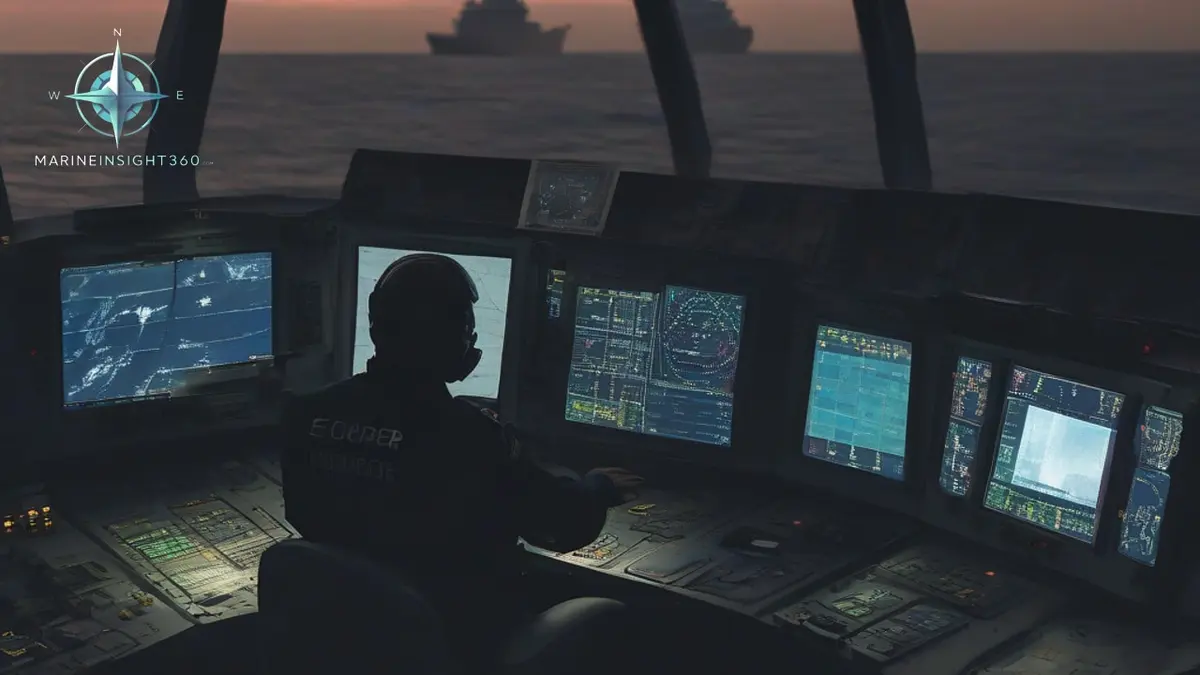
Is cyber risk now a safety issue for ships and ports?
Maritime cybersecurity is no longer an optional add‑on; it is a safety requirement for every vessel and terminal. A single phishing email or an unchanged default password can stop a voyage, delay cargo, or jeopardise crew safety. Understanding why the threat surface has widened helps operators decide where to invest first.
Which onboard and shore systems attract attackers?
Both information‑technology (IT) and operational‑technology (OT) environments are exposed. IT covers email, payroll, purchasing platforms, crew records and office networks. OT includes any system that monitors or controls physical equipment.
Typical shipboard OT assets that have been compromised in real incidents include:
- Electronic Chart Display and Information System (ECDIS) and GPS positioning
- Automatic Identification System (AIS)
- Cargo‑control software
- Engine‑monitoring and ballast‑management tools
- Power‑management and integrated bridge systems
- Remote machinery diagnostics
Interference with any of these can produce navigation errors, operational delays, cargo damage or loss of control over essential plant.
Ports rely on Maritime Single Windows and shared platforms to exchange data with customs, immigration and terminal operators. While these tools speed up clearance, they also store valuable operational, crew and cargo data. A breach can hold up arrival, clearance or departure for an entire supply chain.
Human factor: the first line of defence
Technology alone cannot stop every breach. Crew and shore staff must recognise suspicious emails, unusual login requests and unsafe devices. Training that is practical and scenario‑based works best.
Key topics for a cyber‑awareness programme:
- How phishing messages look
- Why shared passwords are risky
- How to report a suspected incident
- When USB devices may be used
- How remote vendor access should be controlled
- What to do if navigation or communication systems behave abnormally
Cyber drills should sit alongside fire and abandon‑ship drills. Crews need clear actions for loss of internet, unreliable navigation data or a locked critical system.
Practical steps to build a cost‑effective cybersecurity programme
Large capital outlays are not a prerequisite. Start with controls that deliver the biggest risk reduction.
Separate networks
Internet access for crew, office systems and critical operational equipment should run on distinct, firewalled networks. Mixing them creates a pathway for malware to move from a low‑risk device to a high‑risk control system.
Control access
Each user needs an individual account. Administrator rights must be limited, and former employees should be removed promptly. Role‑based access reduces the chance that a compromised credential can reach vital systems.
Patch and update management
Antivirus tools, operating‑system patches and firmware updates should be applied whenever technically feasible. Delays in updating are a common entry point for ransomware and other malware.
Supplier access governance
Remote access granted to equipment makers or service providers must be approved, time‑limited and monitored. A clear log of who accessed what and when helps trace the source of an incident.
Back‑up strategy
Regular backups, tested for integrity and stored offline or in a separate network segment, ensure that a ransomware attack does not cripple operations.
Offline alternatives
Ships should retain paper or stand‑alone procedures for safe navigation and machinery control when digital systems or shore connections fail. Crews must know how to switch to these backups without panic.
Embedding cyber risk into the Safety Management System (SMS)
Cyber risk should be treated as an operational safety issue. Companies need to identify critical systems, assess threats and assign clear responsibilities. The SMS must include procedures for prevention, detection, response and recovery.
Typical roles:
- Designated Person Ashore (DPA)
- Master
- Chief Engineer
- Electro‑technical Officer (ETO)
- IT department
These responsibilities must be documented before an emergency occurs. During an incident crew members should not be left guessing who isolates a network or contacts a service provider.
Decision criteria and common pitfalls
When choosing where to invest first , consider:
- Criticality of the system to safe navigation or propulsion
- Likelihood of exposure (e.g., internet‑connected vs isolated)
- Cost and time to implement segregation or patching
- Availability of qualified personnel to manage the control
Common mistakes include:
- Leaving default passwords on legacy equipment that is later linked to a new network
- Allowing crew to plug unapproved USB drives into bridge computers
- Merging business and operational networks without firewalls
- Granting perpetual remote access to vendors without audit logs
- Relying solely on automated tools and neglecting regular cyber drills
Addressing these errors early can save weeks of downtime and costly vessel repairs.
Why the industry cannot ignore maritime cybersecurity
Digitalisation is essential for efficient shipping, yet it cannot succeed without security. A weakness in one vessel, terminal, authority or service provider can cascade across the global network. Companies that combine secure technology, trained personnel, tested procedures and disciplined operations will be the most resilient.
For a step‑by‑step guide on building a maritime cybersecurity programme, visit the Marine Insight 360 Knowledge Base under “Maritime Cybersecurity”. For related equipment checks and troubleshooting guides, continue with the Marine Machinery Knowledge Base.
Recommended Reading
Marine Fire Safety: What the FSS Code Requires on Every Ship
How marine fire safety works under the FSS Code: fire mains and pumps, fixed gas and sprinkler systems, detection, escape gear and the drills that bind it all.
Ship Decks: Every Type, What It Does, and the Equipment It Carries
What ship decks are, from tank top to bridge: the main deck types, how they are numbered, and the windlasses, winches, cranes and hatches that work on them.
What Does SS Mean on a Ship? Steamship, and Every Other Prefix Explained
SS on a ship means steamship, a vessel driven by steam engines. What the prefix tells you, why modern ships use MV instead, and what RMS, HMS and USS mean.