
Argentina’s Pilots Resume Work After Government Suspends Deregulation Order
Pilots in Argentina are back on duty after the government halted a deregulation order. Learn the operational impact, decision criteria and next steps for crews
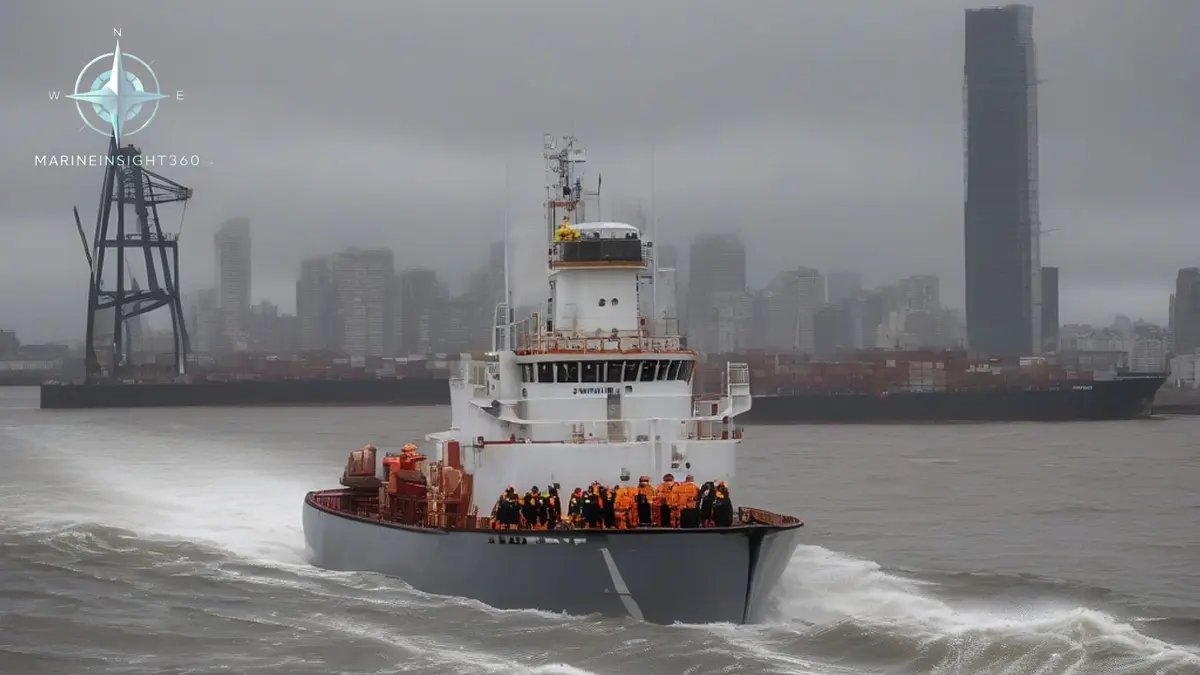
Government Suspends Deregulation Order is the focus of this article because it connects cadets, officers, ratings, recruiters and maritime students with the wider question behind Argentina’s Pilots Resume Work After Government Suspends Deregulation Order.
Argentina’s Pilots Return to Duty After Deregulation Order Halted
After the Argentine government halted its pilotage deregulation order, certified pilots returned to duty, and vessels calling Argentine ports must again secure pilotage services. The reinstated regime restores the 24‑hour booking rule, per‑tonnage fees, and mandatory pilot endorsement, ensuring the safety and regulatory compliance of all ships entering Argentine waters.
Why the Deregulation Order Was Suspended
The Ministry of Transport had issued a deregulation order earlier in the year to liberalise maritime services and cut costs for shippers. However, a combination of safety concerns, stakeholder backlash, international obligations, and legal challenges forced a swift reversal.
- Safety concerns: Industry bodies warned that removing mandatory pilotage could raise the risk of groundings in complex waterways such as the Río de la Plata.
- Stakeholder backlash: Pilot unions and port authorities formally objected, citing potential loss of revenue and job security.
- International obligations: Argentina is a signatory to the International Maritime Organization’s (IMO) guidelines on pilotage, which encourage mandatory pilot use in high‑risk areas.
- Legal challenges: A court injunction filed by the Argentine Pilots Association temporarily blocked the order pending review.
These pressures led the government to issue a suspension notice on an unspecified date, effectively reinstating the previous pilotage regime while a comprehensive impact study is conducted.
Operational Impact for Vessels Calling Argentine Ports
Shipmasters and cadets can expect the familiar scheduling, fees, and safety protocols that were in place before the brief deregulation attempt. The following points outline what crews should anticipate:
- Advance notice: Pilots must be requested at least 24 hours before arrival at Buenos Aires, Rosario, or any other major Argentine port.
- Fees: Standard pilotage charges, as published by the Argentine Port Authority, are once again applicable. These fees are typically calculated on a per‑tonnage basis.
- Scheduling: Pilots operate on a shift system; vessels may experience short waiting periods during peak traffic windows.
- Documentation: Master’s certificates of competency (e.g., USCG Merchant Mariner Credential, UK MCA Certificate of Competency) remain valid, but a pilot’s endorsement is now mandatory for navigation in restricted zones.
Operators should update voyage plans to reflect the reinstated pilotage requirement, especially if they had already adjusted schedules based on the deregulation order.
Decision Criteria for Ports and Shipping Companies
When evaluating whether to comply with the restored pilotage rules, consider the following criteria:
- Risk assessment: Identify high‑risk navigation areas (e.g., shallow drafts, strong currents) where pilot expertise dramatically reduces accident probability.
- Cost‑benefit analysis: Compare incremental pilotage fees against potential savings from avoided detentions, fines, or damage.
- Regulatory compliance: Verify that your vessel’s flag state recognises Argentine pilotage mandates; non‑compliance can lead to detention under Port State Control.
- Operational flexibility: Determine if your schedule can absorb possible pilot‑related delays without jeopardising cargo delivery windows.
Shipping lines that had begun to rely on the deregulated environment may need to renegotiate contracts with charterers to account for the restored cost structure.
Common Mistakes to Avoid When Pilotage Rules Change
Historical experience shows that abrupt regulatory shifts often trigger avoidable errors. Crews and operators should watch for these pitfalls:
- Assuming continuity: Do not assume that a temporary order remains in force; always verify the latest notice from the Argentine Port Authority.
- Skipping pilot briefings: Even experienced masters should conduct a formal hand‑over with the pilot to align on local traffic patterns.
- Neglecting documentation: Failure to retain pilotage invoices can complicate audits and insurance claims.
- Overlooking local regulations: Some Argentine ports have additional requirements, such as mandatory pilot‑on‑watch during night arrivals.
Training cadets on these nuances helps prevent costly operational disruptions.
Next Steps for Seafarers and Shipping Professionals
Stay current with official communications from the Argentine Ministry of Transport and the Port Authority of Buenos Aires. The Marine Insight 360 Knowledge Base offers a dedicated guide on “International Pilotage Requirements” that can be used to brief crews before entering Argentine waters.
- Update your vessel’s electronic chart system (ECS) with the latest pilotage zones.
- Confirm pilot availability with your local agent at least 48 hours before arrival.
- Review insurance policies to ensure coverage for pilot‑related incidents.
- Schedule a refresher briefing on pilotage procedures for junior officers and cadets.
By proactively adapting to the reinstated pilotage regime, operators can safeguard safety, maintain schedule reliability, and avoid regulatory penalties.
Why This Development Matters to the Global Shipping Community
The quick suspension of Argentina’s pilotage deregulation underscores how regulatory volatility can directly affect vessel routing, cost structures and safety standards. Vigilant compliance is essential for all maritime stakeholders to navigate such changes without compromising For related career routes, eligibility and rank guidance, continue with the merchant navy career hub.
Recommended Reading

Sonion Tanker 'Poses Environmental Risk' After Attack In Red Sea
Sonion Tanker 'Poses Environmental Risk' After Attack In Red Sea: safety, training and compliance context for US, UK, Canada, Australia, Singapore and...
U.S. Navy Destroyer USS Mason Joins Mediterranean Sea Operation After 7 Months in Red Sea
The USS Mason (DDG 87), the US Navy’s Arleigh Burke-class guided-missile destroyer. This is one of the leading ships of the American Navy. The ship has…
After Decades Of Arctic Sea Ice Getting Faster, Models Suggest A Dramatic Reversal Is Coming
Will ice floating in the Arctic Sea move faster or slower over the coming decades? The response will tell us whether marine transportation can be expected…