
Becoming a Seaman: Training Pathways
A step-by-step guide to the training pathways that lead to a Certificate of Competency (CoC) and a first sea contract.
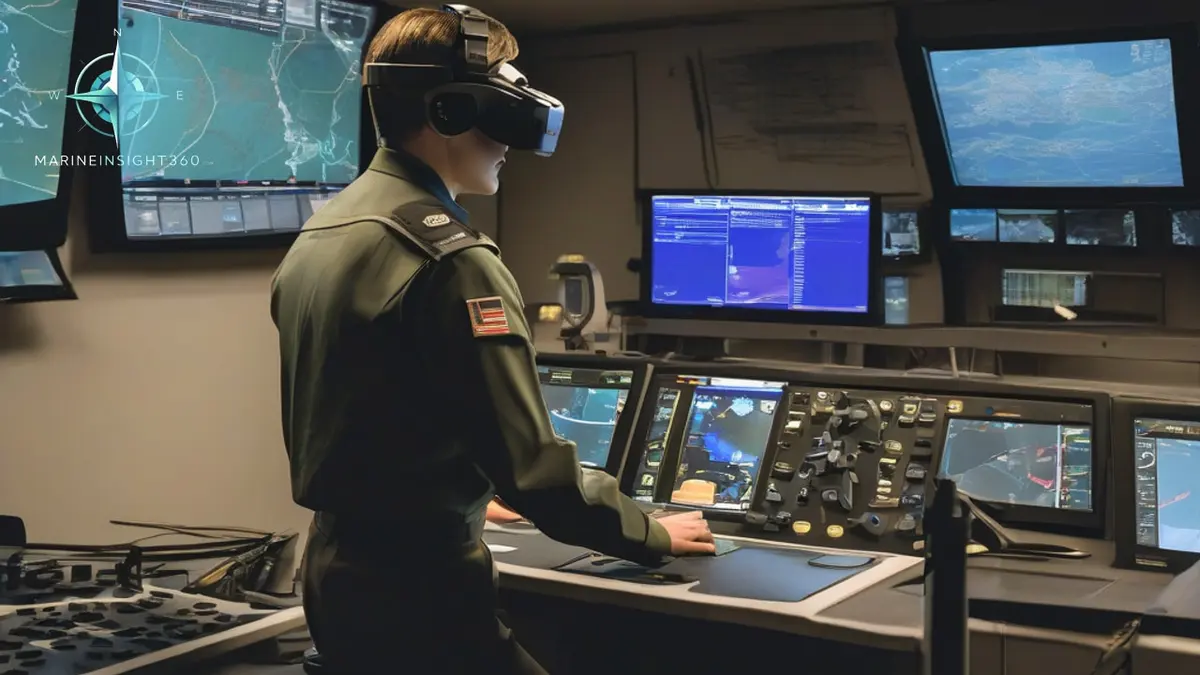
Training Pathways is the focus of this article because it connects cadets, officers, ratings, recruiters and maritime students with the wider question behind Becoming a Seaman: Training Pathways.
What Course Should I Take to Become a Seaman?
If you ask what course should i take to become a seaman, the answer depends on whether you want to start as a rating or an officer. The rating route requires only Basic Safety Training and a medical, while the officer route demands a maritime degree and a cadetship. Both paths lead to a Certificate of Competency (CoC) and a first sea contract, but the timelines, costs and responsibilities differ.
Choosing the Right Entry Path: Rating vs Officer
Rating Track – Fast‑Track to Deck or Engine
The rating route is designed for candidates with a high‑school diploma or equivalent. The only compulsory courses are the five‑day Basic Safety Training (BST) and a medical exam that meets STCW Regulation I/9. After securing a Seaman’s Book (Continuous Discharge Certificate), you can sign an ordinary‑seaman (OS) or general‑purpose (GP) rating contract.
- Initial qualifications: BST, valid medical, CDC.
- First certification: Rating‑of‑Force‑Protection‑Navy‑Watch (RFPNW) or Rating‑of‑Force‑Protection‑Engine‑Watch (RFPEW) after 12 months sea‑time.
- Progression: RFPNW/RFPEW → Able Seafarer Deck (AB) or Able Seafarer Engine (AE) after an additional 6‑12 months (total 18‑24 months).
- Typical timeline: 2-4 years to reach Able Seafarer, depending on contract availability and flag‑state requirements.
Officer‑Cadet Track – Degree‑Level Preparation for Watch‑Standing
Prospective officers enrol in a maritime academy or a college‑based cadetship that awards a Bachelor of Science in Maritime Transport (BSMT), B.Sc. Nautical Science, or an equivalent engineering degree. The curriculum blends classroom theory, simulator work and on‑board training.
- Academic entry: Recognised maritime degree (e.g., BSMT, B.Sc. Nautical Science).
- Core sea‑time: Minimum 12 months supervised aboard a training vessel before you can sit the Officer of the Watch (OOW) or Engine Officer of the Watch (EOOW) exam; some flags allow up to 36 months.
- Certification path: Cadet → OOW/EOOW after passing national examinations and meeting STCW competency standards.
- Typical timeline: 3-5 years from cadet enrolment to first watch‑standing officer contract.
Core Mandatory Modules for All Seafarers
Basic Safety Training (BST) and Medical Fitness
STCW mandates a five‑day BST covering Personal Survival Techniques (PST), Fire Prevention and Fire Fighting (FPFF), Elementary First Aid (EFA) and Personal Safety and Social Responsibility (PSSR). A seafarer medical certificate complying with STCW Reg. I/9 is required and must be renewed every two years for most ratings.
Seaman’s Book / Continuous Discharge Certificate
The Seaman’s Book, also known as the Continuous Discharge Certificate (CDC), is the official identity document issued by the flag state. It must be held by every seafarer and is required for contract signing.
Sea‑Time Milestones and Certification Progression
Rating Sea‑Time Requirements
Ratings must complete:
- 12 months for RFPNW/RFPEW.
- 18 months for Able Seafarer Deck or Engine.
After achieving Able Seafarer status, crews may pursue specialist courses such as advanced firefighting or GMDSS to qualify for higher ratings or officer positions.
Cadet Sea‑Time and Officer Exams
Cadets need a minimum of 12 months supervised sea‑time before sitting the OOW/EOOW exam. Some jurisdictions extend this to 36 months to ensure full competency. Passing the exam and meeting STCW standards grants the officer’s Certificate of Competency.
Country‑Specific Variations and How to Align Your Study
Examples from the Philippines, India, United Kingdom, Norway
- Philippines: Bachelor of Science in Marine Transportation (BSMT) or Bachelor of Science in Marine Engineering (BSMarE) followed by a one‑year cadetship; rating entry via the Maritime Career Course.
- India: B.Sc. Nautical Science or B.Tech. Marine Engineering; pre‑sea General‑Purpose rating course for those entering directly as ratings.
- United Kingdom: Phase 1 college (theory), 12 months sea‑time, Phase 2 college (advanced theory), then Maritime and Coastguard Agency (MCA) examinations for the Certificate of Competency.
- Norway: Nautical or marine‑engineering programmes at institutions such as HVL or NTNU, combined with supervised sea‑time to meet the Norwegian Maritime Authority’s standards.
Upgrading from Rating to Officer – Is It Possible?
Many seafarers start on the rating track and later decide to pursue an officer’s career. STCW provisions allow a rating to upgrade by completing additional academic courses, accumulating the required sea‑time and passing the relevant officer examinations. The exact process and cost differ by flag state, but the pathway is recognised internationally, giving you flexibility to change direction without restarting from scratch.
Next Steps: Mapping Your Personal Circumstances
Use this guide to match your background, budget and career goals to the appropriate training route. For detailed programme listings, scholarship information and application deadlines, visit the Marine Insight 360 Knowledge Base – Seafarer Training section. There you’ll find country‑specific contacts, tuition cost breakdowns and links to official maritime authority portals.
For related career routes, eligibility and rank guidance, continue with the merchant navy career hub.
Recommended Reading
Russia to Provide Arctic Navigation Training to Chinese Seafarers
Russia will provide Arctic navigation training to Chinese seafarers, offering crews essential skills for safe polar operations. Learn why this matters for globa
Why Predictive Maintenance Is Becoming the Future of Ship Management
Discover how predictive maintenance is helping shipowners reduce breakdowns, improve safety, lower maintenance costs, and increase vessel reliability.
Why Predictive Maintenance Is Becoming the Most Important Technology in Modern Shipping
Why Predictive Maintenance Is Becoming the Most Important Technology in Modern Shipping: ports, trade and shipping-market context for US, UK, Canada,...